

Got a washing machine that’s making odd noises, leaking, or just won’t spin? Before you rush to the store, take a minute to figure out if a repair will do the job or if you should be looking at a brand‑new washer. The answer isn’t always obvious, but a few simple checks can save you time, stress, and cash.
First, think about the age of the machine. Most UK washers last about 10‑12 years with regular care. If yours is older than that, parts start to wear out faster and new breakdowns become common. Look for recurring issues – a leak that comes back after each fix, a motor that overheats, or a drum that won’t turn at all. When the same problem keeps popping up, the repair bill can add up quickly.
Check the cost of the part you need. Replacing a cheap belt or a pump usually means a low price, but a new motor, control board, or drum can run a few hundred pounds. If the part costs more than half the price of a decent mid‑range washer, it’s a strong hint that replacement is smarter.
Get a solid quote from a local repair service. In Bognor Regis, a typical repair for a minor fault is around £70‑£120. Major repairs can climb to £250‑£400. Compare that with the cost of a new washer, which starts at about £350 for a basic model and goes up to £800 for high‑efficiency options. If the repair estimate is close to or exceeds the price of a new, energy‑saving model, buying new gives you a warranty and lower running costs.
Don’t forget energy efficiency. New washers use less water and electricity, which lowers your bills over time. A modern machine can save up to 30% on energy use compared to a ten‑year‑old unit. That saving can offset the higher upfront price within a few years.
Another factor is downtime. A repair might take a day or two, but if the part isn’t in stock you could be without a washer for a week. Buying new means you have a working machine right away, and most retailers offer quick delivery.
So, what’s the quick rule of thumb? If the washer is under 8 years old, the repair cost is under £150, and the problem is isolated, go ahead and fix it. If it’s older than 10 years, the repair bill is more than half the price of a new machine, or you’ve faced multiple breakdowns, start looking at replacement options.Bottom line: a short check of age, part cost, and energy savings will tell you whether you should call a repair tech or head to the showroom. Either way, you’ll avoid wasteful spending and keep your laundry routine running smoothly.
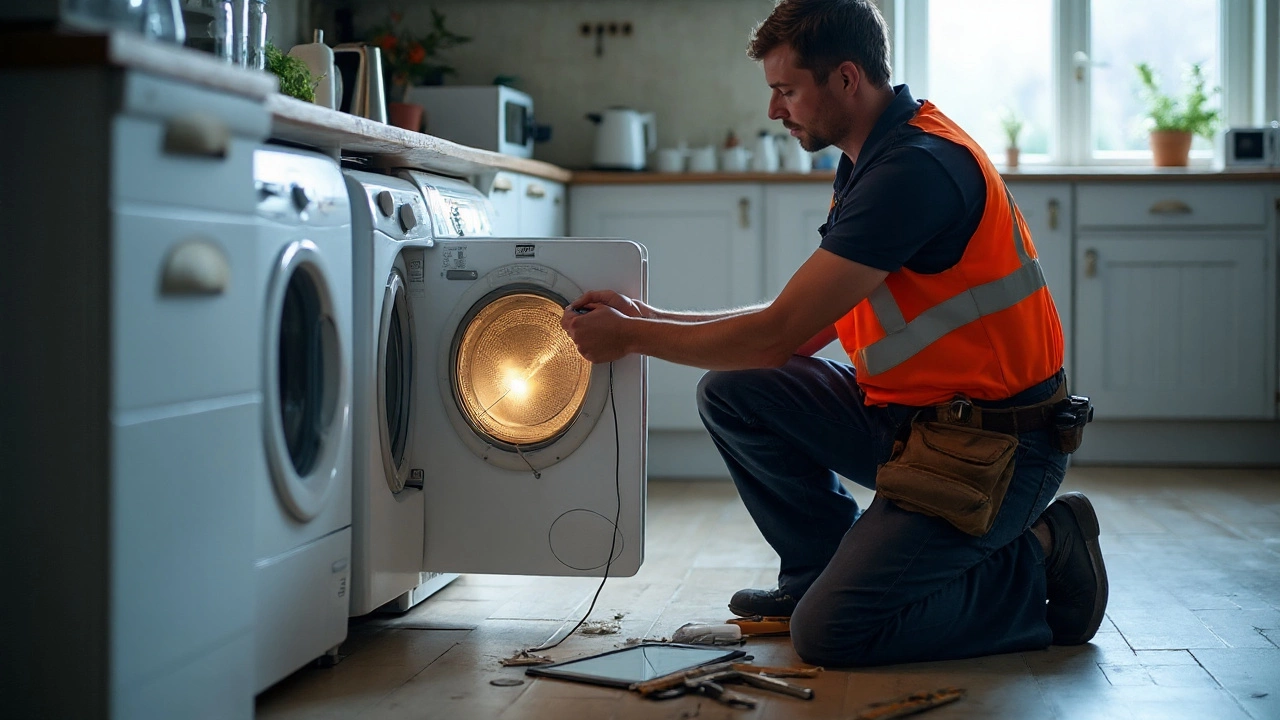
Front-load tub/drum assemblies and top-load transmissions are usually the priciest washer repairs. See real costs, how to diagnose, and when to fix or replace.
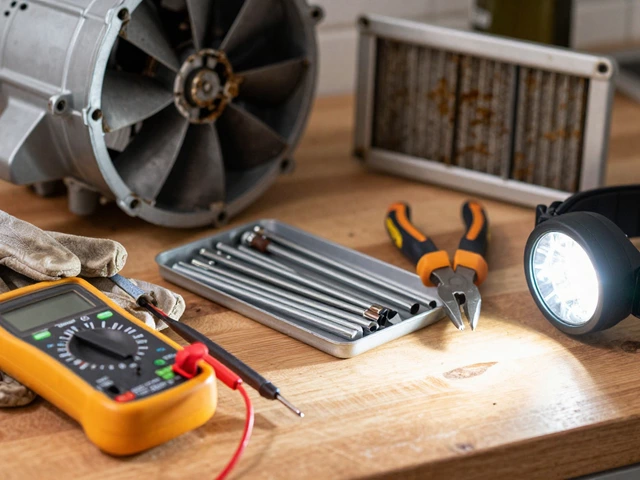
Learn how to replace a kitchen extractor fan motor safely. This step-by-step guide covers diagnosis, tool preparation, removal, and installation tips for DIY enthusiasts.
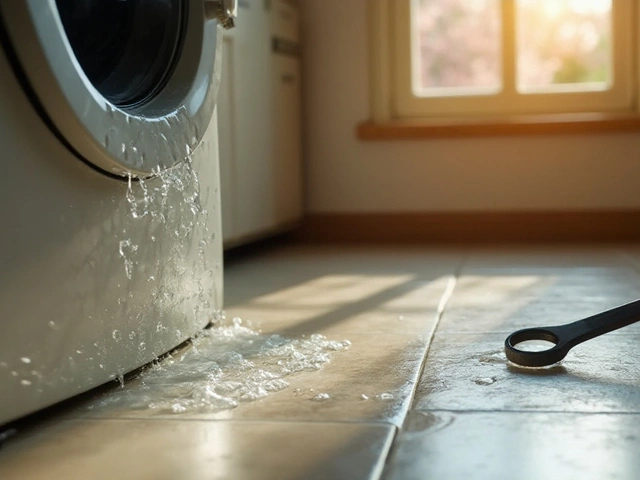
Washing machines are among the most used household appliances, making them prone to various problems over time. This article explores the most frequent issues like leaks, drainage problems, and strange noises. Understanding these problems can help in diagnosing issues quickly and considering effective repairs. The article also offers helpful tips to maintain your machine and keep it running efficiently for years. Simple maintenance steps can prevent most common problems from occurring.
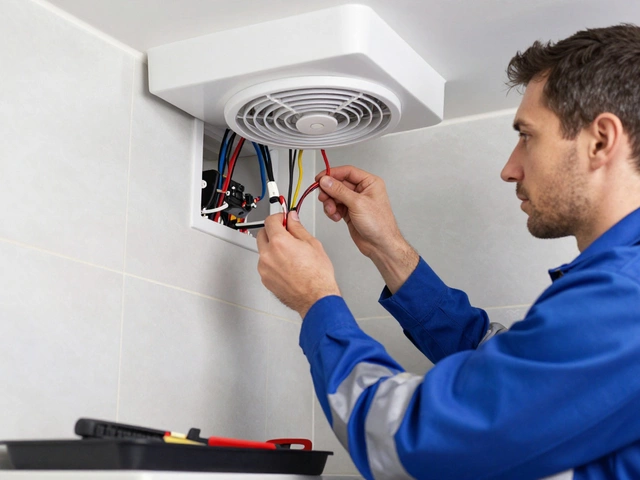
Discover which tradesperson fits an extractor fan. Learn when to hire an electrician vs. a plumber for safe, compliant UK installations.

A practical guide for diagnosing common refrigerator problems, spotting signs of faults, and fixing them at home with tips and real-world facts.

This article breaks down what 'appliance for a job' really means in the appliance service world. It explains common misunderstandings and clarifies whether it refers to equipment or applying for work. The piece gives real-world examples, explores the hiring process for technicians, and shares tips for both customers and job seekers. Straightforward info keeps things practical and easy to follow. If you've ever scratched your head at this phrase, you'll finally get the answer here.