

If a washing machine stops spinning or a fridge stops cooling, the first thing most of us wonder is the price tag. Knowing the average cost before you call a technician can stop surprise invoices and help you decide whether to fix or replace.
In the UK, repair prices vary by appliance type, fault severity, and whether you need a specialist. For a typical electric oven that won’t heat, you’re usually looking at £80‑£150 for a new heating element and labour. A faulty hob element often falls in the £70‑£130 range. Those numbers include a standard service call, so you won’t be hit with hidden fees.
Washing machines are a bit pricier to service because they involve both electrical and mechanical components. A common pump replacement costs roughly £120‑£180, while a drum bearing issue can run £200‑£300. If your machine is over ten years old, compare the repair quote with the price of a new, energy‑efficient model – you might save more in the long run.
Heat pumps have become popular, but they’re not cheap to fix. A failed fan motor typically costs £150‑£250, and a compressor issue can push the bill past £500. Because heat pumps are a major part of your heating bill, it’s worth getting a clear diagnosis before you commit.
Boiler repair is another big spender. A simple pressure valve replacement is about £80‑£130, while a heat exchanger failure often exceeds £600. Annual boiler servicing usually runs £80‑£120 and can catch problems early, saving you a hefty repair later.
Below is a quick snapshot of what most homeowners see on their invoices:
Refrigerator: Compressor failure £200‑£400, thermostat £70‑£120.
Dishwasher: Pump or motor £100‑£180, spray arm blockage £50‑£80.
Extractor fan: Fan motor £80‑£130, full unit replacement £150‑£250.
Water heater: Ignition control £100‑£150, element replacement £120‑£180.
These figures are averages from local tradespeople in the Bognor Regis area. Prices can shift based on brand, age, and warranty status, so always ask for a detailed quote.
When the quote lands on your desk, ask yourself three quick questions. First, how old is the appliance? If it’s more than 8‑10 years and the repair is over half the cost of a new unit, replacement is usually smarter.
Second, how efficient is the old model? Modern appliances use less energy, so even a higher upfront cost can pay off in lower bills.
Third, how reliable has the item been? A history of frequent breakdowns suggests it’s time for a fresh start.
Don’t forget to factor in any warranties or service plans. Some manufacturers cover parts for two years, which can shave a lot off the bill.
Finally, get a second opinion if the price feels high. A reputable local engineer will gladly provide a written breakdown and may even suggest a cheaper fix you hadn’t considered.
Keeping repair costs transparent helps you stay in control of your household budget. By knowing typical price ranges, asking the right questions, and weighing repair against replacement, you’ll make smarter decisions and avoid nasty surprises.

Wondering if it's safe to send your laptop for repair? Learn how to protect your data, choose the right shop, and avoid warranty pitfalls with this practical guide.

Thinking about fixing your 7 year old refrigerator? This article breaks down the real costs, reliability, and what you should watch for before you pay for repairs. You’ll find clear tips on when it’s smarter to repair or replace, how much you’ll likely spend, and some key things most people forget to check. Get the real scoop from an expert so you don’t waste time or money.

Thinking about whether to repair an 8-year-old oven? This article digs into the real costs and benefits, from repair bills to how long ovens actually last. You'll get tips on diagnosing simple issues yourself, signs to look for before calling a pro, and how energy efficiency compares between old and new models. See how warranties, brand reputation, and parts availability impact the final call. Get advice that’s practical, straight-up, and doesn’t waste your time.

Trying to figure out if you should repair your electric stove or just buy a new one? This article breaks down the real costs, common repairs, and the value of fixing versus replacing. Find out what issues are usually fixable, what repairs make sense, and when to let go. You'll also get practical tips for simple DIY fixes and signs you need a pro. Make a smart choice for your kitchen and your wallet.

Wondering if fixing your tumble dryer makes sense? This article dives into crucial considerations like repair costs, common issues, and when to replace. Avoid costly mistakes by learning signs that scream 'repair!' or 'replace!' Smart tips help you make the right decision for your dryer woes.

Repairing a glass hob is an essential task for maintaining a functional and modern kitchen. The cost of fixing a glass hob can vary greatly depending on the damage's severity and the required repair type. This article delves into the various factors influencing repair costs, from crack treatment to replacement solutions. It also provides tips for maintenance to prolong the lifespan of your hob and prevent future damage.

Exploring the value of repairing a freezer involves assessing various factors, such as the cost of repairs, the appliance's age, and the efficiency improvements of newer models. Understanding common freezer problems can help homeowners decide whether a repair is worthwhile. The decision should account for both economic and environmental perspectives, guiding when to repair or replace.

Deciding whether to repair or replace a laptop can be challenging. This guide explores the costs, benefits, and considerations involved in repairing a laptop. Learn when it's worth diving into a repair and when it's best to shop for a new device, along with tips on DIY repairs and choosing a reliable repair service.

Deciding whether to fix or replace your oven in 2025? Learn real repair costs, when replacement saves money, safety risks of old ovens, and how to make the smart choice without overpaying.

Frustrated by cold water instead of a hot shower? This guide breaks down the most common reasons your hot water is running cold, with simple fixes anyone can try at home.
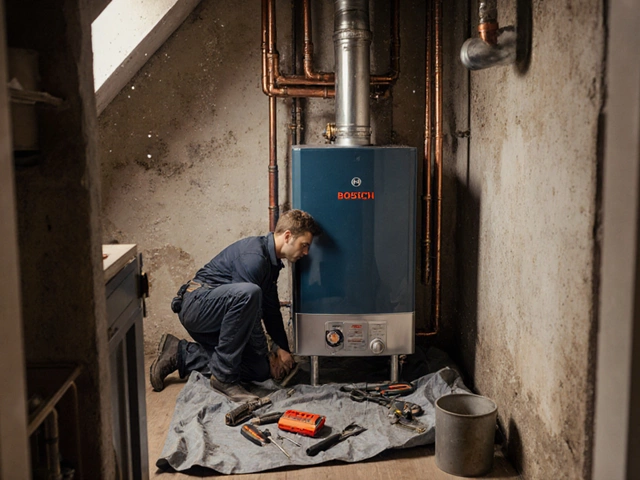
Replacing a boiler costs thousands because it's not just the unit-it's labour, safety checks, pipe upgrades, and compliance. Learn why this big investment is necessary and how to avoid overpaying.
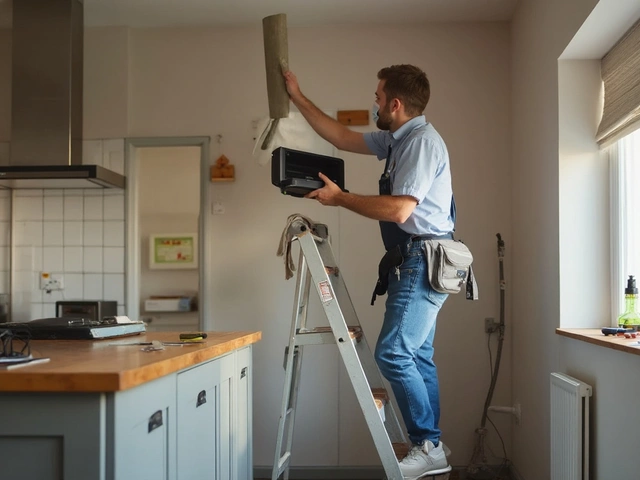
Wondering if you can swap out an extractor fan without calling in a pro? This article breaks down what it really takes to replace an extractor fan yourself, from the easy steps to watch-outs that could trip you up. Learn which tools you’ll need, how to stay safe with electricity, and where to draw the line and call an expert. Get helpful tips and facts straight from a practical perspective. Perfect for anyone ready to tackle a home repair without risking their safety or their ceiling.

Most extractor fans can be repaired with simple fixes like cleaning, capacitor replacement, or tightening parts. Learn when DIY works and when to call a pro to avoid costly damage from damp and mold.