

Ever gotten a nasty quote and wondered if it’s fair? You’re not alone. Most homeowners face surprise repair bills for a broken cooker, a noisy washing machine, or a fridge that won’t cool. Below we break down what you can expect to pay for the most common appliances, the factors that push the price up or down, and quick ways to keep costs in check.
Cooker or oven: A simple heating element replacement usually runs between £80‑£150, including parts and labour. If the control board or gas valve is faulty, you can be looking at £200‑£350. For older models, the price may climb because parts are scarce.
Washing machine: Minor issues like a broken pump or faulty door latch cost about £70‑£130. Major faults such as motor or drum problems often hit the £150‑£250 mark. If the machine is more than 10‑12 years old, many experts suggest comparing repair cost with the price of a new unit.
Refrigerator: A defrost timer or thermostat issue can be fixed for £80‑£120. Compressor failures are pricey – typically £250‑£400 because the part itself is expensive.
Dishwasher: Replacing a spray arm or pump is usually £90‑£150. Full‑scale power‑board problems can push the bill to £200‑£300.
Boiler or heat pump: Boiler service is around £80‑£120, but a broken heat exchanger or pump can cost £300‑£500. Heat pumps have similar ranges; a faulty fan motor or refrigerant leak often lands in the £250‑£400 bracket.
Most repair quotes boil down to three things: parts, labour, and how hard it is to get to the problem. Older appliances need more time to diagnose, and rare parts add a premium. If a job requires a certified Gas Safe engineer (like most boiler work), the hourly rate is higher than a standard electrician’s rate.
Geography matters too. Technicians in coastal towns like Bognor Regis may charge a little extra for travel, but many local firms offer flat‑rate trips to keep it transparent.
A good rule of thumb is the 50‑percent test: if the repair cost is more than half the price of a new appliance, it’s usually worth replacing. For a £500 fridge, a £300 repair isn’t a great deal. Conversely, a £100 fix on a £1,000 washing machine is a no‑brainer.
Age, energy efficiency, and warranty status also play a role. A 2‑year‑old fridge with a valid warranty can be fixed for free, while a 15‑year‑old boiler might be better off swapped for a modern, more efficient model that saves on bills.
Regular maintenance: A quick 10‑minute clean of your fridge coils or a bi‑annual boiler service can stop big breakdowns later.
DIY basics: Replacing a dishwasher filter or cleaning a washing machine door seal costs nothing and often solves the issue.
Get multiple quotes: Even in a small town, a quick call to two local firms can reveal a price gap of £30‑£50.
Ask for part‑only pricing: If you’re handy, you can buy the part yourself and only pay for labour, cutting the total bill by up to 30 percent.
At the end of the day, knowing typical repair costs gives you leverage. You’ll spot inflated quotes, decide when a replacement makes sense, and avoid surprise expenses. Keep this guide handy, and next time your appliance throws a tantrum, you’ll know exactly what to expect and how to save.
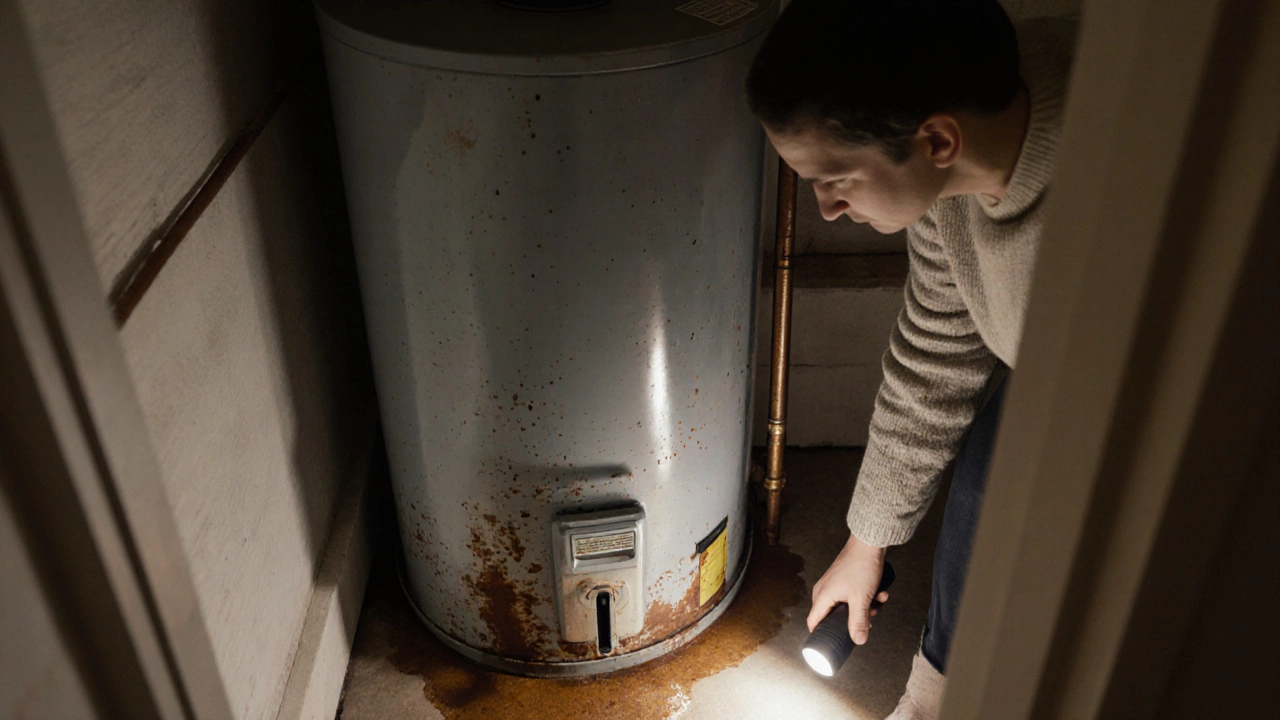
Find out if fixing a 20‑year‑old water heater makes sense. Compare repair costs, energy loss, and replacement price to decide the best move for your home.
Deciding whether to repair or replace your hot water heater can feel overwhelming. This article explores practical considerations, including the age of the unit, repair costs, and long-term benefits. By understanding essential factors like energy efficiency and potential savings, homeowners can make informed decisions. Discover useful tips and interesting facts to help you choose the best course of action for your specific situation.

Deciding whether to repair or replace a dishwasher can be challenging. This article explores factors like cost, lifespan, and environmental impact to help homeowners make an informed decision. Learn about common dishwasher issues and repair tips to prolong its life. Evaluate professional repair services versus DIY fixes and consider when it's time to let go and invest in a new appliance.

Navigating the decision between repairing or replacing a 10-year-old stove can be challenging. This article explores various factors including repair costs, the longevity of appliances, and energy efficiency to help homeowners make an informed decision. Additionally, it provides tips and insights on evaluating stove performance and when professional help is warranted. Readers will gain a comprehensive understanding of the practical steps they can take if they find themselves in a similar situation.

Deciding whether to repair or replace a refrigerator can be a puzzling task for most homeowners. Factors like the age of the fridge, the cost of repairs, and energy efficiency play crucial roles in this decision. Getting a new fridge might seem attractive with the latest features, but sometimes repairing your old one is the better choice. Before making a move, it’s essential to weigh the pros and cons to make an informed choice.

Discover how to ensure your water heater is in proper working condition with this detailed guide. Learn to identify signs of malfunction, perform essential maintenance tasks, and understand common issues that may arise. Whether it's electric or gas, having a reliable water heater is crucial for every home. Keep your heater running smoothly with practical and safety-focused advice.
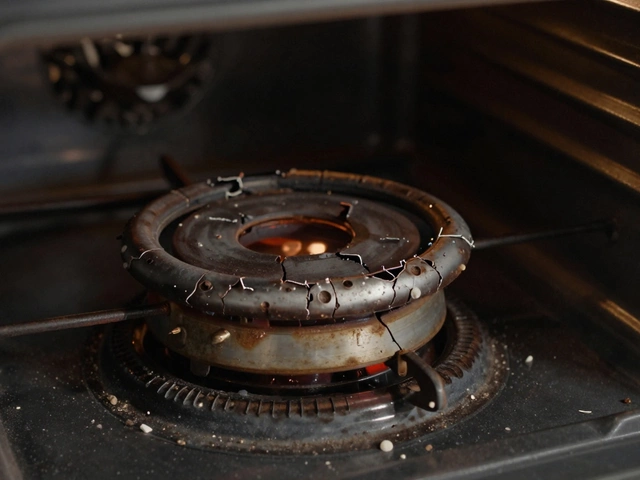
If your oven won't heat up, it's usually a simple fix-like a broken element, faulty thermostat, or blown fuse. Learn the most common causes and how to diagnose them yourself before calling a repair technician.
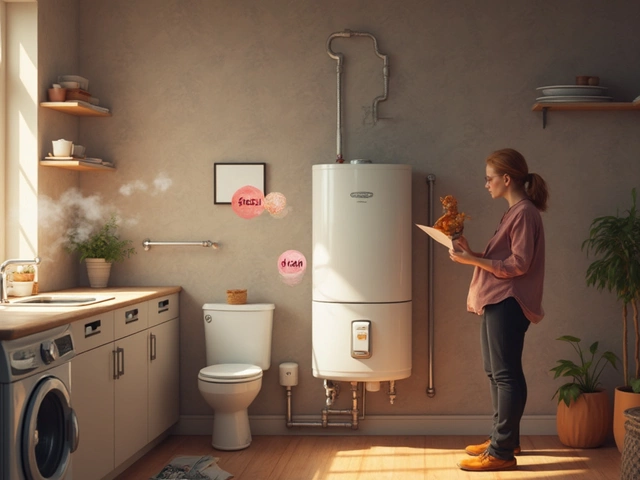
Wondering if you should flush or just drain your water heater? This article breaks down the difference, when each method makes sense, and what actually helps your water heater last longer. You'll find practical advice, simple tips, and a few things even pros forget. Discover the truth about tank cleaning—without the jargon or confusion. Your next maintenance day just got a lot less stressful.
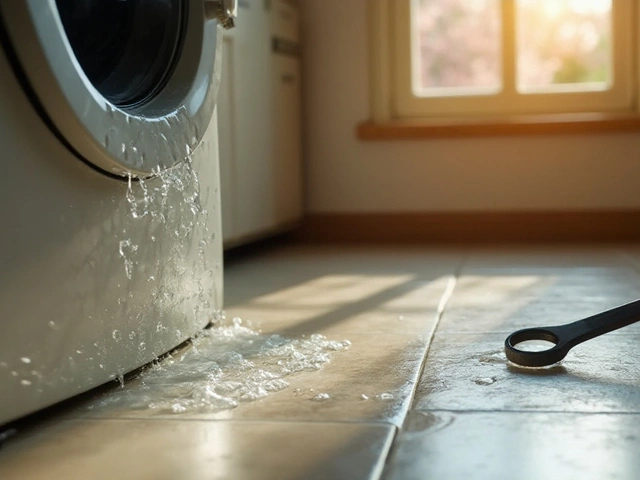
Washing machines are among the most used household appliances, making them prone to various problems over time. This article explores the most frequent issues like leaks, drainage problems, and strange noises. Understanding these problems can help in diagnosing issues quickly and considering effective repairs. The article also offers helpful tips to maintain your machine and keep it running efficiently for years. Simple maintenance steps can prevent most common problems from occurring.