

When your washer breaks down, it throws a wrench into your routine and your budget. The good news is you can avoid most problems by choosing a reliable washer and looking after it the right way. Below you’ll get the basics on what makes a washer reliable, what to look for when buying, and simple steps to keep it humming for years.
A reliable washer isn’t just a pricey brand name. It’s built with sturdy parts, has a good warranty, and gets solid reviews for fewer breakdowns. Look for a drum made of stainless steel – it resists rust and lasts longer than plastic. A strong motor with direct drive or a well‑tested belt system also reduces wear.
Energy efficiency matters, too. Machines with an A+++ rating use less water and heat, which means the components run cooler and under less stress. You’ll also see fewer leaks and fewer trips to the repair shop.
Finally, check the service record. Some brands have a network of local technicians who know the model inside out. That means quicker fixes if anything goes wrong.
Even the best machine needs care. Start by cleaning the detergent drawer and door seal every month – built‑up residue can cause bad smells and mold. Run a hot empty cycle with a cup of white vinegar once every few months to clear out any lingering grime.
Don’t overload the drum. A full load is fine, but stuffing it past the recommended capacity strains the motor and suspensions. Follow the weight guidelines on the label and use the right cycle for the load size.
Balance the machine properly. If the washer rocks or vibrates a lot, adjust the feet until it sits level on the floor. A wobble can damage bearings and lead to costly repairs.
Use the right detergent. High‑efficiency (HE) machines need low‑sudsing detergent. Too much foam can interfere with the sensor and cause the washer to stop mid‑cycle.
Finally, listen for odd noises. A grinding or squeaking sound usually means a bearing or belt is wearing out. Catching it early can save you from a full‑blown breakdown.
By picking a model with proven durability and following these easy maintenance habits, you’ll enjoy a reliable washer that lasts well beyond the average lifespan. If you ever hit a snag, a quick call to a local repair expert can get you back to clean clothes without breaking the bank.
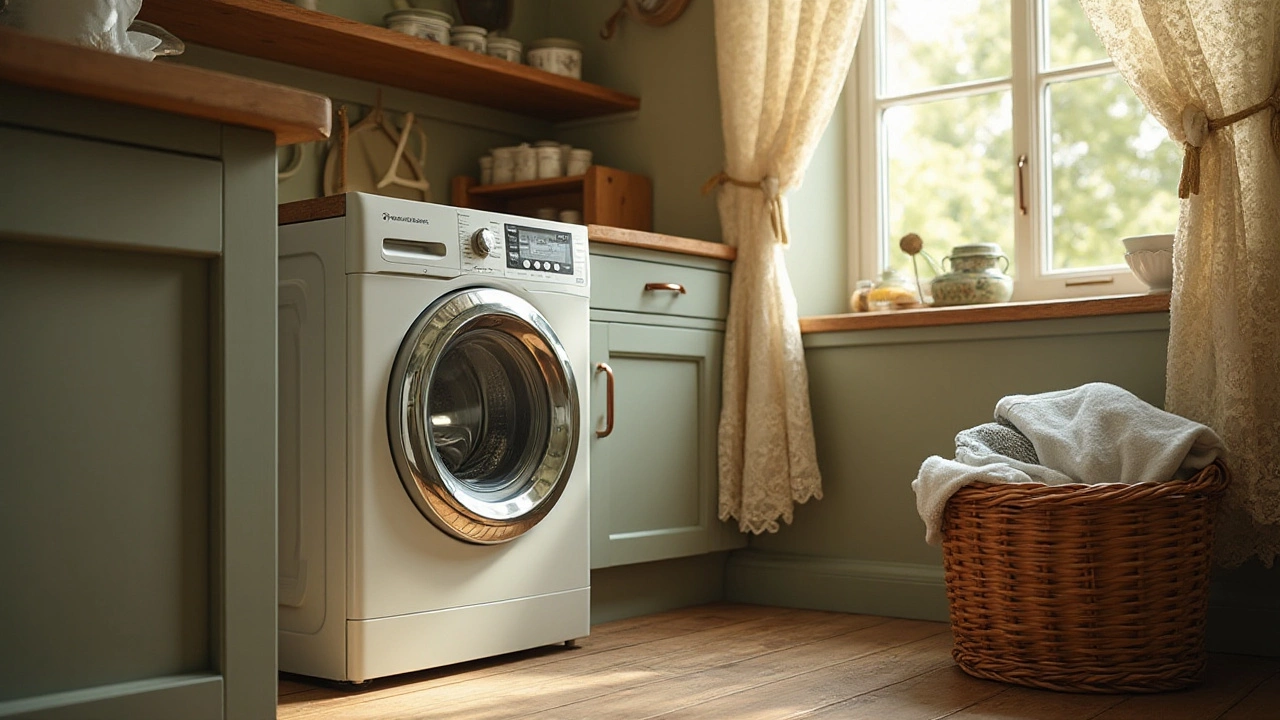
Choosing a reliable washing machine can be a daunting task given the numerous options available. This article provides insights into brands known for fewer repair issues and shares tips to maintain and extend the washer's lifespan. With technological advancements and design improvements, knowing how to select a durable washer can save time and money. Learn about the top performing washer brands based on recent studies and consumer reports. Also, discover interesting ways to keep your machine running smoothly.
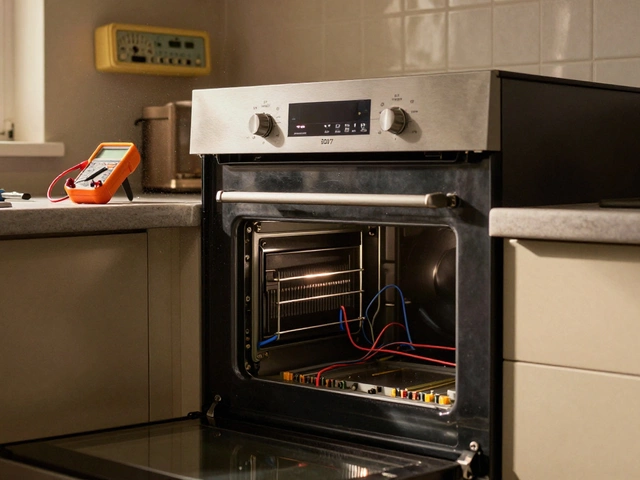
Is replacing your oven control board worth it? Learn the real costs, when to repair vs replace, and what most UK homeowners get wrong. Save money and avoid costly mistakes.
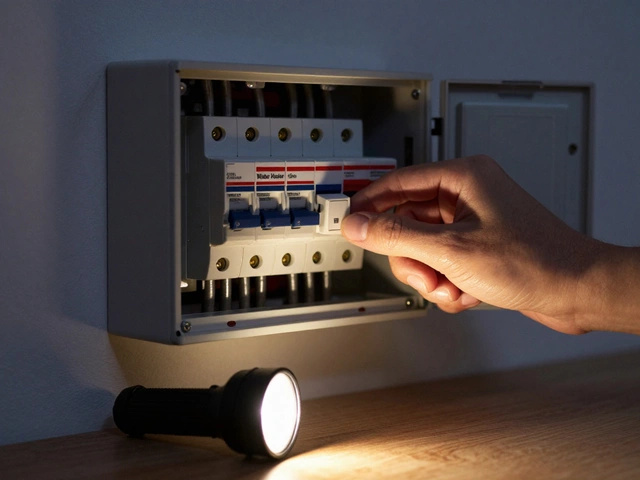
When there's no hot water, the first thing to check isn't the heater-it's the circuit breaker or pilot light. Most issues are simple fixes that save time and money. Learn what to look for and how to fix it yourself.

Repairing an aging laptop can be a tricky decision. This article explores whether it's still worth investing in a 7-year-old device. We'll consider factors like performance, cost, potential upgrades, and environmental impact. Dive in to learn about the practical and sentimental value of maintaining your trusty laptop.

Deciding whether to repair or replace a dishwasher can be challenging. This article explores factors like cost, lifespan, and environmental impact to help homeowners make an informed decision. Learn about common dishwasher issues and repair tips to prolong its life. Evaluate professional repair services versus DIY fixes and consider when it's time to let go and invest in a new appliance.

Thinking of fixing your own water heater? Learn when DIY is safe, common problems, money-saving tips, and when to call a pro.