

So your old fridge is making weird noises, warming up, or just looking tired? It’s probably time to think about a replacement. A new fridge can lower your energy bill, give you more space, and stop that constant drip. Below you’ll find straight‑forward advice to decide if you need a new unit, pick the right one, and get it installed without headaches.
First, check the age. Most refrigerators last about 10‑15 years. If yours is pushing 12 years and you’re already paying for repairs, replacement is usually cheaper. Look for signs like a warm interior, frequent frost build‑up, or a compressor that’s constantly running. A sudden rise in your electricity bill can also point to an inefficient, aging unit.
Another red flag is a cracked door seal. If warm air keeps leaking in, the fridge works harder and the compressor wears out faster. Finally, if you notice water leaks or a clogged drain pan, those are also signs that the machine is on its last legs.
Start with size. Measure the width, depth, and height of the space where the new fridge will sit, and leave a few centimeters for ventilation. Remember to check the door swing – a double‑door unit needs more clearance than a single‑door model.
Next, think about the style you need. Top‑freezer models are usually the cheapest, but side‑by‑side and French‑door fridges give you easier access and more flexible shelving. If you love fresh produce, look for models with crisper drawers that stay at the right humidity.
Energy rating matters more than you might think. An A+++ fridge can use up to 30% less electricity than an older A+ model. That extra upfront cost pays off in lower bills and a greener home. Check the label for the annual kWh consumption and compare it with your current usage.
Features are tempting, but keep it practical. Adjustable shelves, a water dispenser, and a built‑in ice maker are useful if you use them daily. If you rarely need ice, skip the ice maker – it saves money and reduces maintenance.
Set a budget and stick to it. Mid‑range fridges give a good mix of reliability and features for most households. High‑end models can be pricey and often have fancy tech that you may never use.
When you’ve narrowed down your choices, read a few recent reviews. Real‑world feedback tells you if a fridge lives up to the specs or has hidden problems.
If you’re comfortable moving heavy appliances and have the basic tools, you can hook up a new fridge yourself. The job usually involves positioning the unit, leveling it, and connecting the power cord. Some models also need a water line for a dispenser – that part can be trickier and may require a plumber.
Safety first: always unplug the old fridge, wear gloves, and use a dolly to avoid back injuries. If you spot any damaged wiring, a leak, or you’re unsure about the water hookup, call a qualified technician. A professional will also dispose of your old fridge responsibly – many retailers offer a free removal service, and the old unit can be recycled.
Finally, give your new fridge a few hours to settle before loading it with food. This lets the coolant settle and ensures the temperature stabilizes quickly.
Replacing a refrigerator doesn’t have to be a stressful project. By checking the age, measuring your space, choosing an energy‑efficient model, and deciding whether to DIY or hire help, you’ll end up with a fridge that works well and saves you money. Happy shopping!

Deciding whether to repair or replace a refrigerator can be a puzzling task for most homeowners. Factors like the age of the fridge, the cost of repairs, and energy efficiency play crucial roles in this decision. Getting a new fridge might seem attractive with the latest features, but sometimes repairing your old one is the better choice. Before making a move, it’s essential to weigh the pros and cons to make an informed choice.

Discover how long extractor fans last, signs of failure, and when to repair vs replace. Expert tips for extending lifespan and maintaining kitchen/bathroom ventilation.

Curious about how your home appliances actually work? Get a full breakdown of what happens inside, troubleshooting tips, and smart ways to keep everything running smoothly.
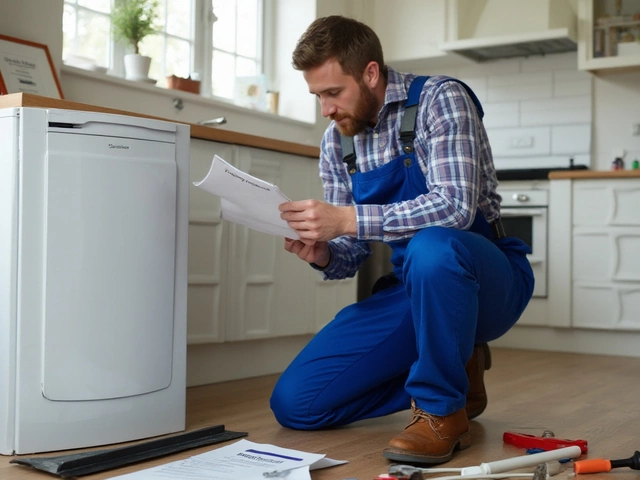
Plumbers are often the go-to professionals for a wide range of home repairs, but when it comes to boilers, it's essential to know their scope of work. This article delves into whether plumbers can actually handle boiler installations and replacements. You'll uncover what specific skills and certifications are required for boiler work, why hiring a specialized heating engineer may be recommended, and the potential risks of using underqualified technicians. Whether you're considering a new boiler or need an existing one serviced, understanding who is best suited for the task is crucial.
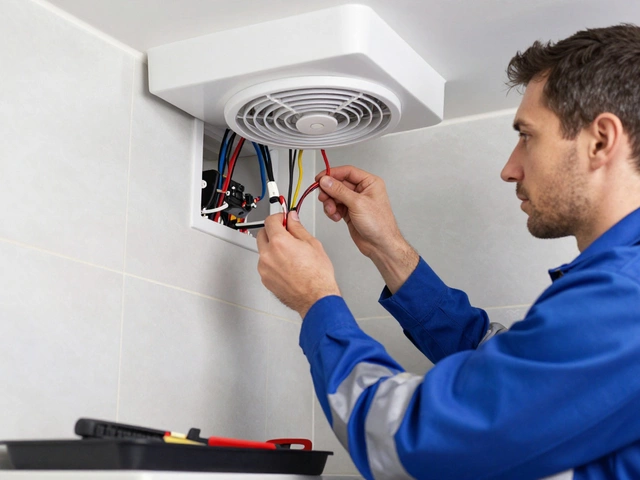
Discover which tradesperson fits an extractor fan. Learn when to hire an electrician vs. a plumber for safe, compliant UK installations.
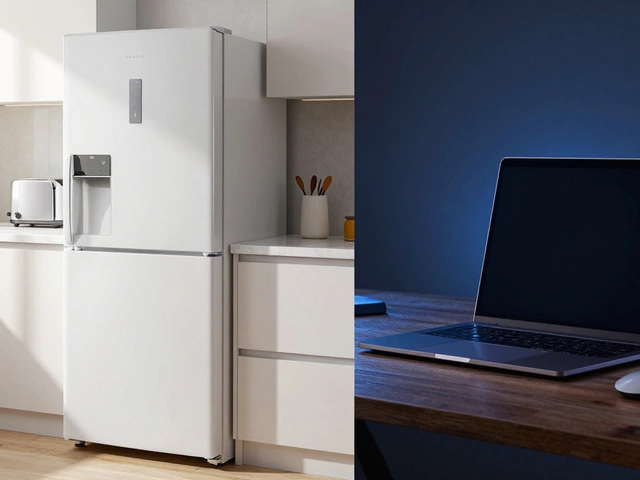
Is a laptop an appliance? Discover why the distinction between consumer electronics and household appliances matters for repairs, warranties, and insurance.