

If your fridge is acting up, you’re probably feeling the heat (and maybe a bit of panic). A warm fridge can spoil food fast, and a noisy unit can drive you nuts. Luckily, many fridge issues have simple fixes you can try before dialing a repair service.
First, notice what’s wrong. Is the interior not getting cold enough? Are you hearing constant humming or clicking? Is there water pooling at the bottom? Do you see frost building up inside or on the freezer wall? These clues point to different problems – from a dirty condenser coil to a faulty thermostat.
Another red flag is a sudden increase in your electricity bill. If the fridge runs longer cycles, it’s working harder and costing you more. Also, check the door seals. A cracked or warped gasket lets warm air in, making the compressor work overtime.
Start with the easy stuff. Pull the fridge away from the wall and vacuum the condenser coils – dust is the biggest enemy of cooling efficiency. A coil brush works great, but a regular vacuum with a narrow nozzle does the job too.
Next, clean the drain hole and drip pan. Over time, food particles can clog the drain, causing water to pool or frost to form. Use a pipe cleaner or a thin brush to clear the hole, then wipe the pan dry.
If the fridge is still warm, check the temperature settings. Accidentally turning the dial too low can make the unit run constantly without reaching the right temperature. Set the fridge to around 37°F (3°C) and the freezer to 0°F (-18°C) and give it a few hours to stabilize.Listen for the compressor. You should hear a low, steady hum followed by a brief click when the compressor starts. If it’s running nonstop or not starting at all, the issue may be electrical – a faulty start relay or a dead compressor. Those parts usually need a professional’s eye.
Finally, inspect the fan inside the freezer. A broken or blocked fan stops air from circulating, leading to hot spots. Clear any debris and make sure the blades spin freely. If the fan motor is silent or rattling, it’s time to call a tech.
When DIY steps don’t solve the problem, don’t hesitate to reach out for help. Bognor Regis Appliance Repair Experts can diagnose and fix most refrigerator issues, from sealed‑system leaks to motor failures. Their technicians know the local climate and have the right parts on hand, so you won’t be stuck waiting weeks for a repair.
Remember, regular maintenance keeps a fridge running smoothly. Schedule a quick coil cleaning every six months, wipe the door gaskets weekly, and watch for early warning signs. A little attention now can save you a costly repair later.

Understanding what usually fails in a fridge can save you time and money. This article explores common issues like malfunctioning thermostats, compressor problems, and leaky seals. Learn helpful tips for diagnosing and possibly fixing these issues yourself. Knowing when to call a professional is also crucial in the life of your fridge.
Microwave ovens, essential kitchen appliances for many households, can sometimes fail to operate smoothly. This article dives into the intricacies of microwave repair, exploring common issues, troubleshooting methods, and practical repair tips. Designed for both amateur DIY enthusiasts and curious individuals, the guide offers insights into understanding microwave components and determining when professional help is necessary. Learn the skills needed to fix minor problems and tips to maintain the efficiency of your microwave.
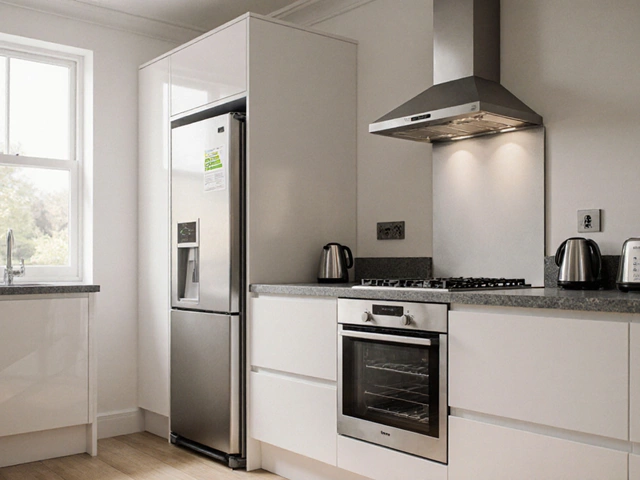
Learn what qualifies as an appliance in UK homes, including major vs. small appliances, what doesn't count, and why the distinction matters for repairs and insurance. Clear, practical guide for homeowners.

Microwave suddenly dead? It might be the fuse. This article breaks down the real cost of repairing a microwave fuse—parts, labor, hidden fees, and whether you should DIY. You'll get practical tips on when to call a pro, what brands cost more, and how to avoid common mistakes. A straightforward guide to help you fix your microwave without overspending.

Shower cold but other taps hot? Learn how to diagnose and fix the problem, from failing mixing valves and diverters to air locks and sediment buildup.
Discover how long electric hobs last, from ceramic to induction models. Learn signs of failure, repair vs. replace costs, and tips to extend lifespan.