

If your plug in oven stops heating, makes odd noises, or just won’t turn on, you’re probably wondering what to do next. Most plug in ovens are electric, so the main culprits are power issues, faulty heating elements, or a broken thermostat. The good news? Many of these problems can be checked and even fixed at home with a few tools and a bit of patience.
First things first – make sure the oven is actually getting power. Unplug it, wait a minute, and plug it back in. Reset any tripped circuit breakers or replace a blown fuse. If the oven’s display lights up, you know electricity is reaching the unit.
Next, look at the oven door seal. A cracked or warped seal lets heat escape, making the oven think it’s not hot enough. Replace the seal if you see gaps. Finally, give the oven a good clean. Grease buildup on the heating element can cause it to overheat and shut down.
1. Oven won’t heat – The most common reason is a faulty heating element. Open the back panel (make sure the oven is unplugged), locate the element, and look for visible cracks or burns. Use a multimeter set to ohms; a good element reads around 10‑30 Ω. If the reading is infinite, the element is dead and needs swapping. Replacement is usually a quick job: unscrew the old element, disconnect the wires, attach the new one, and screw it back in.
2. Oven heats unevenly – This often points to a failing thermostat or temperature sensor. The sensor is a thin metal rod inside the cavity; if it’s broken, the oven can’t regulate heat. Test it with a multimeter – it should read about 1 kΩ at room temperature. Replace it if the reading is off.
3. Oven display flickers or shows error codes – Modern plug in ovens have digital controls that store error logs. Look up the code in the user manual; many codes simply mean a loose wire or a dirty contact board. Tighten any loose connections and clean the board with a soft brush.
4. Oven makes strange noises – Rattling can be a loose fan motor or a broken fan blade. Remove the back panel, locate the fan, and spin it by hand. If it wobbles or hits something, replace the fan assembly.
While most of these fixes are doable for a handy homeowner, always remember safety comes first. If you ever feel unsure, pause and call a qualified appliance repair technician.
Regular maintenance can keep your plug in oven running smoothly for years. Clean the interior after each use, check the door seal monthly, and run a simple heating test every six months – set the oven to 180 °C and see if it reaches the temperature (use an oven thermometer for accuracy). If it consistently falls short, it’s time to investigate the element or thermostat.
When the repair feels beyond your skill set, Bognor Regis Appliance Repair Experts are just a phone call away. Our technicians know plug in ovens inside out and can replace parts quickly, so you’re not left without a working oven for long. We’ll also give you maintenance tips so the same issue doesn’t pop up again.
Bottom line: a plug in oven that stops heating isn’t the end of the world. Start with the power supply, check the element and thermostat, clean out any grime, and you’ll often have it back in action. If you hit a wall, don’t hesitate to get professional help – it’s cheaper than buying a new oven and saves you time in the long run.
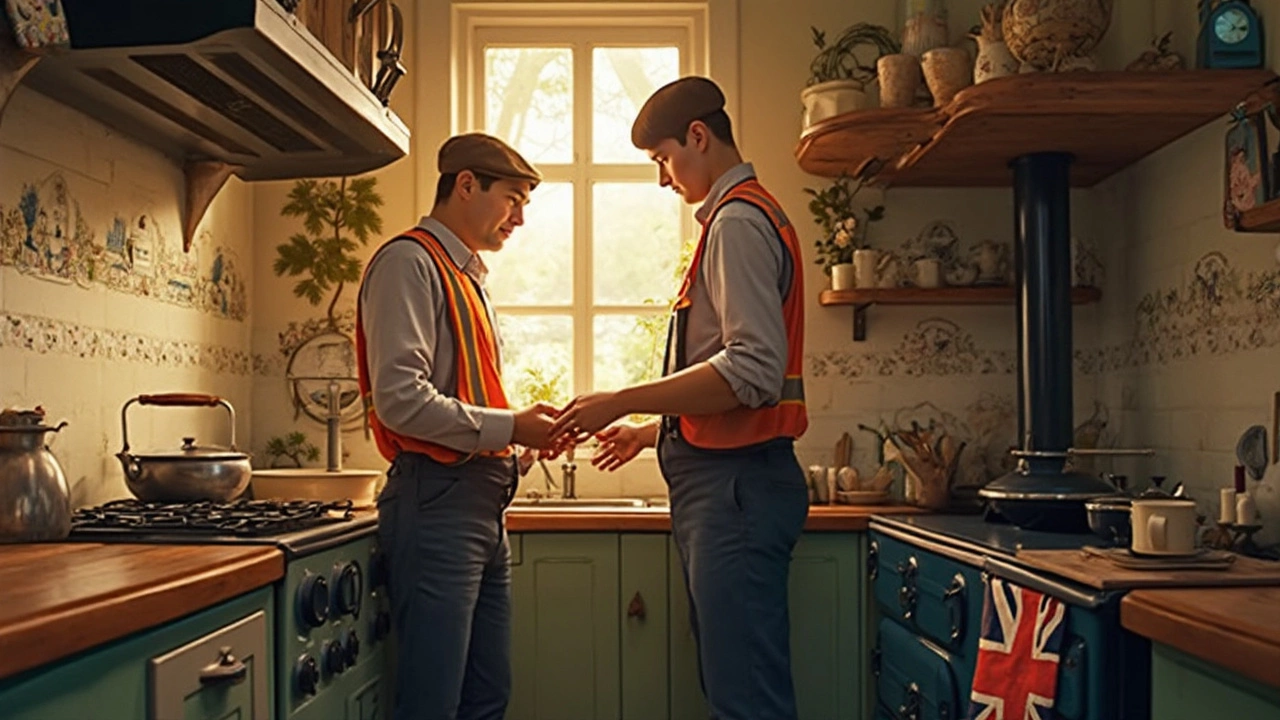
Thinking about installing a new electric oven? It's not always as simple as plugging it in. Discover the ins and outs of electric oven installation with tips on wiring, safety precautions, and when to call a professional. Learn what to check before attempting to plug in a new unit and how to ensure everything's set up correctly for safe and efficient use.

Wondering if it's safe to send your laptop for repair? Learn how to protect your data, choose the right shop, and avoid warranty pitfalls with this practical guide.
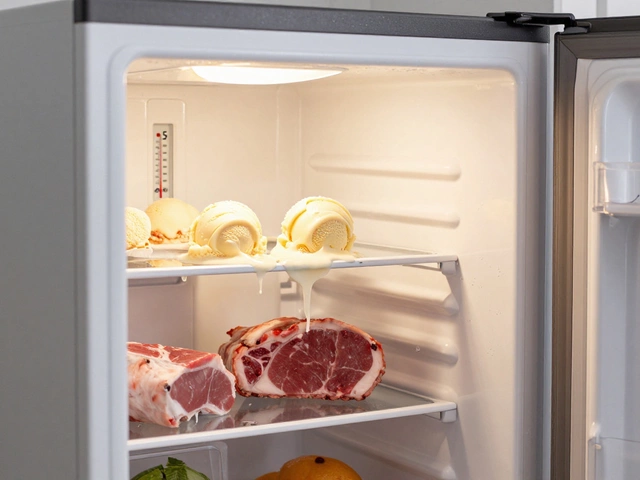
When your freezer stops freezing, food spoils fast and bills spike. Learn the top causes - from bad seals to failing compressors - and how to fix them yourself before calling a technician.
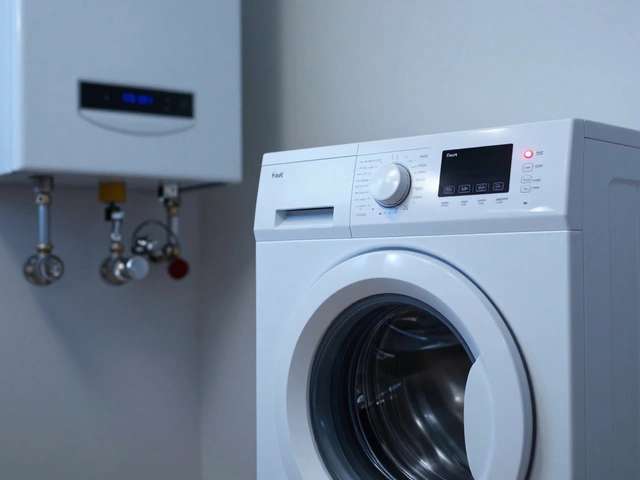
Find out if your washing machine works when the boiler is broken. Learn about cold water cycles, potential errors, and tips for UK homes.
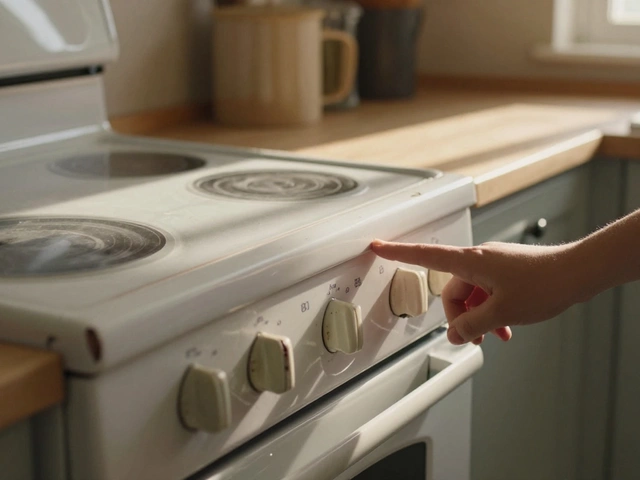
Deciding whether to fix an old stove? Learn how to weigh repair costs against buying a new unit, factoring in safety, energy bills, and part availability for a 15-year-old appliance.
Your hot water stopped suddenly? This guide breaks down the top 7 causes - from low pressure to frozen pipes - and shows you how to fix them yourself before calling a plumber.