

Got a cold oven or a broken element? Before you call a technician, see if you can tackle the job yourself. With a few tools, a bit of patience, and the right steps, you can get your oven back to baking, roasting, and broiling in no time.
If your oven is more than ten years old and needs major motor or wiring work, replacement might be cheaper in the long run. However, most heating issues boil down to a faulty element, a bad thermostat, or a blown fuse—parts that cost under £30 and are easy to swap. Ask yourself: Is the problem limited to one function (like no heat) or does the whole oven act up?
Look for warning signs that signal a full replacement: frequent breakdowns, visible rust on the interior, or a door that won’t seal. If you’ve already spent a few hundred pounds on repairs, it’s time to compare the cost of a new oven with the total spent on fixes.
Here’s what you’ll need: a screwdriver set, a multimeter, safety gloves, and the correct replacement part (check your oven’s model number). Turn off the power at the fuse box – never work on a live oven.
1. Diagnose the issue. Use a multimeter to test the element for continuity. No reading means the element is dead.
2. Remove the old element. Open the oven door, unscrew the mounting screws, and gently pull the element out. Watch out for any broken ceramic – it shatters easily.
3. Install the new part. Align the new element with the mounting holes, re‑screw it, and reconnect any wiring clips exactly as they were.
4. Test the oven. Switch the power back on and run a quick heat cycle. If the oven heats up evenly, you’ve nailed it.
For full‑oven replacements, the process adds a few steps: disconnect the power cord, unbolt the old unit, slide the new oven into place, and secure the cord and brackets. Many models use a quick‑release wiring harness – just snap it together.
Safety tip: If the oven uses gas, you’ll need a qualified professional to hook up the gas line. Electrical replacements are fine for confident DIYers, but don’t hesitate to call a licensed electrician if you’re unsure.
Once the oven works, give it a quick clean. Wipe the interior with a mild detergent and run a 15‑minute empty bake at 180°C to burn off any residues from the new element.
Remember, regular maintenance can extend the life of your oven. Clean the heating elements regularly, check the door seal for wear, and keep the fan free of debris.
If you hit a snag – like a tripped breaker that won’t reset or an unfamiliar wiring color – it’s smarter to call Bognor Regis Appliance Repair Experts. Our technicians know every makes and models, and they can save you time and extra expense.
Bottom line: Most oven problems are cheap fixes you can do yourself. Only replace the whole unit when it’s truly more cost‑effective. With these tips, you’ll avoid unnecessary service calls and keep your kitchen humming.

Considering replacing your electric oven on your own? Before you jump into action, it's crucial to understand the steps involved and the potential challenges you might face. From ensuring safety precautions to understanding the basic wiring, this article delves into what you need to know. We'll discuss not only the tools and skills required but also when it's better to call in a professional. By the end, you'll have a clearer picture of whether you should tackle this task yourself or seek expert help.

Wondering if you should repair your washing machine or just buy a new one? This article breaks down when it's smart to fix your appliance and when it's better to let it go. Get tips on common washing machine problems, repair costs, and simple troubleshooting steps. Plus, learn how to avoid getting ripped off by price gouging repair techs. If laundry day is starting to look like a coin toss, read this before calling the junk hauler.

Navigating the cost of a new boiler can be confusing. This guide dives into typical pricing, key considerations for your budget, and how to make the best decision for your home. We'll explore average costs, the impact of brands and models, and provide tips for saving money. Get the information you need to keep your home warm without breaking the bank.

Cracks in electric hobs can show up suddenly and cause real headaches in the kitchen. This article looks at why electric hobs crack, from common mistakes to sneaky issues with installation. You'll get practical tips on how to prevent damage and handle minor cracks. Find out when you can fix a hob yourself and when it's smarter to call for professional help. Stay ahead of costly repairs and keep your cooking space safe.
Is a laptop an appliance? Discover why the distinction between consumer electronics and household appliances matters for repairs, warranties, and insurance.
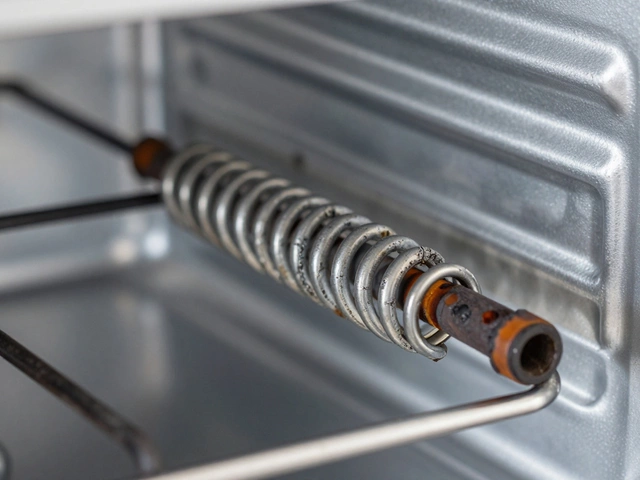
Find out exactly how much it costs to replace an oven heating element in the UK in 2026. Compare DIY vs professional repair prices, learn signs of failure, and decide if repair is worth it.