

When dealing with oven fuse, a small safety component that cuts power to the oven’s heating circuit when current spikes. Also known as oven safety fuse, it protects your kitchen from fire and electrical damage. The fuse works hand‑in‑hand with the oven heating element, the metal coil that actually gets hot and cooks your food and the oven thermostat, the device that monitors temperature and tells the element when to turn on or off. If the element draws too much current, the fuse blows, stopping the flow and preventing the thermostat from receiving false signals. This simple chain – fuse protects element, element follows thermostat – keeps the oven safe and functional.
So, why does a blown oven fuse happen? Common triggers include a failing heating element that starts drawing extra amps, a short in the wiring, or a power surge from the mains. When the fuse blows, the oven will refuse to heat, but the display and lights may still work because they’re on a separate low‑voltage circuit. That mismatch often confuses homeowners: the oven looks alive, yet nothing bakes. Spotting the problem early saves you from repeatedly trying to cook on a dead oven and from risking further damage to the thermostat or control board.
First, unplug the appliance and verify that the outlet is supplying power with a tester. Next, locate the fuse – usually inside the rear panel or behind the oven door, mounted on a small metal strip. Pull the fuse out and inspect the thin wire inside; a clean break or a darkened, melted spot means it’s blown. Before swapping it, you can quickly test the heating element with a multimeter; continuity indicates the element is still good. If the element shows an open circuit, replace it first – otherwise the new fuse will blow again. The thermostat should also be checked for proper resistance values; a faulty thermostat can overload the circuit just like a burnt element.
When you have the right replacement, match the amperage rating exactly – most domestic ovens use a 5 A or 10 A fuse. Install it firmly, re‑assemble the panel, and plug the oven back in. Turn it on and watch for heat to return. If the oven still won’t heat, you likely have a deeper issue such as a damaged thermostat or a wiring short, and calling a qualified technician is the safest route. Remember, working with mains electricity is risky; if you’re unsure at any step, professional help is the smart choice.
Below you’ll find a curated set of articles that walk through checking a fuse, diagnosing heating‑element problems, understanding thermostat behavior, and keeping your oven safe. Whether you’re a DIY enthusiast or just want to know what to expect from a repair call, the posts will give you clear, practical advice to get your oven back in action.
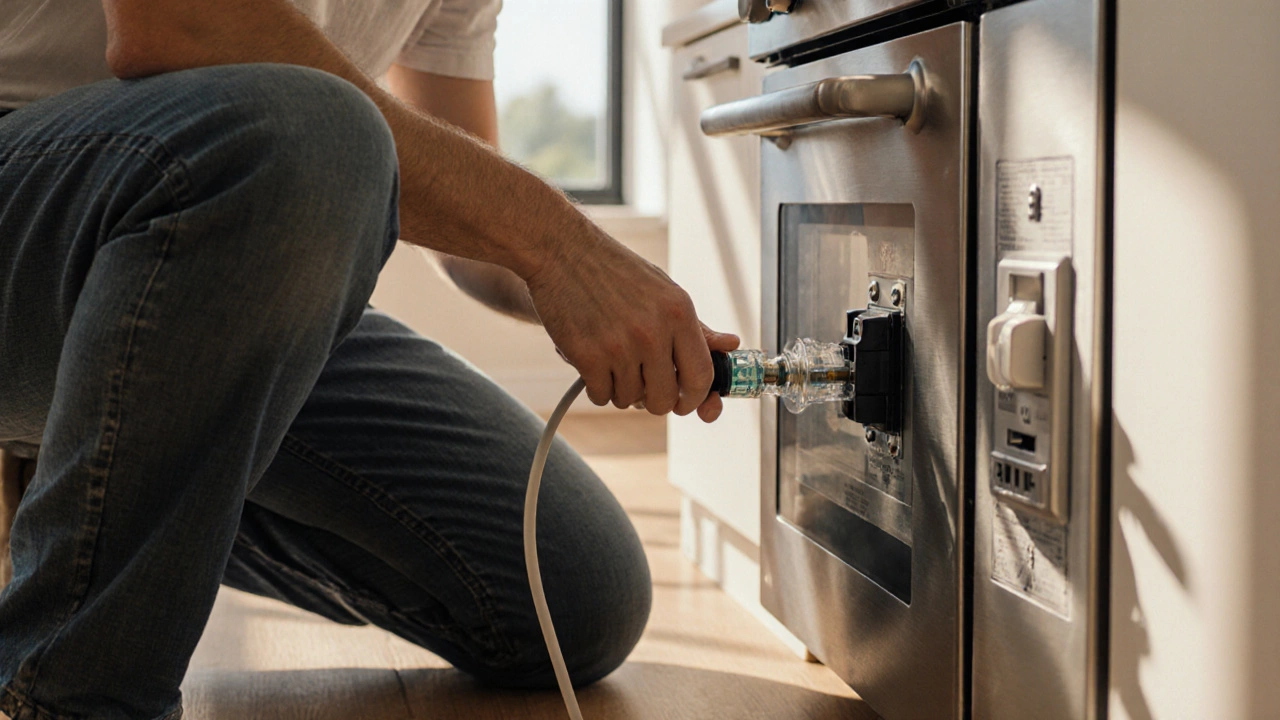
Learn why your electric oven suddenly stopped working, diagnose power, element, thermostat or safety fuse issues, and decide when to DIY or call a repair professional.

Annoyed by standing water at the bottom of your dishwasher? This article breaks down why your dishwasher isn't draining, what can cause it, and how to troubleshoot the most common issues. Learn about clogged filters, garbage disposal connections, and more. I'll also share some handy tips to help you prevent problems in the future. Whether you're a first-timer or have dealt with dishwasher headaches before, you’ll find practical advice here.
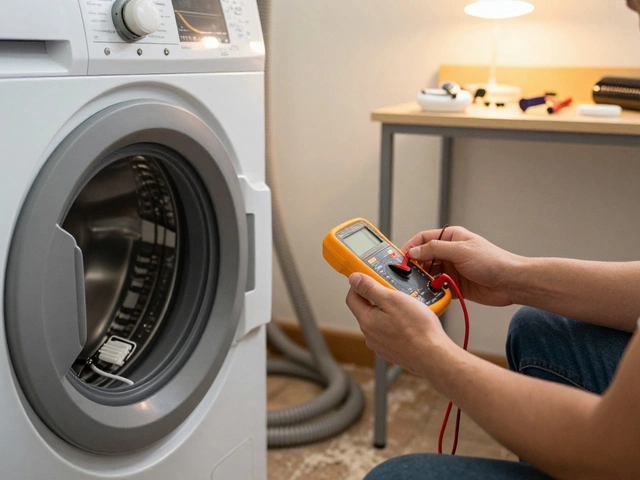
Learn how to fix common dryer problems yourself-no experience needed. Save money and avoid service calls with simple repairs like replacing belts, fuses, and cleaning vents.
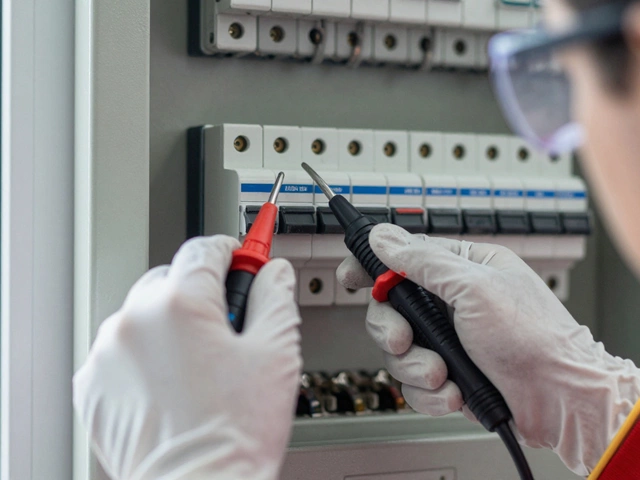
Learn how to safely clean your extractor fan motor to improve airflow, reduce odors, and prevent costly repairs. This guide covers safety steps, tools needed, and step-by-step instructions for a thorough clean.

Wondering why your microwave isn't heating? Learn the common symptoms of a bad magnetron, how to distinguish it from other failures, and when to call a pro.
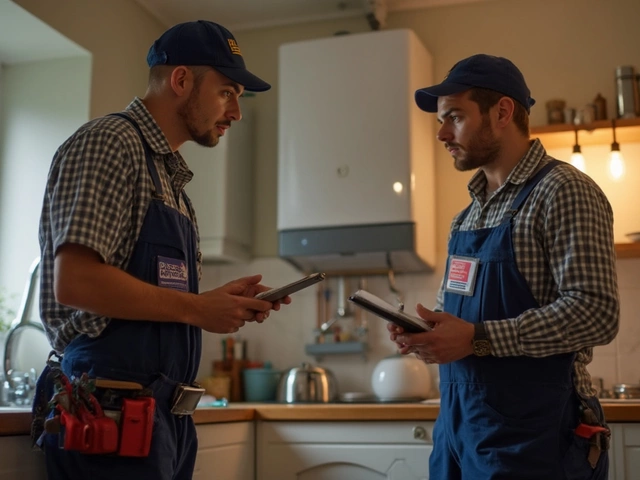
Wondering whether plumbers can fix your boiler? This article breaks down exactly what plumbers do, where their work overlaps with heating engineers, and when you need a specialist. You’ll get practical advice for dealing with boiler issues, tips for finding the right tradesperson, and a look at why gas safety credentials matter so much. There’s even a checklist for what to ask before hiring someone for your boiler job. Skip the confusion and figure out who to call, fast.