

When your oven element failure, the breakdown of the heating coil inside an electric oven that stops it from reaching temperature. It’s the most common reason your oven won’t heat up — and it’s usually easy to fix if you know what to look for. You turn the dial, the fan spins, the light comes on — but no heat. That’s not a power outage. That’s not a faulty thermostat. That’s your oven heating element, the metal coil at the top or bottom of the oven cavity that glows red-hot to generate heat. It’s a simple part, but when it breaks, your oven becomes a very expensive space heater. Most people assume it’s the control board or a blown fuse, but in over 60% of cases, it’s just the element itself wearing out.
These elements don’t last forever. They expand and contract every time you bake or roast, and over time, the metal fatigues. You might see visible cracks, black spots, or a section that doesn’t glow at all. Sometimes, it’ll just stop working silently. If your oven heats unevenly — like the bottom burns but the top stays cold — that’s another sign the bottom element is failing. And if you hear a loud pop before it dies? That’s the element snapping under stress. It’s not dangerous, but it’s done.
Before you call a technician, check the obvious. Is the oven getting power? Did a circuit breaker trip? Is the timer set to auto? If all that’s fine, the element is the next stop. You can test it with a multimeter in minutes — no tools needed beyond a screwdriver. Most UK homes have electric ovens made by Hotpoint, Belling, or Neff, and replacement elements for these brands are cheap and widely available. But here’s the catch: if you’re not comfortable opening the oven panel, or if the element looks fine but the oven still won’t heat, you might be dealing with a faulty thermostat, a broken safety fuse, or a damaged control board. Those are trickier. And if your oven is over 10 years old, it’s worth asking whether replacing one part makes sense — or if it’s time to upgrade.
The good news? Most oven element failure repairs cost under £100, including parts and labor. Many people fix it themselves in under an hour. But if you’ve tried the basics and it’s still not working, don’t waste time guessing. A local technician can diagnose it in 15 minutes and have you baking again before lunch. The posts below cover real cases — from cracked elements you can spot with your eyes, to hidden fuse issues that look like element failure but aren’t. You’ll find step-by-step checks, cost breakdowns, and when to walk away from a repair that’s not worth it.
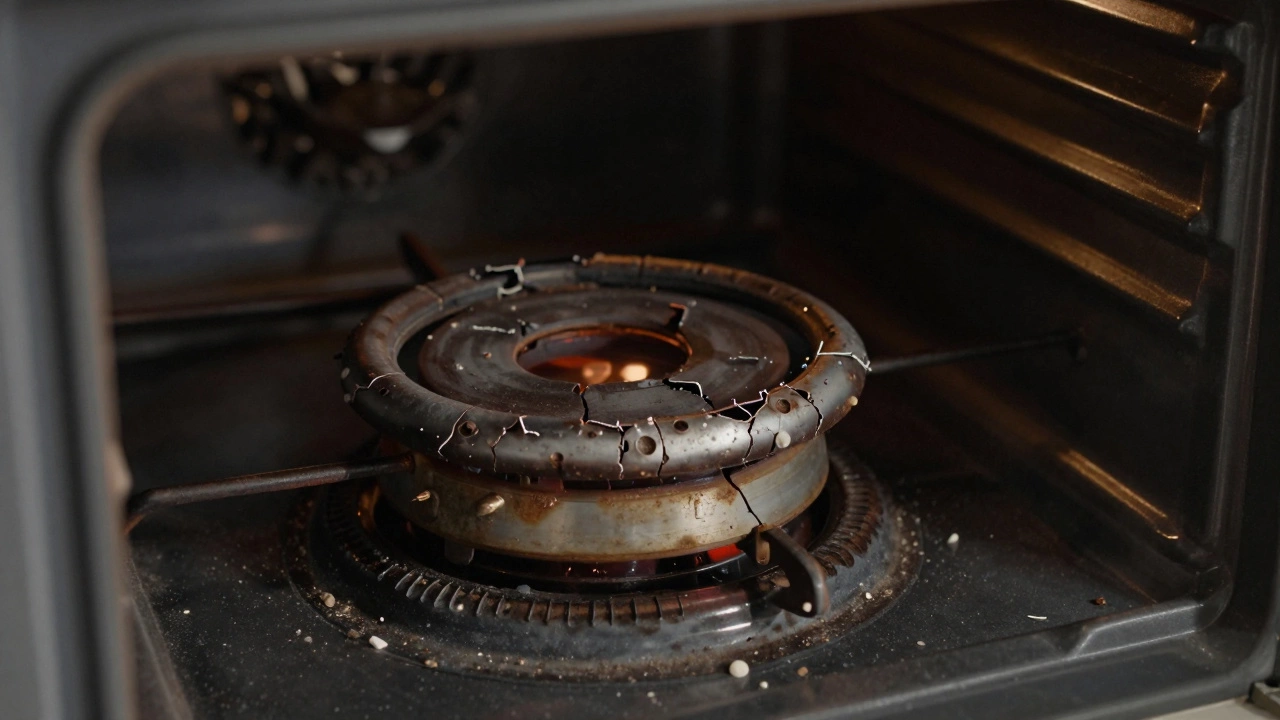
If your oven won't heat up, it's usually a simple fix-like a broken element, faulty thermostat, or blown fuse. Learn the most common causes and how to diagnose them yourself before calling a repair technician.
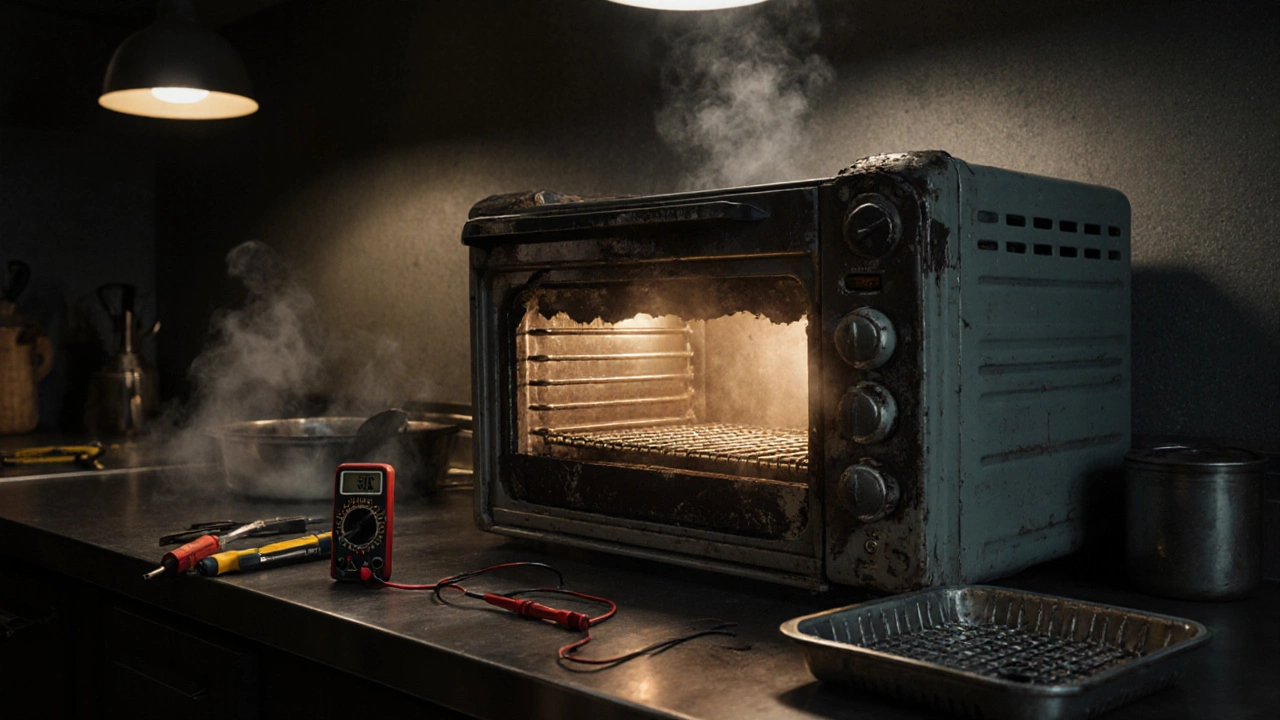
If your electric oven isn't heating, it's usually due to a broken element, faulty thermostat, or blown thermal fuse. Learn how to diagnose and fix the most common causes quickly and safely.

Need to replace your electric oven element? Find out how much it costs, what affects the price, and the best options for repairing your oven in 2025.

If your boiler stops working, know who to call and what to do immediately. This guide covers emergency steps, how to find a Gas Safe engineer, repair costs, and how to prevent future breakdowns in the UK.
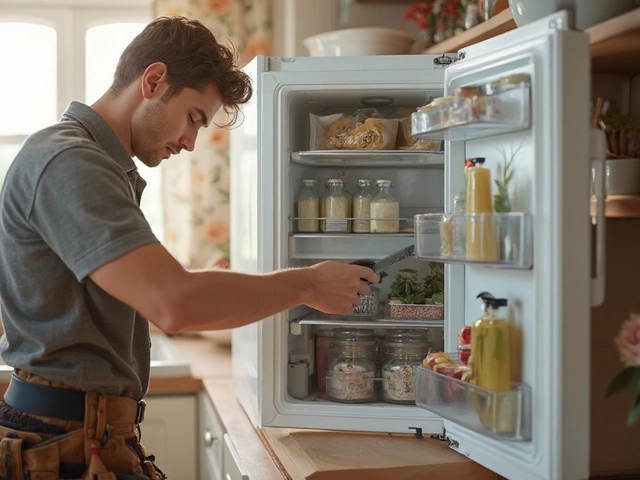
Resetting a freezer compressor may sound daunting, but it's an essential skill for maintaining your appliance's efficiency. Compressors can occasionally need a reset to function properly, potentially saving you from costly repairs or replacements. This article walks you through the steps to safely reset your freezer compressor and offers tips to prevent future issues. Understanding when and why to reset your compressor can keep your freezer running smoothly and extend its lifespan.

Electric ovens can sometimes act up and cause frustration in the kitchen. While not every issue requires a professional, understanding the basic components can save time and money. This guide explores the practicality, challenges, and tips for tackling common oven problems. Whether it's a heating issue or a broken door handle, knowing what to check is crucial. Get insights into the DIY approach to electric oven repair to keep your appliance running smoothly.

Replacing the anode rod in a water heater can extend its lifespan and prevent costly repairs. This article breaks down the cost of replacement, including materials and labor, and discusses why it's a crucial part of water heater maintenance. Discover how often anode rods should be checked and what signs indicate it's time for a replacement. Whether you DIY or hire a pro, understanding these factors can save you money and stress.