

Most ovens keep cooking for 10‑15 years if you look after them. You’ll start seeing wear after a few years – the heating element may flicker, the thermostat can drift, and the door seal gets stiff. Those signs don’t mean the whole unit is dead, just that it needs a bit of TLC.
Leaving spills to bake on the bottom panel is a quick way to rust the interior. Heavy metal pans can scratch the enamel, making heat distribution uneven. And cranking the temperature up to the max every night forces the heating element to work harder than it’s built for. Simple changes – wiping spills while still warm, using non‑scratching cookware, and sticking to recommended temperatures – add years to your oven.
1. Clean the door seal. A gummy gasket lets heat escape, making the oven run hotter and wear out faster. Warm a cloth with a little soap, run it around the seal, and dry it well. 2. Check the heating element. If you notice hot spots or a dim glow, the element may be close to failure. Replacing it yourself is doable with a screwdriver and a new element – just unplug first. 3. Calibrate the thermostat. Many ovens have a hidden screw or button for setting the temperature. A quick test with an oven thermometer tells you if it’s off by more than 10 °C; adjust it and you’ll avoid over‑working the heating parts. 4. Run a self‑clean only when needed. The high‑heat self‑clean cycle can stress the oven’s metal walls. If spills are light, a regular wipe‑down is enough. 5. Get a professional check‑up. Once a year, have a qualified technician look at the wiring, gas connections (if you have a gas oven), and safety switches. Spotting a loose wire early saves costly replacements later.
When problems pop up, don’t assume you need a brand‑new oven. A faulty oven element, a bad thermostat, or a worn door seal are cheap fixes compared to buying a whole new unit. Knowing the typical lifespan helps you weigh repair vs replace – if your oven is under ten years and the issue is a single part, repairing is usually smarter.
Another often‑missed factor is the power supply. Make sure the kitchen circuit can handle the oven’s wattage; an overloaded fuse can cause intermittent power loss, which stresses the heating components. A simple check of the circuit breaker or a call to an electrician can prevent hidden damage.
In short, treating your oven like a car – regular maintenance, timely part swaps, and occasional professional inspections – will stretch its life well beyond the average. Keep an eye on temperature accuracy, clean the interior often, and replace worn parts before they cause a chain reaction. Your oven will keep serving you reliable meals for years to come.

Wondering if your oven can hit the 20-year mark? This article digs into what really decides how long an electric oven lasts, from the make to how you treat it. Get real tips to keep yours running strong, spot early signs of trouble, and find out when repair is smarter than replacement. No fluff—just straight answers for anyone looking to save money and avoid surprise oven breakdowns. This is your guide to squeezing every last year out of your electric oven.
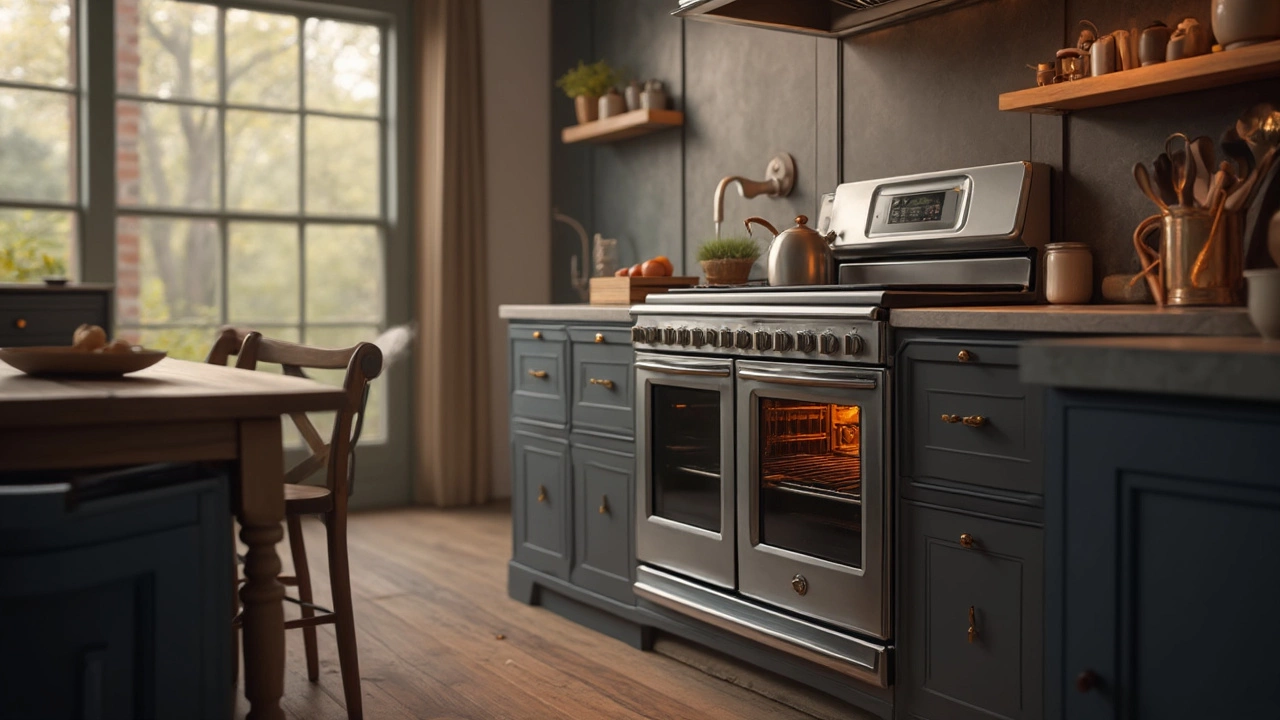
Choosing an oven that stands the test of time goes beyond looks and price. This article delves into which oven brands are celebrated for their durability. We'll explore how build quality, materials, and innovative technologies play a role in longevity. Plus, you’ll get insider tips on maintaining your oven for years to come. Discover how to make a smart choice today that benefits you tomorrow.

Discover how to ensure your water heater is in proper working condition with this detailed guide. Learn to identify signs of malfunction, perform essential maintenance tasks, and understand common issues that may arise. Whether it's electric or gas, having a reliable water heater is crucial for every home. Keep your heater running smoothly with practical and safety-focused advice.

Looking for the right person to service your boiler? Here’s what you need to know about boiler service, finding qualified engineers, costs, and why it matters in 2025.

Is your hot water heater suddenly not working? Here’s what can go wrong, how to spot the problem fast, and pro tips to get hot water back right away.

Deciding whether to fix or replace your oven in 2025? Learn real repair costs, when replacement saves money, safety risks of old ovens, and how to make the smart choice without overpaying.
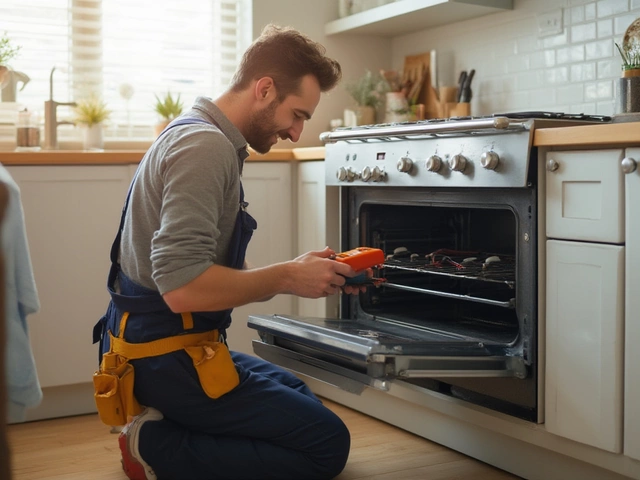
Wondering if an electrician can fix your electric oven? Get the facts, tips, and expert advice you need on diagnosing and repairing broken ovens.