

When dealing with oven control board replacement, swapping the electronic brain of an oven that manages power, temperature and timers. Also called the oven PCB, this component is the hub that tells the heating element when to heat and the thermostat when to stop. A faulty board often shows up as inconsistent baking, random error codes, or a completely dead oven. Thermostat, the temperature sensor that feeds data back to the board works hand‑in‑hand with the board, while the heating element, the metal coil that actually produces heat obeys the board’s commands. Understanding how these three pieces interact helps you diagnose the problem before you call a pro.
The first step is to confirm that the board is really the culprit. Many homeowners mistake a blown fuse or a tripped safety switch for a board failure. Checking the oven’s power supply, inspecting the safety fuse, and resetting any thermal cut‑outs are quick DIY checks. If the oven still won’t heat, the board may be sending the wrong signal to the heating element, which often results in the element staying cold even though the thermostat reports the correct temperature. This mismatch is a classic sign that the board’s control logic is broken.
Repairing a damaged board can be tempting if you have soldering skills, but most modern boards are densely packed with surface‑mount components that are hard to replace individually. A qualified appliance technician, a specialist trained in electrical appliance diagnostics and repair can often test the board with a multimeter and decide if a full swap is more cost‑effective. Replacement costs in the UK typically range from £120 to £250, depending on oven type and brand. This price includes the new board, labor, and a basic warranty – a worthwhile investment when the rest of the oven is still in good shape.
Gas ovens add another layer of complexity. The igniter, which lights the gas burner, is controlled by the same board that runs electric ovens. A failed igniter can produce the same symptoms as a bad board – no heat, error codes, or intermittent operation. In these cases, the decision often boils down to which part is cheaper to replace. A new igniter might cost £30‑£60, while a new board could be upwards of £150. If the igniter is the only faulty piece, swapping it alone saves money and avoids unnecessary disruption.
Tools matter, too. Replacing a board usually requires a screwdriver set, a multimeter, and sometimes a pair of anti‑static gloves to protect sensitive components. For DIY enthusiasts, a step‑by‑step guide that walks through disconnecting the oven, labeling each wire, and safely removing the board can make the job manageable. However, safety should never be ignored: always unplug the oven and verify that the mains power is off before touching any internal parts.
After the replacement, you’ll want to run a quick test cycle. Set the oven to a low temperature, watch the heating element glow, and listen for the thermostat’s click. Many modern ovens also perform a self‑diagnostic after power‑up, flashing codes that confirm the board is communicating correctly. If everything checks out, you’ve restored reliable baking performance without a costly new oven.
Below you’ll find a curated collection of articles that dive deeper into each of these topics – from spotting early warning signs to estimating repair costs and deciding when a professional call‑out is the smartest move. Whether you’re a DIY fan or prefer to hand the job to an expert, these resources will give you the confidence to tackle oven control board issues head‑on.
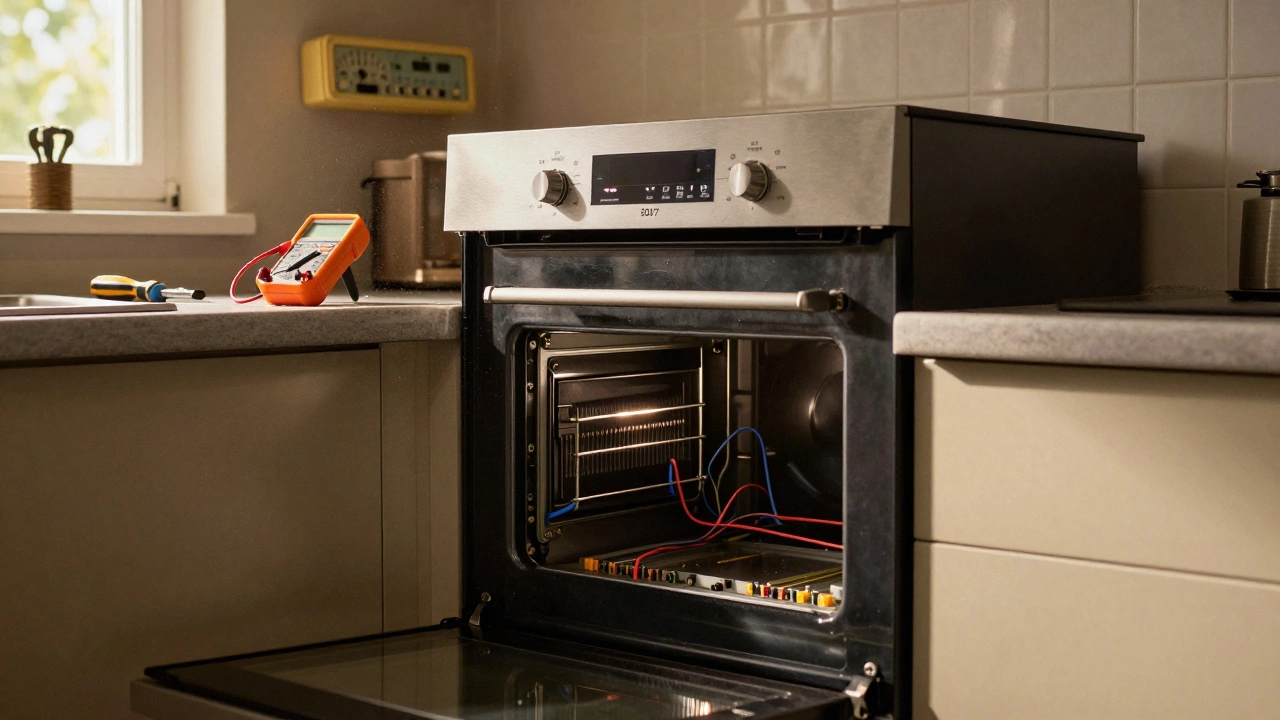
Is replacing your oven control board worth it? Learn the real costs, when to repair vs replace, and what most UK homeowners get wrong. Save money and avoid costly mistakes.
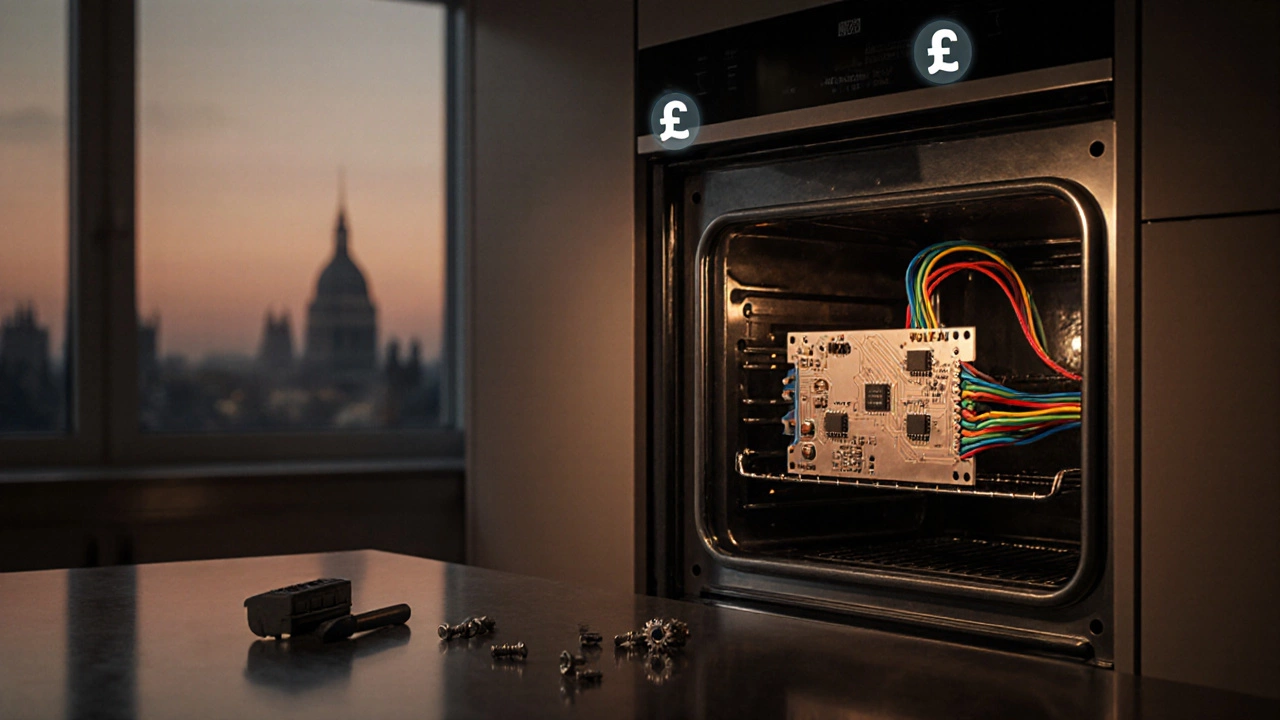
Learn the typical UK price for an oven control board, factors that affect cost, DIY steps, and when to call a professional in 2025.

Wondering what an appliance job really is? This article breaks down everything you need to know, from common types of jobs to what actually happens when a technician shows up at your door. You'll learn when to call for help, what to expect during a service visit, and how to get the best results for your money. Get practical tips before you book, so there are zero surprises. Whether it’s your fridge, washer, or oven acting up, this guide has your back.
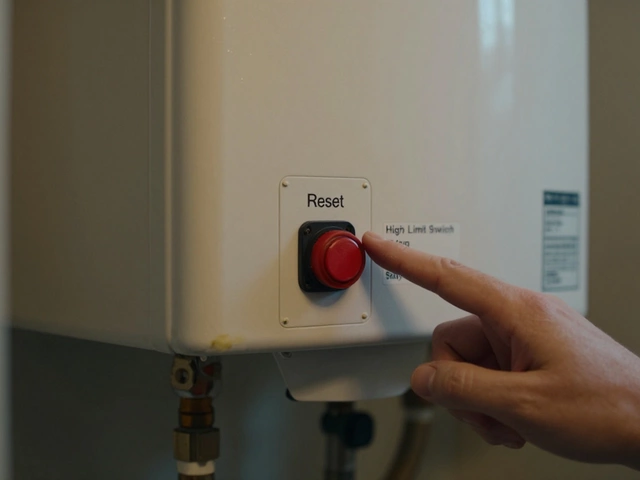
Discover why your hot water heater's reset button keeps tripping. Learn about failed thermostats, shorted elements, and sediment buildup, plus step-by-step fixes.

Extractor fans are crucial for maintaining fresh air and reducing humidity in various parts of a home. When these fans malfunction, it's important to know who to call for repairs. This article guides homeowners on how to find reliable extractor fan repair services. We'll look at why professional help is essential and what to consider when selecting a repair technician.

A malfunctioning boiler can be a real nuisance, especially during the cold months. Understanding whether a broken boiler constitutes an emergency is crucial. This article provides insights into when to prioritize boiler repairs, potential risks associated with delayed attention, and essential DIY tips to consider before professional help arrives. Dive into valuable advice on maintaining your heating system efficiently.

An appliance technician plays a crucial role in keeping household and commercial appliances running smoothly. They diagnose issues, perform necessary repairs, and offer maintenance tips to prevent future problems. Understanding their responsibilities helps in appreciating their importance. This article provides insights into the day-to-day duties of an appliance technician and offers tips for those aspiring to join this field.