

When your oven, a key appliance used for baking, roasting, and broiling food in UK homes suddenly stops heating, it’s not just inconvenient—it throws off your whole week. Whether you’re trying to roast a chicken or bake cookies, if there’s no heat, you’re stuck. This isn’t always a sign you need a new oven. Often, it’s a simple fix. The problem usually lies in one of three places: the heating element, the metal coil inside the oven that glows red when powered and generates heat, the thermostat, the control that senses and regulates oven temperature, or a blown safety fuse, a small but critical component that cuts power if the oven overheats.
Most people assume a broken oven means expensive replacement, but that’s not true. A faulty heating element can cost under £50 to replace and often takes less than an hour. The thermostat might be misreading the temperature, making the oven think it’s already hot when it’s not. And if the safety fuse has blown, it’s usually because something else went wrong first—like a short in the wiring or a failing element. You can test the heating element yourself with a multimeter if you’re comfortable. If it’s not conducting electricity, it’s dead. No glow, no heat. Same goes for the thermostat—if it’s not sending the right signal, the oven won’t turn on the element. These aren’t guesswork fixes. They’re common, documented issues that repair technicians see every week in Bognor Regis and across the UK.
Don’t confuse this with a gas oven issue—those have different problems, like a faulty igniter or gas valve. But if you’ve got an electric oven and zero heat, start with the basics: check the power supply, inspect the element for visible damage, and listen for clicks when you turn it on. If the fan runs but nothing heats up, that’s a classic sign of a failed element or thermostat. And if you’ve tried resetting the oven and it still won’t heat, you’re not alone. Over 40% of oven repair calls in this area are for this exact issue. The good news? Most of these problems can be fixed fast, without replacing the whole unit. Below, you’ll find real-world guides from local technicians who’ve seen it all—from cracked elements to faulty control boards. No fluff. Just what actually works.
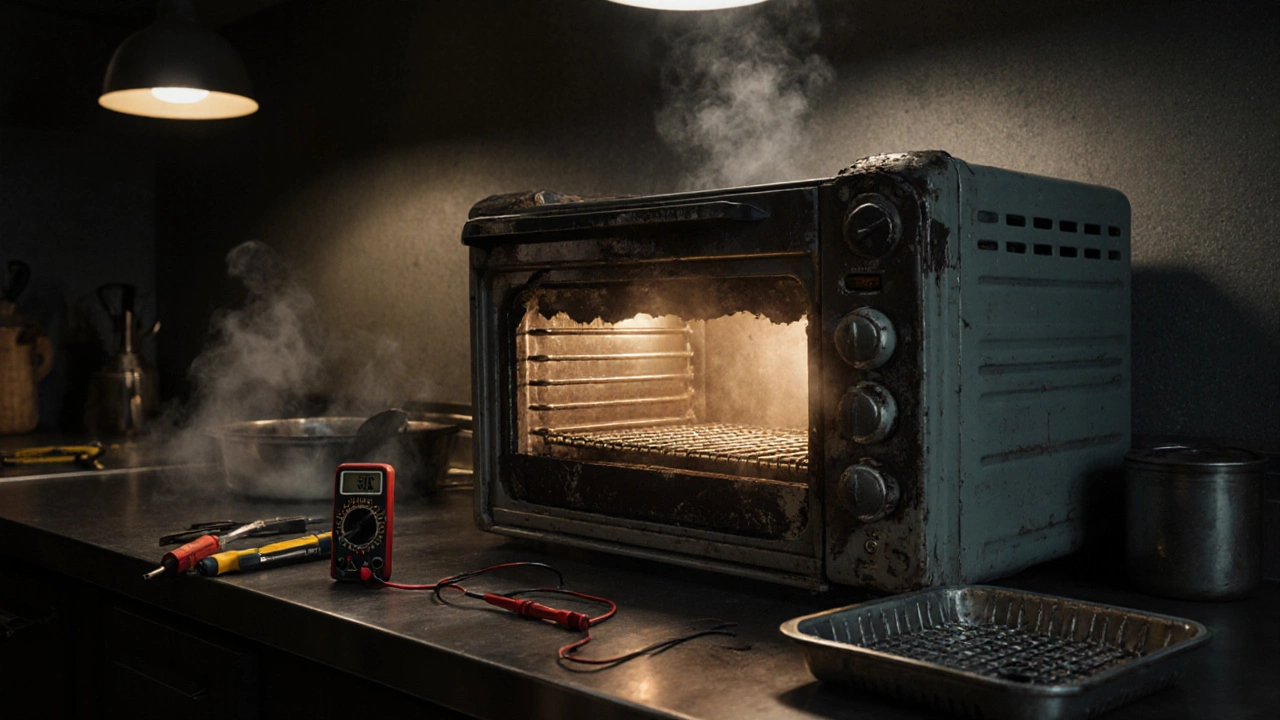
If your electric oven isn't heating, it's usually due to a broken element, faulty thermostat, or blown thermal fuse. Learn how to diagnose and fix the most common causes quickly and safely.
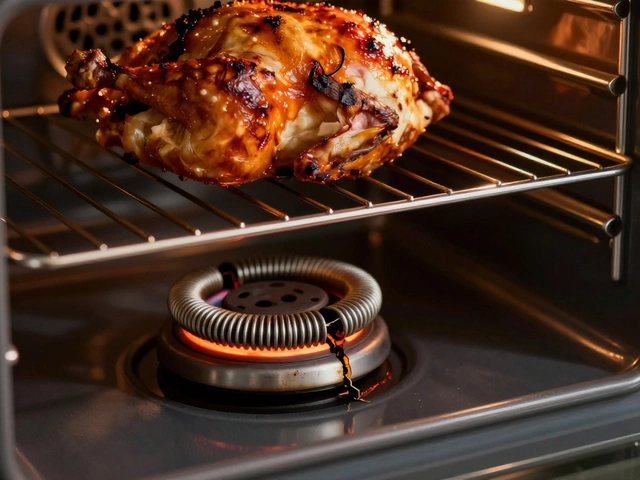
Discover if replacing your oven heating element is cost-effective compared to buying a new appliance. We break down repair costs, DIY steps, and signs of failure to help you decide.
An electric oven is a staple in most kitchens, used for everything from baking cookies to roasting savory meals. Knowing how long an electric oven is expected to last can help homeowners budget and plan for replacement or repairs. This article explores the average lifespan of electric ovens, factors influencing their durability, and tips on maintenance to extend the life of the appliance. Understanding these aspects will aid in maximizing the utility and performance of your oven.
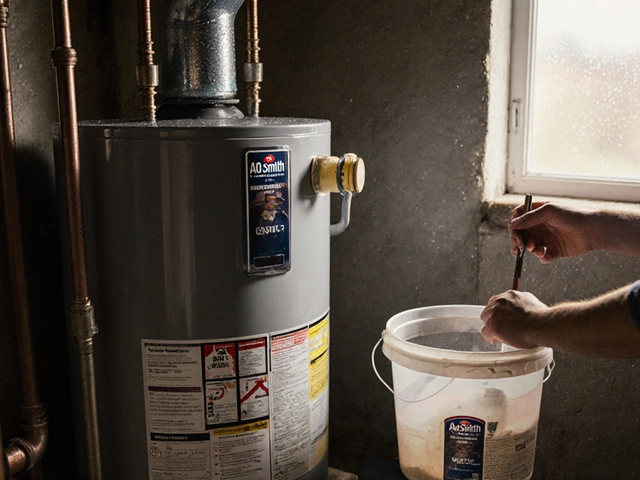
AO Smith, Bradford White, and Rheem are the most durable water heater brands, often lasting 12-15 years with proper maintenance. Learn what really affects lifespan and how to make your heater last longer.

Curious about how much a new boiler might set you back? This article breaks down the costs involved, from purchasing the unit to installation fees. Understand the factors that influence pricing and learn practical tips to get the most value from your investment. Discover essential maintenance advice and the importance of proper sizing and efficiency ratings. Equip yourself with knowledge before making a decision about your home's heating system.
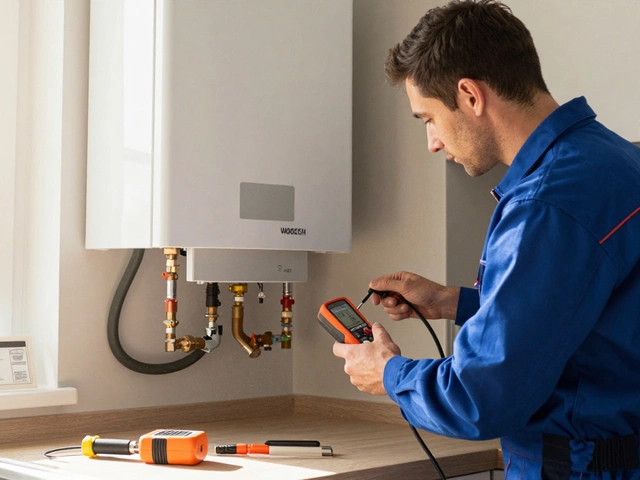
A typical boiler service takes 60 to 90 minutes, but older or neglected systems may require 2-3 hours. Regular annual servicing prevents breakdowns, improves efficiency, and keeps warranties valid. Always choose a plumber who tests gas safety and provides a written report.