

If you’re thinking about a new boiler, the first question on everyone’s mind is the price. In 2025 the market has shifted a bit – fuel‑type, efficiency rating and brand all play a part. Knowing what drives the cost helps you avoid surprises and pick a system that fits both your budget and your home.
First off, the type of boiler matters. A combi boiler, which provides hot water on demand, usually costs more than a conventional system that uses a separate hot water cylinder. On the low end, a basic steel‑body combi can start around £1,200, while high‑efficiency models with aluminium heat exchangers can hit £2,500 or more.
Second, efficiency ratings are a major factor. Boilers are labelled by their Seasonal Efficiency of Domestic Boilers (SEDB) rating. A 90% efficient unit is cheaper than a 95% unit, but the latter can save you 10‑15% on fuel bills each year. Over a ten‑year period that saving often outweighs the higher upfront cost.
Third, brand reputation and warranty length affect price. Well‑known brands with a 10‑year parts warranty tend to be pricier, yet they also come with better after‑sales support. Smaller or off‑brand options may look attractive, but check reviews and see if local installers are familiar with them.
Installation fees are the hidden part of the bill. Even a cheap boiler can become expensive if the installer charges high labour rates or discovers extra work – like new pipework or a new flue. On average, installation adds £400‑£800, so always ask for a full, itemised quote.
Start by comparing at least three quotes from Gas Safe‑registered engineers. Make sure each quote includes the boiler model, efficiency rating, warranty details and a breakdown of labour costs. This lets you see where you’re getting value and where you might be overpaying.
Look for seasonal promotions. Many suppliers run discounts in spring and autumn when demand is lower. A 10% discount on a £2,000 boiler plus free installation can save you a few hundred pounds.
Consider buying the boiler yourself and then hiring an installer. Sometimes retailers price the boiler lower than full‑service providers. Just be sure the installer agrees to work with the model you purchase.
Don’t forget government schemes. The Boiler Upgrade Scheme (BUS) still offers vouchers for high‑efficiency condensing boilers. If you qualify, you could get up to £5,000 off the total cost.
Finally, factor in future maintenance. A slightly more expensive, high‑efficiency boiler with a solid warranty often costs less to run and repair. Use a simple calculator: add the purchase price, installation, and estimated annual fuel savings over five years. The option with the lower total wins.
Bottom line: the price of a new boiler isn’t just the tag on the unit. Type, efficiency, brand, installation and available rebates all shape the final number. By comparing quotes, timing purchases and checking for incentives, you can land a system that keeps your home warm without draining your wallet.
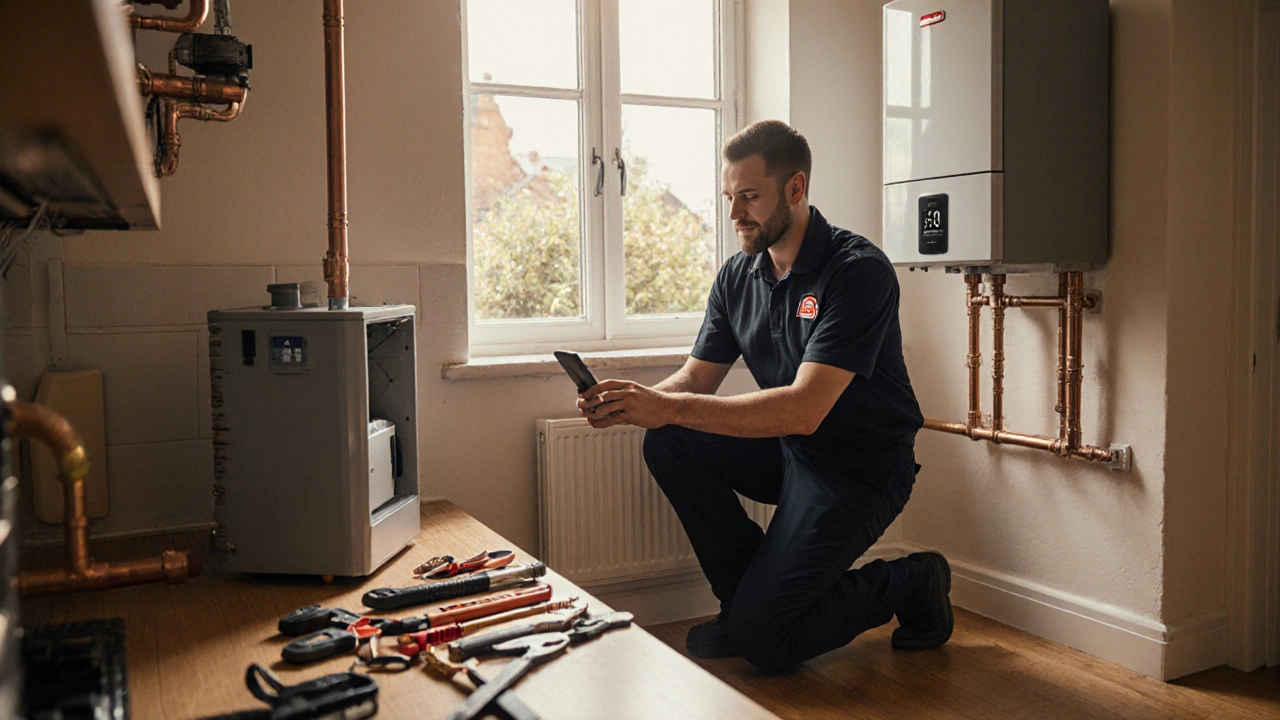
Replacing a boiler in 2025 costs between £2,000 and £4,500 on average. Learn what affects the price, when to replace vs repair, and how to save with government grants. Make an informed decision for your home.

Navigating the cost of a new boiler can be confusing. This guide dives into typical pricing, key considerations for your budget, and how to make the best decision for your home. We'll explore average costs, the impact of brands and models, and provide tips for saving money. Get the information you need to keep your home warm without breaking the bank.

Discover the essential roles appliances play in our daily lives and learn effective tips for maintaining their efficiency. From refrigerators to washing machines, each appliance features unique mechanics tailored for specific tasks. Grasping these functions is crucial for efficient servicing and longevity. Uncover surprising facts about how appliances work and ground yourself in practical maintenance advice to keep them running smoothly.
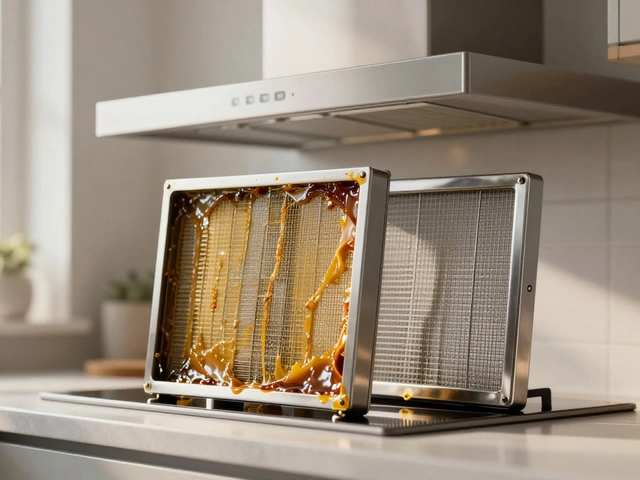
Discover how long extractor fans last, signs of failure, and when to repair vs replace. Expert tips for extending lifespan and maintaining kitchen/bathroom ventilation.

Who pays for boiler maintenance? Landlords must cover it for tenants. Homeowners pay for everything. Warranties don't cover servicing. Annual checks are legally required and save lives.

Nobody wants to deal with a stuffy bathroom or smoky kitchen, but if your extractor fan isn’t working, that’s exactly what you’ll get. This article shows you how to check if your extractor fan is doing its job or just taking up space. From simple power checks to quick airflow tests, you’ll learn hands-on methods anyone can use—no tech wizardry needed. Expect practical tips, a couple of helpful tricks, and signs that tell you when it’s time to call an expert. Don’t let stale air hang around: let’s figure out what your fan is up to.
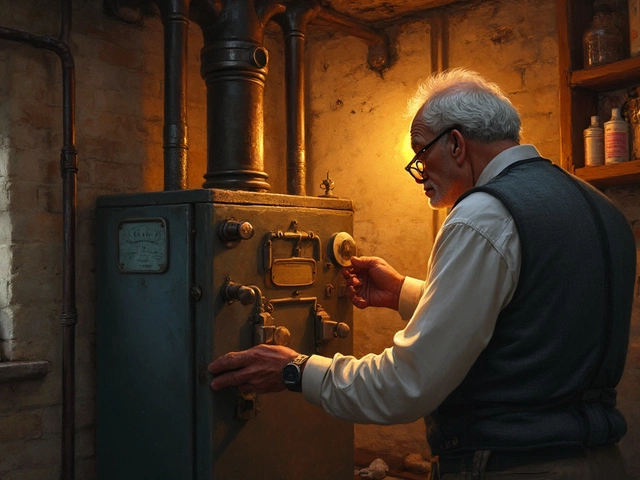
Boiler lifespan can vary greatly depending on usage, maintenance, and type. On average, boilers last anywhere from 10 to 15 years. Regular maintenance is key to prolonging the life of your boiler and ensuring it functions efficiently. In this article, discover how to keep your boiler in top shape and when it might be time to replace it.