

If you use a microwave every day, you probably already know it can heat food in a snap. But most people miss out on a few easy tricks that make the appliance work better, stay safer, and even last longer. Below are practical tips you can start using right now, whether you’re reheating leftovers or trying to fix a minor issue.
The quickest way to keep your microwave spotless is to steam‑clean it. Fill a microwave‑safe bowl with water, add a splash of lemon juice or a few vinegar drops, and run it on high for two minutes. The steam loosens food splatters, and a simple wipe removes them. Do this once a week and you’ll avoid stubborn stains.
Another easy habit is to cover food with a microwave‑safe lid or paper towel. It prevents splatter and retains moisture, so you get evenly heated meals without the mess.
Most microwaves let you adjust power from 10% to 100%. High power is great for boiling water or cooking fast, but many foods do better at medium or low settings. For example, defrosting meat or reheating pizza is smoother at 50–70% power—this avoids a rubbery crust or overcooked edges.
When you’re not sure, start with 70% power and add 30‑second bursts. You’ll see how the food warms up without turning into a dry brick.
Below are a few quick scenarios:
These tricks keep texture intact and save energy.
Most microwave hiccups are easy fixes. If the turntable isn’t rotating, check the glass tray for debris and make sure the roller ring is seated properly. A quick clean usually solves the problem.
Door latches can wear out over time. Look for cracked or broken latch tabs. If you spot one, you can order a replacement part online and snap it into place—no electrician needed.
Unusual noises often come from a loose fan blade. Unplug the unit, remove the back panel (consult the manual), and tighten the screw that holds the fan. Always be sure the microwave is disconnected from power before you work inside.
Never put metal, foil, or dishes with metallic trim inside. Even small pieces can spark and damage the interior. If you see sparks, stop the microwave immediately and let it cool before checking the food.
Keep the vent clear. A blocked vent can overheat the magnetron, shortening the microwave’s life. Wipe the vent slots with a damp cloth monthly.
Finally, don’t operate an empty microwave. Running it empty can cause the magnetron to overheat and fail.
Following these tips will make your microwave faster, cleaner, safer, and more dependable. Give them a try and notice the difference the next time you heat up a quick snack or tackle a minor repair.

When it comes to microwaves, understanding their lifespan is crucial for homeowners looking to make informed decisions about maintenance and replacement. This article delves into the essential factors that affect the longevity of microwaves, offering practical tips on extending their lifespan and recognizing when it's time for a new one. You'll learn about common signs of wear and tear, the importance of proper usage, and how regular servicing can enhance performance. Discover how to keep your microwave running efficiently and what to do when repairs are inevitable.

An electric hob on the fritz can leave you in a lurch, but knowing how much it costs to fix can help you prepare. We'll break down the average repair costs, consider factors like brand, parts, and labor, and help you decide if a repair or replacement makes more sense. Get the inside scoop on typical issues that might arise and how to avoid them in the future. With this guide, you'll feel more confident when talking to repair technicians and won't be caught off guard by unexpected expenses.
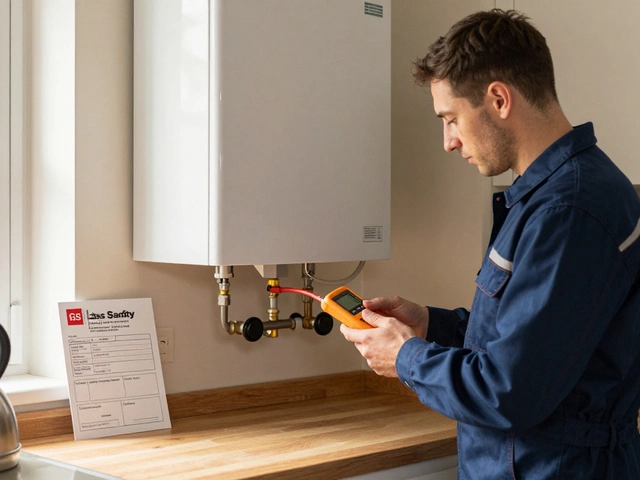
Gas appliances in the UK must be checked annually by a Gas Safe engineer to prevent deadly carbon monoxide leaks. Skipping checks risks health, safety, and legal penalties. Learn what happens during a service and how to stay safe.
If your freezer isn't doing its one job—keeping things cold—you're in a pickle. But before you start shopping for a new one, there are a few things you might try to get it back to work. From checking the power source to cleaning coils, fixing cooling problems can often be simple and straightforward. Let's explore some potential solutions to get your freezer chilling again.

Wondering if you can fix a faulty gas hob? This article explains what repairs are possible, which issues you can tackle yourself, and when to call in a pro. Get down-to-earth tips on spotting common problems, safety advice, and how regular care can extend your hob’s life. We cover everything from spark ignition troubles to stubborn burners that won’t light. Know what you’re dealing with and avoid expensive mistakes.
Determining whether your dishwasher requires repair or replacement can save you both time and money. This article guides you through recognizing common issues, assessing the efficiency of your current dishwasher, and deciding on repair versus replacement. Gain insights into the lifespan of dishwashers and learn handy tips for maintaining them. Make well-informed decisions about your kitchen appliances for a hassle-free experience.