

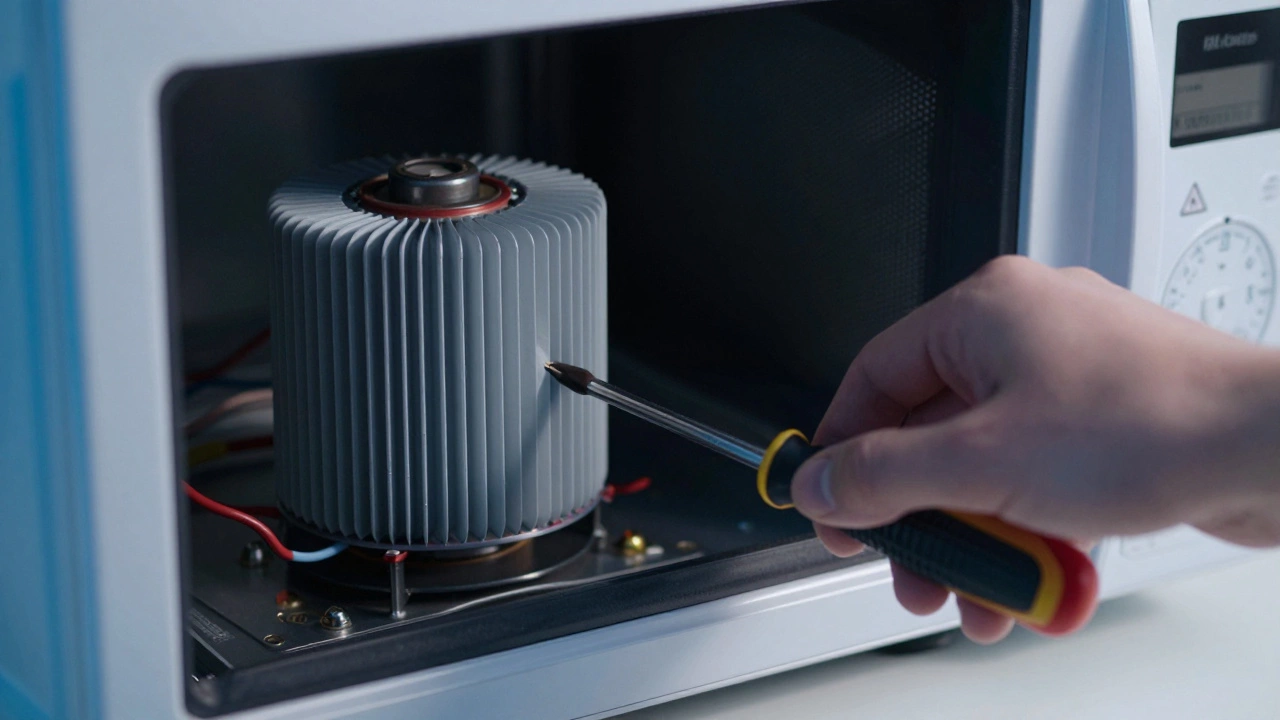
Fixing your own microwave might seem easy, but the high-voltage capacitor inside can deliver a lethal shock-even when unplugged. Here's why DIY repairs are dangerous and what you should do instead.
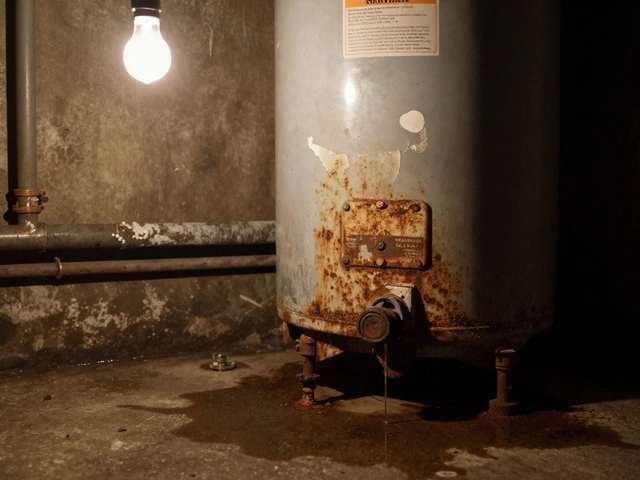
A 20-year-old water heater is likely inefficient, unsafe, and prone to sudden failure. Repairing it may seem cheaper, but replacement saves money, energy, and prevents costly water damage. Here’s what you need to know before deciding.
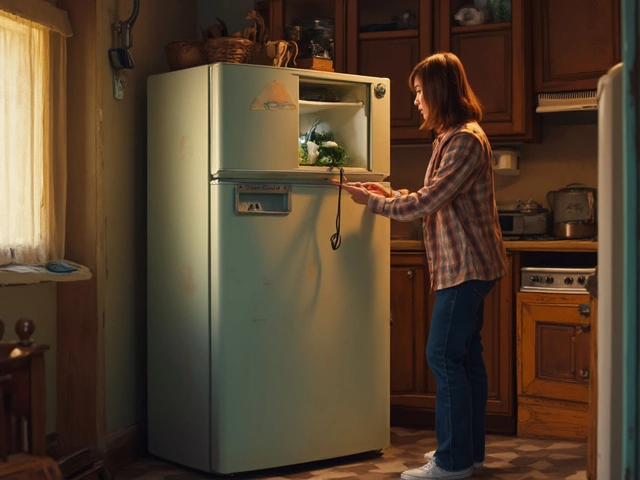
When your refrigerator suddenly stops working, it can cause quite a panic. But before calling in the repair services, there's one crucial thing you should check first: the power source. This step is often overlooked but can save you both time and money. Reliability and efficiency in troubleshooting can help bring your fridge back to life or at least determine the next best steps.
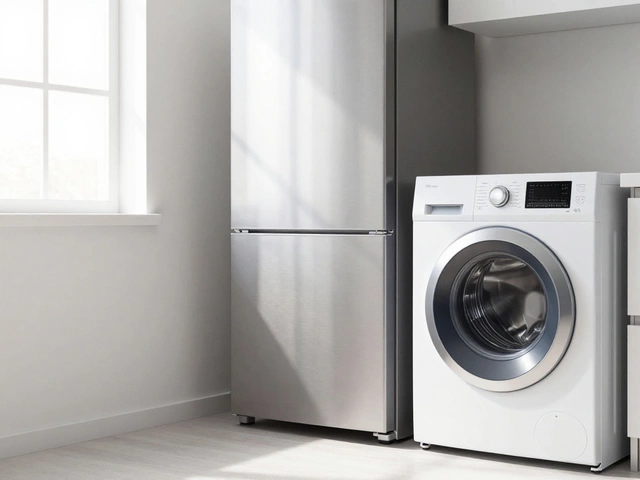
Discover what appliance service really means and how it differs from repair. Learn why regular maintenance saves money, extends lifespan, and ensures safety for your home appliances.
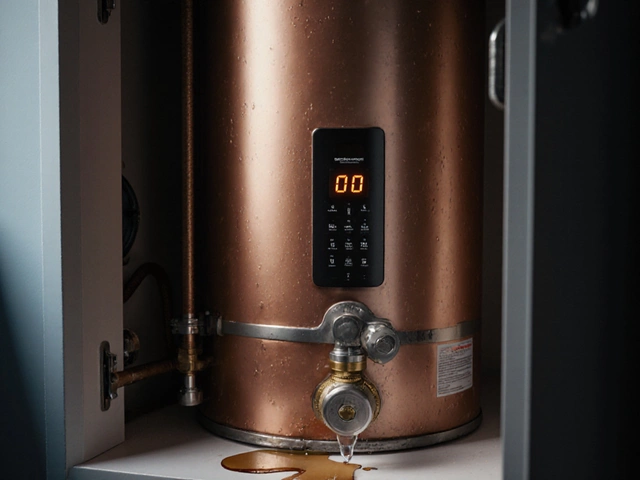
Spot the top warning signs of a failing hot water heater, from strange noises and leaks to temperature swings and error codes, plus practical fixes and when to call a pro.
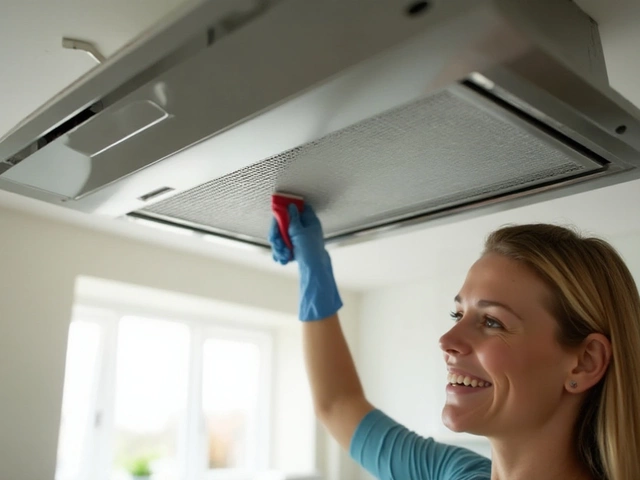
Routine maintenance of extractor fans is crucial to maintaining indoor air quality and ensuring the efficient operation of these ventilation systems. This article explores why servicing extractor fans is important, providing insight into potential problems that may arise if overlooked. Learn how regular upkeep can prevent costly repairs and improve the lifespan of your equipment. Discover practical tips and a step-by-step guide on how to ensure your extractor fan is operating at its best. Keep your home fresh and healthy by understanding the significance of extractor fan servicing.