

If your microwave stops heating, sparks, or starts making odd sounds, you’re probably wondering if you can fix it yourself or need a pro. The good news is many problems are simple to diagnose and solve without opening the cabinet. The bad news is some faults involve high‑voltage parts and are best left to qualified technicians. Below we break down the most common issues, give you step‑by‑step checks, and tell you exactly when to call Bognor Regis Appliance Repair Experts.
1. Microwave won’t heat. The first thing to check is the door latch. If the door sensor isn’t engaged, the unit will refuse to run. Open and close the door firmly a few times and listen for the click. Next, see if the control panel lights up. If the display works but there’s no heat, the magnetron is the usual suspect. Testing a magnetron requires a multimeter and knowledge of high voltage, so most homeowners stop here and call a professional.
2. Sparking inside the cavity. Sparks usually mean there’s a metal object or a damaged waveguide cover. Remove any plates, crisper trays, or metal twist‑ties. If the interior walls look blackened or the waveguide cover is broken, replace the cover. It’s a cheap part and can be swapped in under an hour.
3. Turntable stops turning. First, pull the turntable out and check the roller guide for debris. Clean it with a damp cloth. If the motor hums but the platter doesn’t move, the motor coupler may be worn out. Replacing the motor is a bit more involved, but many DIY videos show a quick disassembly.
4. Unusual noises. A humming sound is normal, but rattling or buzzing often points to a loose fan blade or a failing high‑voltage capacitor. Turn the microwave off, unplug it, and give the back panel a gentle shake. If you hear something moving, the fan may need tightening or replacement.
5. Error codes on the display. Most modern microwaves show a code like “F4” or “E1”. Look up the model’s manual online – the code usually points to a specific sensor or thermostat issue. Resetting the unit by unplugging for two minutes can clear minor glitches.
Even with the best DIY spirit, there are clear red flags that say “call the experts”. If you suspect a problem with the magnetron, high‑voltage transformer, or capacitor, stop. These components store up to 5,000 volts and can give you a serious shock. Also, if the microwave leaks smoke, smells burnt, or the door seal is cracked, a professional repair is safer and often cheaper than a full replacement.
Bognor Regis Appliance Repair Experts specialize in microwave repairs across the Bognor Regis area. Their technicians are Gas Safe registered, have the right tools, and can source original parts quickly. A typical call‑out takes less than an hour, and they’ll give you a clear cost estimate before any work starts.
Before you pick up the phone, try these quick steps: unplug the microwave, check the door latch, clean the interior, and reset the unit. If the problem persists, note any error codes and describe the symptoms clearly – this helps the technician diagnose faster.
Bottom line: simple issues like a dirty turntable or a broken waveguide cover you can handle yourself. Anything involving high voltage, the magnetron, or persistent error codes is a job for the pros. With Bognor Regis Appliance Repair Experts on speed‑dial, you’ll have your microwave back to heating leftovers in no time.
Remember, regular cleaning and occasional checks can extend the life of your microwave by years. Keep the interior dry, avoid metal containers, and give the door a quick visual inspection each month. A little maintenance now saves a costly repair later.
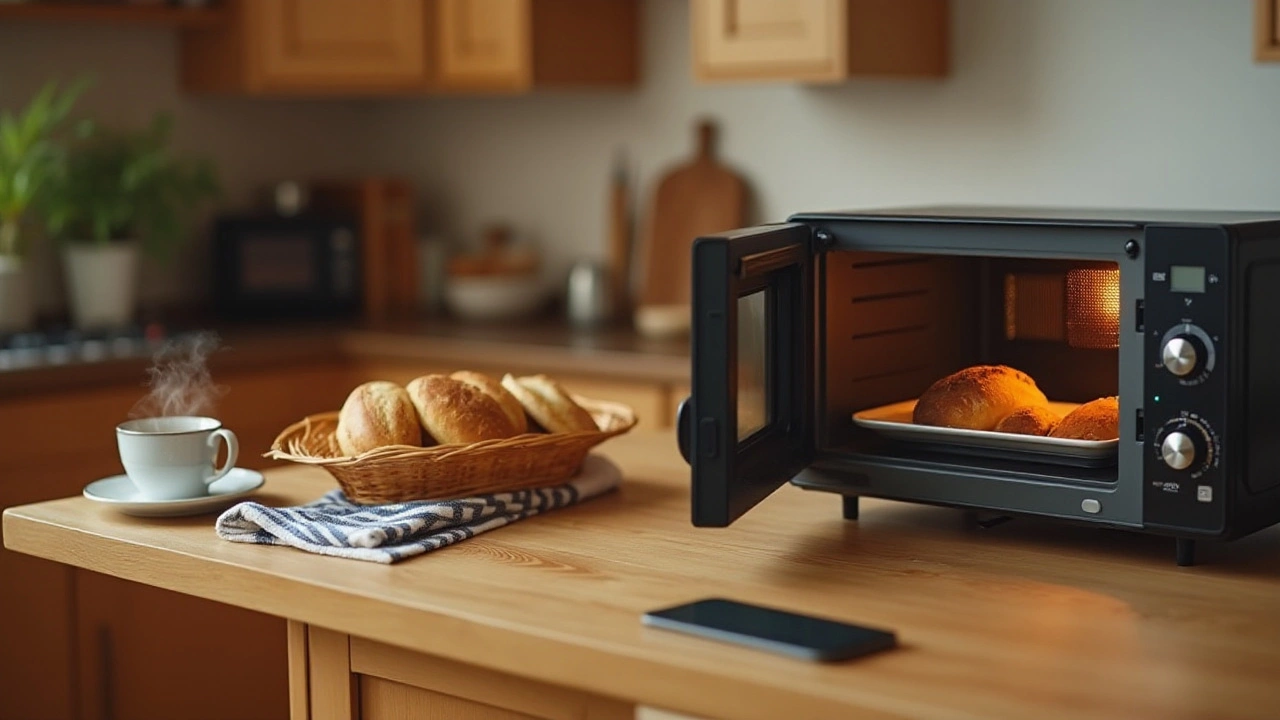
Microwave ovens are essential appliances due to their convenience in heating food. However, they can encounter several problems over time. The most frequent cause of microwave failure is a faulty door switch. This article discusses common microwave problems, how to identify them, and offers practical guidance on how to handle these issues.
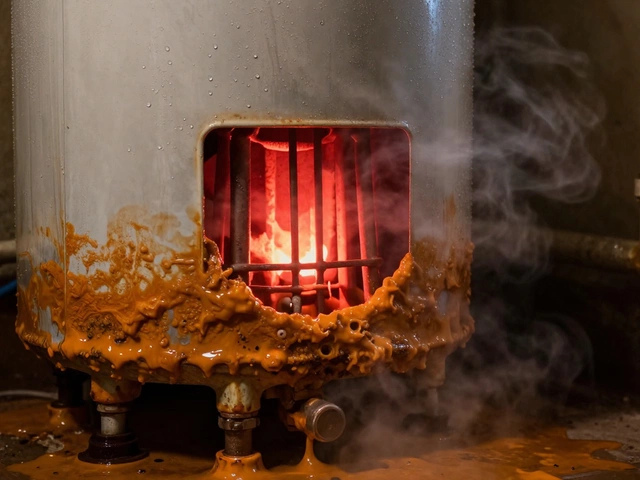
Sediment buildup from hard water is the #1 cause of water heater failure. Learn how mineral deposits damage your tank, why the anode rod matters, and simple steps to prevent leaks and extend your heater's life.

Thinking of tackling an extractor fan installation on your own? Doing it yourself can be a rewarding project if you have the right tools and know-how. This guide breaks down the process into manageable steps, explains what to watch out for, and offers practical tips to avoid common pitfalls. You'll learn when it makes sense to go DIY and when you might need to call in a pro.
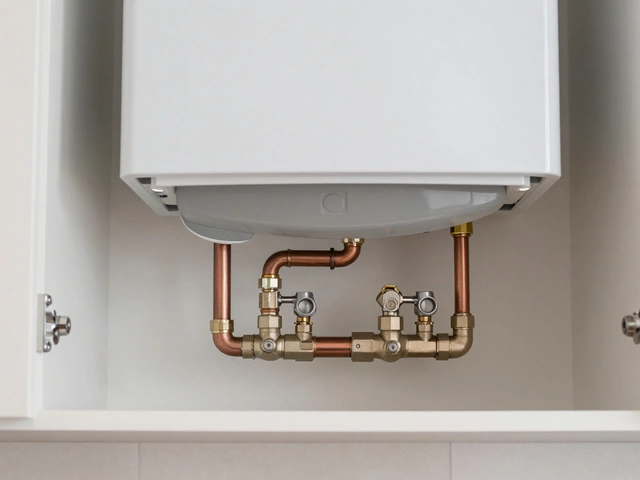
Wondering why boiler replacement is so expensive? We break down the costs of hardware, Gas Safe labor, and system upgrades to explain where your money actually goes.
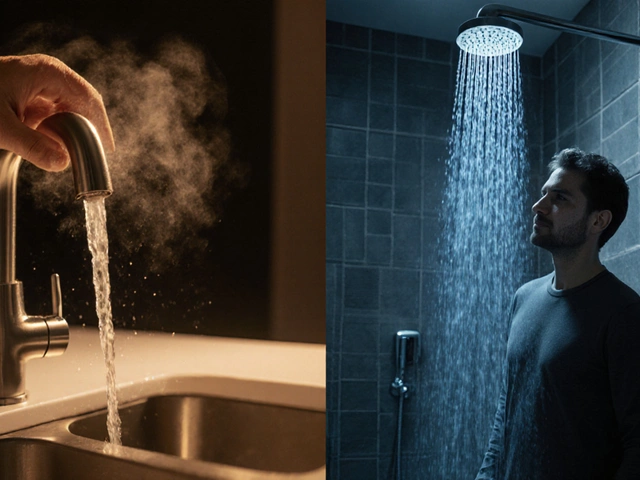
Discover why hot water reaches your sink but not the shower, learn the common causes, DIY fixes, and when to call a plumber for a reliable solution.
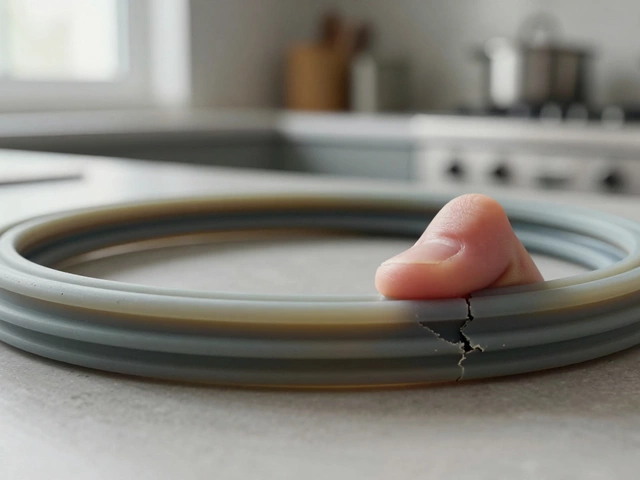
The most common pressure cooker problems are leaking steam, bad seals, clogged valves, and lid issues. Learn how to diagnose and fix them yourself before replacing your cooker.