

When your major appliances, essential home devices like boilers, water heaters, ovens, and dryers that run on electricity or gas and are critical to daily living. Also known as household appliances, they’re the quiet backbone of your home—until they stop working. Suddenly, you’re without hot water, heat, or a functioning oven. And no, pressing the reset button again won’t fix it if the thermostat is fried or the gas valve is clogged. These aren’t small gadgets you can swap out in an afternoon. They’re big, expensive, and often tied to your home’s core systems.
That’s why knowing the difference between a quick fix and a full replacement matters. A boiler, a central heating unit that circulates hot water or steam through radiators might be leaking because of a worn pump, not because it’s 15 years old. But if it’s older than 12 and costing you more in repairs than in energy bills, it’s probably time to replace it. Same goes for your water heater, a tank or tankless unit that heats water for showers, sinks, and laundry. If it’s rattling, rusting, or running out of hot water in five minutes, it’s not just annoying—it’s wasting money. And don’t assume a 20-year-old water heater is a hero. Most last 10–15 years. After that, efficiency drops fast.
Then there’s the oven, a kitchen appliance used for baking and roasting, often controlled by a delicate electronic board. When it stops heating, it’s rarely the element. More often, it’s the control board failing—or a safety fuse tripping because of a power surge. And your tumble dryer, a machine that removes moisture from clothes using heat and airflow? It can last 10–12 years if you clean the lint trap every load. Skip that, and you’re asking for a motor burnout or even a fire. These aren’t throwaway items. They’re investments. And when they break, you need to know whether to call a pro or just wait for the warranty to expire.
What you’ll find below isn’t a list of random fixes. It’s a real-world guide built from hundreds of repairs done right here in Bognor Regis. From diagnosing a boiler fault code to figuring out if your electric hob is worth fixing, these posts cut through the noise. You’ll learn what actually causes your water heater to trip, how much a boiler repair costs in 2025, and whether your 15-year-old oven should be saved—or replaced. No fluff. No sales pitches. Just clear, practical answers from people who’ve seen it all.
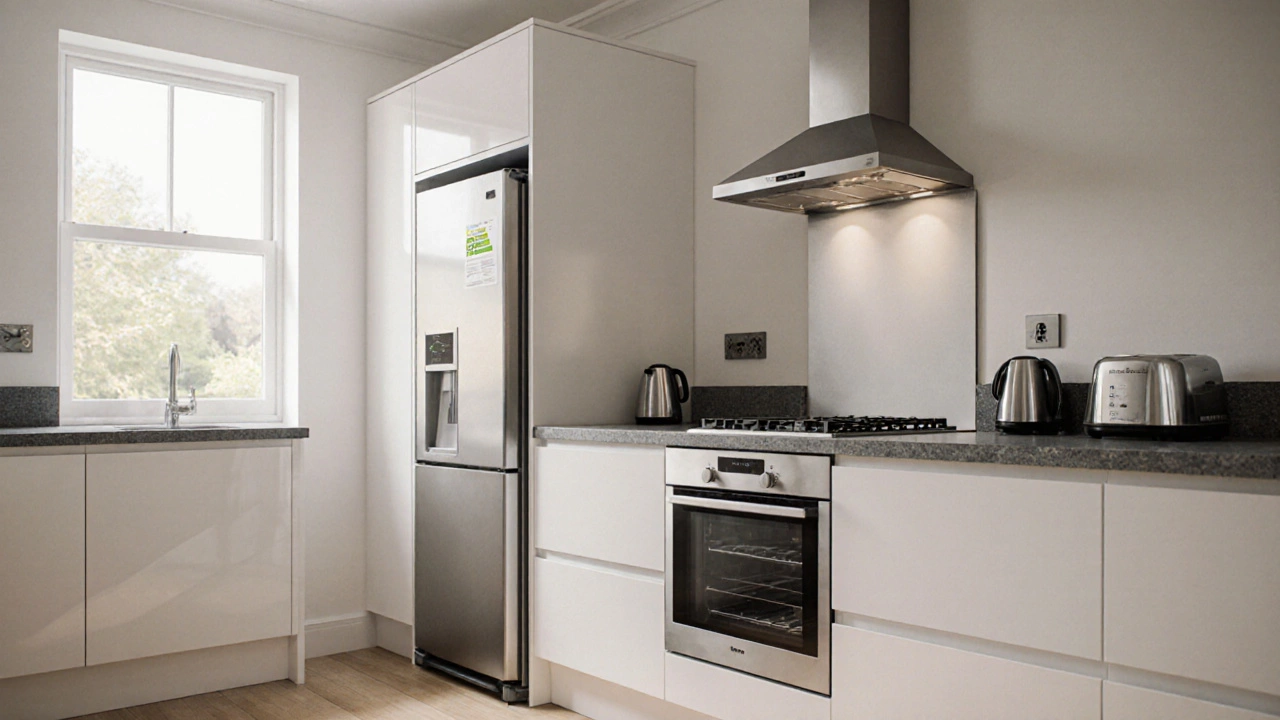
Learn what qualifies as an appliance in UK homes, including major vs. small appliances, what doesn't count, and why the distinction matters for repairs and insurance. Clear, practical guide for homeowners.

Can you replace an electric hob element? Absolutely! This hands-on guide dives into safe, practical steps for swapping out faulty burners and keeping your electric hob in top shape.
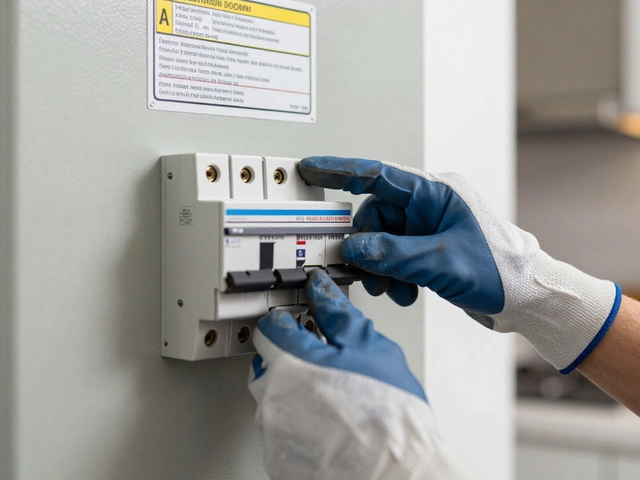
Learn how to safely fix a burnt electric hob by checking the element, testing with a multimeter, replacing parts, and preventing future damage. Avoid fire risks with these step-by-step tips.
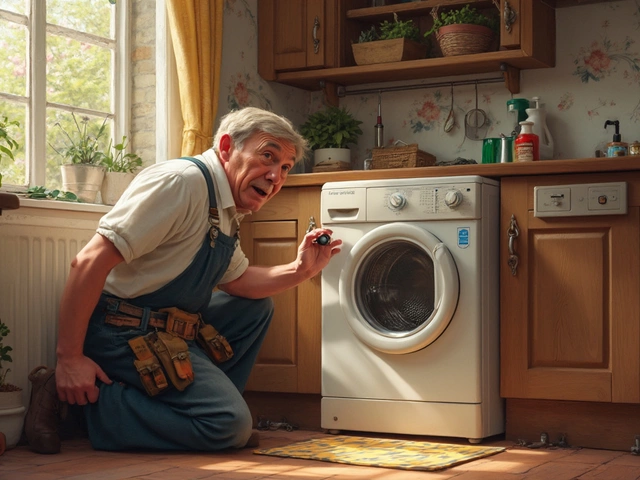
An appliance technician plays a crucial role in keeping household and commercial appliances running smoothly. They diagnose issues, perform necessary repairs, and offer maintenance tips to prevent future problems. Understanding their responsibilities helps in appreciating their importance. This article provides insights into the day-to-day duties of an appliance technician and offers tips for those aspiring to join this field.
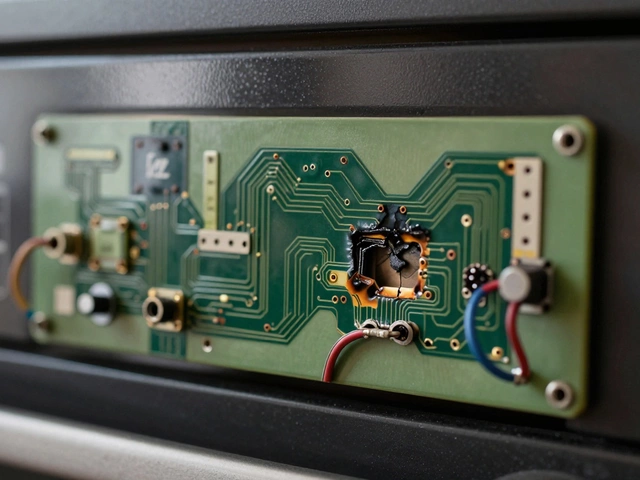
Learn the clear signs your electric oven's control board is failing, how to test it, what to check first, and whether to repair or replace. Save time and money with practical, real-world advice.

Wondering when to replace your cooker? This article breaks down the real signs that your cooker is on its last legs, what affects its lifespan, and how to keep it running safely for longer. Get practical tips straight from real-life experience and find out how to spot issues before they turn expensive. Whether you use gas or electric, knowing when to repair or replace makes all the difference in your kitchen.