

Ever wonder how low the temps can drop before your heat pump quits? It’s a common worry, especially here in the UK where a sudden chill can hit overnight. The short answer is that most modern air‑source heat pumps keep working down to about -15°C (5°F), but performance does dip as it gets colder. Knowing the limits helps you plan maintenance and avoid surprise breakdowns.
Heat pumps pull heat from the outside air (or ground) and move it inside. When the air gets colder, there’s less heat to steal, so the unit has to work harder. This means a drop in the coefficient of performance (COP) – the ratio of heat output to electricity used. Below the manufacturer’s rated low‑temperature point, the pump may still run, but you’ll see lower heating output and higher electricity bills. In extreme cold, some units switch to an auxiliary electric heater to keep rooms warm, which can spike costs.
1. Choose the right model. Look for a heat pump with a proven low‑temp rating – many newer “cold‑climate” models are tested down to -20°C. Check the spec sheet before buying.
2. Maintain clear airflow. Snow, leaves, or garden debris can block the outdoor fan. Keep the unit fenced off and clear the area regularly, especially after a storm.
3. Upgrade the refrigerant. Some manufacturers now use R‑32 or other blends that perform better at low temps. Ask your installer if a retrofit is possible.
4. Use a backup heater wisely. If your system has an electric boost, set it to kick in only when the indoor temperature falls below a comfortable level. That saves energy while still keeping you cozy.
5. Schedule seasonal service. A professional check‑up before winter can catch low‑noise fan issues, refrigerant leaks, or worn‑out compressors that become critical in the cold.
By understanding the lowest temperature your heat pump can handle and taking these simple steps, you’ll keep your home warm without wasting power. If you notice a sudden drop in heat output or strange noises, it’s time to call a local expert. Our team at Bognor Regis Appliance Repair Experts can inspect, service, or repair your heat pump to make sure it fights the chill all season long.
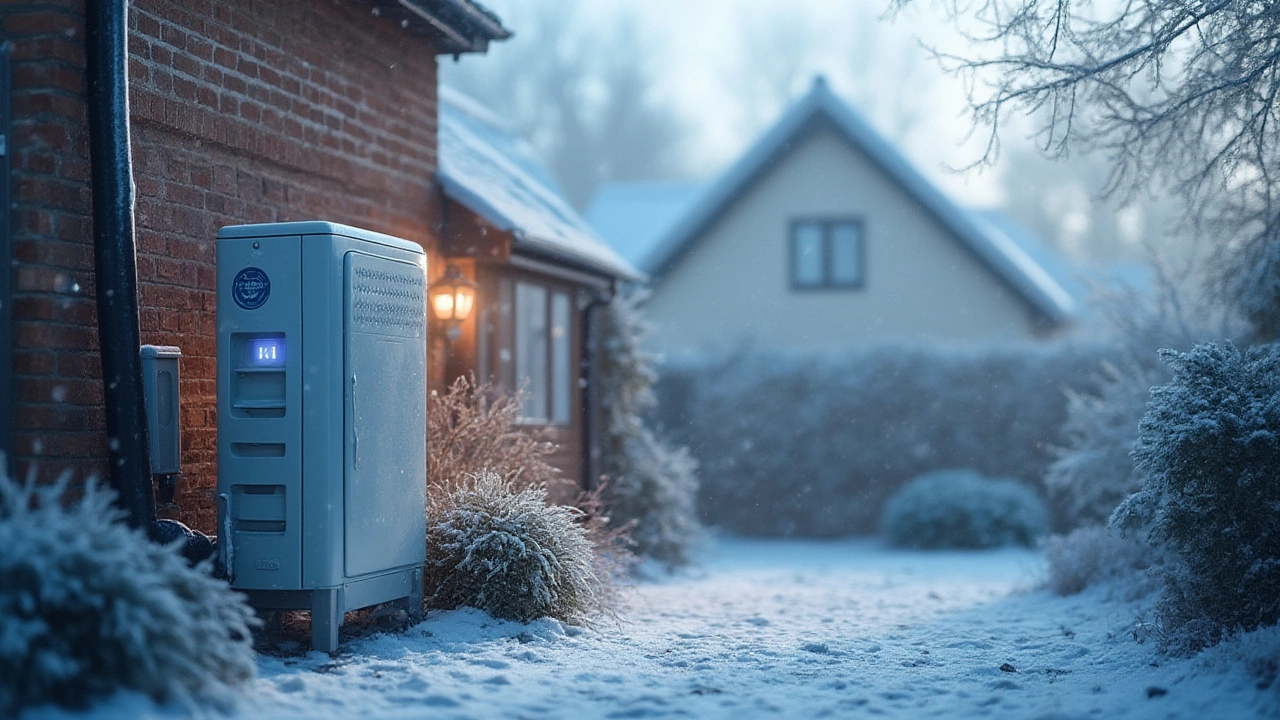
Wondering what temperature makes a heat pump stop working well? Learn the cold limits, key facts, and expert tips for running heat pumps in harsh winters.

Repairing a glass hob is an essential task for maintaining a functional and modern kitchen. The cost of fixing a glass hob can vary greatly depending on the damage's severity and the required repair type. This article delves into the various factors influencing repair costs, from crack treatment to replacement solutions. It also provides tips for maintenance to prolong the lifespan of your hob and prevent future damage.
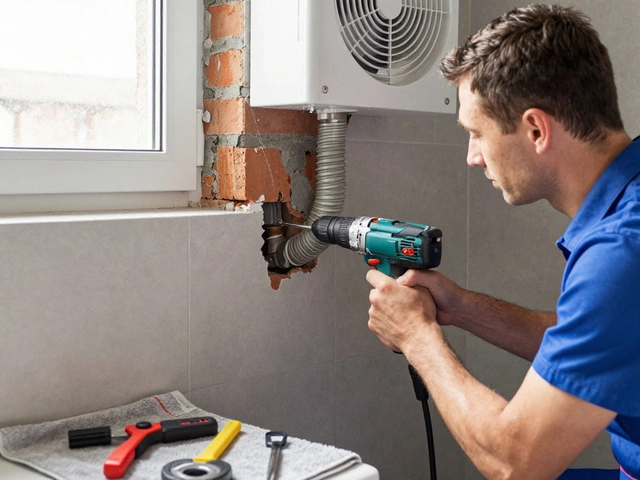
Can a plumber fit an extractor fan? While they can install the unit, only a qualified electrician can legally and safely handle the wiring. Learn what you need to know before hiring anyone.

Discover what causes heat pumps to break down, the warning signs, and how to keep yours running smoothly with practical tips for any homeowner.

Want to know how much Geek Squad at Best Buy will charge for fixing your laptop? This article breaks down their pricing and services, so you know exactly what to expect before you hand over your device. You'll learn what affects the cost, whether a protection plan is worth it, and get the lowdown on real-life repair scenarios. Plus, there are tips to help you save some cash or avoid common headaches. No tech jargon or fancy lingo—just straight answers.

Discover how to ensure your water heater is in proper working condition with this detailed guide. Learn to identify signs of malfunction, perform essential maintenance tasks, and understand common issues that may arise. Whether it's electric or gas, having a reliable water heater is crucial for every home. Keep your heater running smoothly with practical and safety-focused advice.