

Knowing how many years you can expect from a washing machine, fridge, or boiler helps you plan budgets and avoid nasty surprises. It’s not just about the purchase price; the hidden cost of a sudden breakdown can be huge. Below you’ll get the real‑world lifespans most UK homes see, plus quick clues that tell you when an item is on its way out.
Heat pumps – whether air‑source or ground‑source – usually stick around 12‑15 years if you keep up with filter changes and annual servicing. A well‑maintained refrigerator can keep cooling for 10‑12 years, but once the compressor starts making rattles, you’re already halfway to the end. Electric ovens and hobs tend to hit the 10‑year mark; the heating element is the part that quits first, and swapping it out is cheap compared to a full replacement.
Washing machines often surprise owners by lasting 8‑12 years before the motor or drum starts leaking. Dishwashers sit in a similar range, but cheap models may need attention after just five years. Water heaters (both electric and gas) have a longer story – many reach 10‑15 years, with a handful even hitting the 30‑year milestone if the anode rod is refreshed regularly.
Extractor fans in kitchens or bathrooms usually need a fresh set every 7‑10 years. Look for reduced airflow, strange noises, or a constant humming sound – those are the tell‑tale signs it’s time for a swap. Boilers, the heart of most UK heating systems, often serve for 12‑15 years. If you notice frequent pressure drops or iron‑taste water, the internal components may be wearing out.
Start by checking the cost of the fix. If a repair costs more than half the price of a new unit, replacement usually makes sense. For example, a cracked oven element might be £30‑£50, but a burnt‑out motor in a washing machine can be £200‑£300 – that’s a good cue to look for a new machine.
Listen for warning noises and watch for performance drops. A fridge that takes longer to reach set temperature, or a heat pump that stops blowing warm air, often signals a deeper issue than a simple filter change. In those cases, a professional diagnosis can save you from endless DIY attempts.
Don’t forget energy efficiency. Newer models generally use less power, so even if a repair seems cheap, you might lose out on lower bills over the next few years. When you’re close to the typical lifespan – say a 10‑year‑old dishwasher – compare the annual running cost of the old unit with the splash‑price of a modern, energy‑star model.
Bottom line: keep a simple log of purchase dates, service visits, and any recurring problems. When you see a pattern of frequent fixes, it’s probably time to retire the appliance. A little foresight now means fewer emergency calls later, and your home stays running smoothly without breaking the bank.

Discover how long extractor fans last, what shortens their life, and tips to maximize their lifespan in your kitchen or bathroom. Practical, clear advice from real experience.
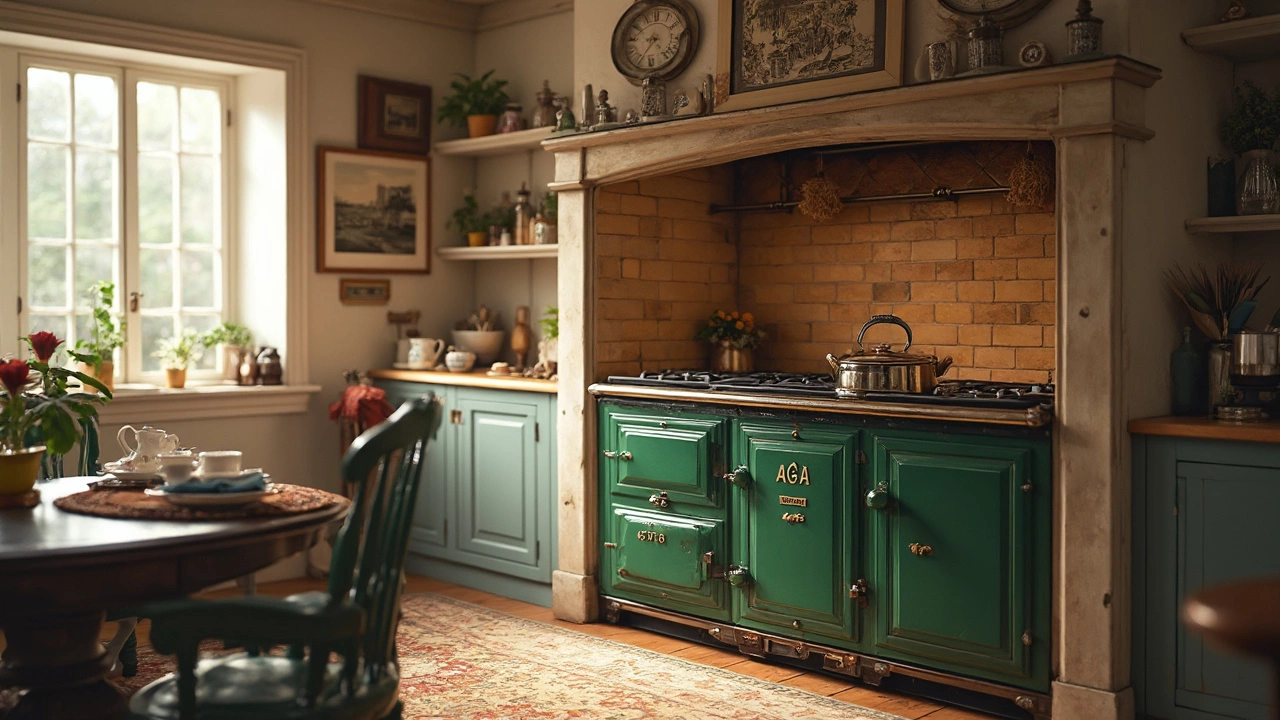
Ever wondered how long your trusty range oven will last? On average, a well-maintained range oven can serve you for about 10 to 15 years. Routine cleaning and minor repairs can help extend its lifespan. Knowing when to repair or replace your oven is crucial for efficiency and safety. Read on for practical tips to make sure your oven lasts as long as possible.
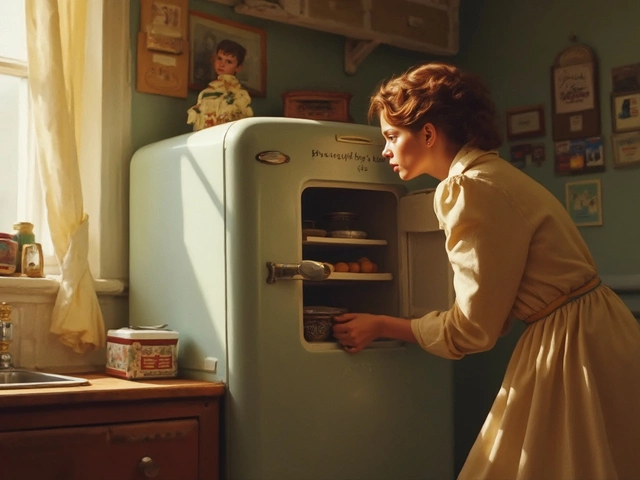
Fixing your fridge on your own can be a real money-saver if you know where to start. First, you've got to figure out what's actually wrong before grabbing your toolbox. With some basic tools and a little patience, you might just handle common issues like leaks, noisy operation, or poor cooling effectively. But sometimes, you also need to know when it's time to bring in a professional.

Cracks in electric hobs can show up suddenly and cause real headaches in the kitchen. This article looks at why electric hobs crack, from common mistakes to sneaky issues with installation. You'll get practical tips on how to prevent damage and handle minor cracks. Find out when you can fix a hob yourself and when it's smarter to call for professional help. Stay ahead of costly repairs and keep your cooking space safe.

Repairing an extractor fan can seem daunting, but with the right guidance and tools, it's a task that can be tackled with confidence. This article walks you through the essential steps of diagnosing common issues, the tools needed for basic repairs, and tips for maintaining your fan in top condition. Whether in a kitchen or bathroom, keeping your extractor fan functional ensures optimal ventilation and air quality. Learn when a repair is possible and when it might be time to seek professional help.

Who pays for boiler maintenance? Landlords must cover it for tenants. Homeowners pay for everything. Warranties don't cover servicing. Annual checks are legally required and save lives.
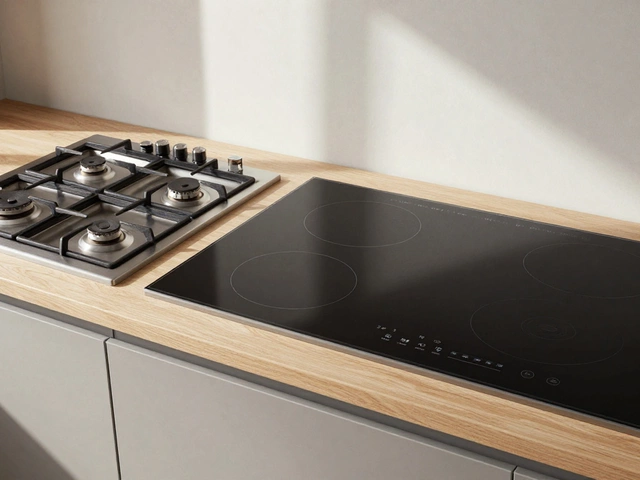
Discover how long different hobs last, from gas to induction. Learn signs of failure, repair vs. replacement costs, and maintenance tips to extend your cooktop's life.