

Accidentally walking out of the house with the oven still heating is more common than you think. The heat builds up, the electricity keeps drawing power, and before you know it you could be facing a burnt kitchen, a raised electricity bill, or even a fire. Below we break down the real risks, the quick actions you should take, and the habits that keep you safe.
When an electric oven stays on, the heating element continues to glow at full power. That means two things: a lot of heat fills the oven cavity and a constant stream of electricity flows through the wiring. If anything inside the oven catches fire – a forgotten pizza crust, a plastic utensil, or even an old rag – the heat can fan the flames quickly. In addition, prolonged heating can warp the oven’s interior, damage the thermostat, and wear out the heating element faster than normal.
From a cost viewpoint, an oven left on for even an hour can use up to 2‑3 kWh of electricity. That’s a noticeable bump on your bill, and if it happens repeatedly you’ll be paying for wasted energy and a shorter appliance lifespan.
1. Turn it off immediately. Reach for the oven’s control knob or digital panel and hit the off or cancel button. If the oven has a “stop” or “cancel” key, use that – it cuts power straight to the element.
2. Open the door. Doing so releases hot air, cools the interior faster, and reduces the chance of a fire spreading.
3. Check for smoke or fire. Look inside for any signs of burning food, melted plastic, or smoke. If you see flame, close the door, keep the oven off, and call the fire brigade if it doesn’t die down.
4. Let it cool. Give the oven at least 30‑45 minutes to drop to a safe temperature before touching any internal parts.
5. Assess the damage. Once cool, test the oven by turning it on for a short cycle. If it heats normally, you’re probably fine; if the element stays cold or the thermostat seems off, call a professional.
Simple habits can stop most “oven left on” incidents. Set a kitchen timer every time you start cooking – even a 10‑minute reminder helps you remember to check the oven. Many modern ovens have a “stay‑on” reminder that beeps after a set period; enable it if your model supports it.
Place a sticky note on the oven knob or front panel with a quick “ON?” reminder. It sounds old‑school, but visual cues work wonders.
If you’ve got a smart oven, link it to your phone. You can receive push notifications when the oven is heating for longer than you expected.
Lastly, keep a fire blanket or a small kitchen fire extinguisher nearby. Knowing you have a safety tool can reduce panic if something does go wrong.
When in doubt, especially if the oven shows any odd smells, irregular heating, or error codes, don’t gamble. Our team at Bognor Regis Appliance Repair Experts can diagnose a faulty thermostat, replace a burnt element, or give you a full safety check. A quick call saves you from a possible fire and keeps your oven running efficiently for years.
Bottom line: turning off the oven right away, letting it cool, and checking for damage are the first steps. Pair those actions with timers, reminders, and smart‑home alerts, and you’ll rarely forget that oven is on again.

Leaving an electric oven on overnight sounds harmless, but it could spell real trouble. Learn the risks, facts, and safer options for your late-night cooking needs.

Discover practical solutions to restore hot water in your shower with ease. Learn about common problems affecting water heaters and the steps to troubleshoot each issue. This guide will walk you through changing settings, checking components, and knowing when to call a pro. Take control of your hot water system and enjoy a soothing shower experience once again. Ideal for homeowners facing frustrating lukewarm showers.
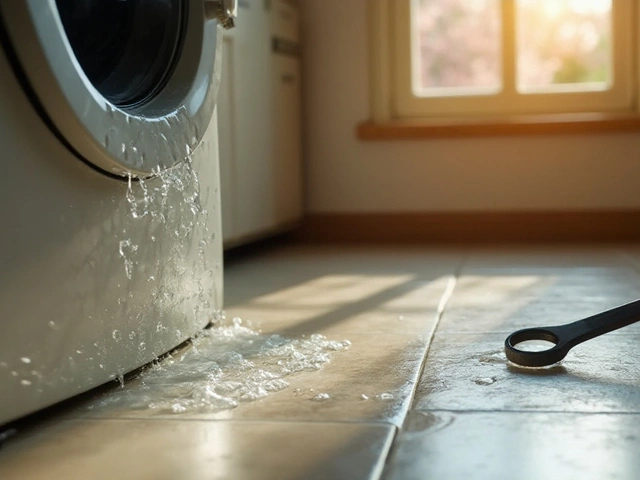
Washing machines are among the most used household appliances, making them prone to various problems over time. This article explores the most frequent issues like leaks, drainage problems, and strange noises. Understanding these problems can help in diagnosing issues quickly and considering effective repairs. The article also offers helpful tips to maintain your machine and keep it running efficiently for years. Simple maintenance steps can prevent most common problems from occurring.
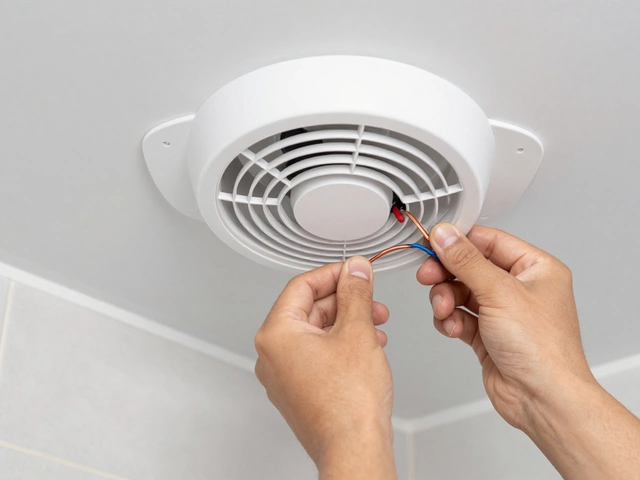
Wondering who should install your extractor fan? Learn when to hire an electrician, HVAC tech, or handyman for safe and efficient ventilation installation.

If your cooker suddenly stopped working, it might be due to a range of reasons from electrical issues to simple user errors. Understanding the root cause is key to fixing the problem efficiently. In this article, we explore common reasons why cookers fail and offer practical troubleshooting tips to get your appliance working again. From checking the power supply to examining electrical components, we cover it all. Get your cooker back up and running with our straightforward guide.

Learn how often to flush your water heater, why it matters, signs it's time, mistakes to avoid, and simple steps to, maintain hot water at home.