

Ever wonder why your washing machine suddenly starts making weird noises or smells funky? Most of the time it’s not a major failure – it’s just everyday wear and tear that you can stop early with a few simple habits. Below are the top tricks that keep your washer humming happily and your laundry smelling fresh.
First off, treat your machine like a piece of furniture you’d clean weekly. Wipe the door seal after each load – that rubber ring traps water and lint, and a quick dry prevents mold and bad odors. Leave the door slightly ajar for a few hours after a wash to let the interior air out.
Second, don’t overload. Most people think cramming more clothes saves time, but it stresses the motor and shortens the drum’s lifespan. Follow the manufacturer’s weight limit – usually around 7‑8 kg for a standard front‑loader. If the machine struggles, you’ll hear it straining, and that’s a red flag.
Third, watch the detergent dosage. Too much soap creates extra suds that linger in the drum, leading to buildup and a musty smell. Use the recommended amount for your load size and water hardness. If you have hard water, consider a water‑softening tablet or a low‑sudsing detergent.
Fourth, clean the filter regularly. The lint filter catches fibers and hair, and a clogged filter can cause drainage problems. Most washers have a small access panel near the bottom; empty it every month and rinse with warm water.
Finally, run a maintenance cycle once a month. Most modern machines have a “clean tub” option – just add a cup of white vinegar or a dedicated washing‑machine cleaner and let it run empty. This removes residue, kills mold, and keeps the drum shiny.
Even with the best care, parts wear out. If you notice any of these signs, it’s time to get a professional involved:
Our local experts in Bognor Regis can diagnose these problems quickly. A typical repair for a bearing or pump costs far less than replacing the whole unit, especially when your washer is still within its average 10‑12 year lifespan.
Remember, regular maintenance isn’t just about avoiding breakdowns – it also saves energy. A well‑balanced, clean machine uses less water and electricity, lowering your bills and your carbon footprint.
So next time you toss a load, take a minute to check the seal, use the right detergent amount, and keep the filter clean. Small steps now mean fewer emergency calls later and fresh laundry every time.

Dryers are workhorses in the laundry room, but they aren't immune to problems. This article breaks down the most common issues found in tumble dryers, from weird noises to clothes that just won't get dry. You'll find straightforward explanations for why these problems happen and learn some practical tips to fix or prevent them. Plus, get the inside scoop on when you should call for a pro. Save money, avoid headaches, and keep your dryer running smoother for longer.

When facing a broken boiler, many homeowners find themselves debating the merits of repairing versus replacing. Considering factors like costs, age of the boiler, frequency of issues, and energy efficiency can help make an informed decision. Exploring repair benefits as a cost-saving solution might be worthwhile for some, while others may find replacement offers better long-term advantages. Understanding your system's specific needs ensures optimal performance during the colder months.

Gas hobs can suddenly stop working for a bunch of reasons, from ignition troubles to blockages or problems with gas supply. This article breaks down the main causes, so you don't have to guess what went wrong. You'll learn easy troubleshooting steps and a few quirky facts about why these appliances get stubborn. With some quick checks, you might even save yourself a call to the repair guy. Know when it’s a simple fix and when it’s time for a pro.
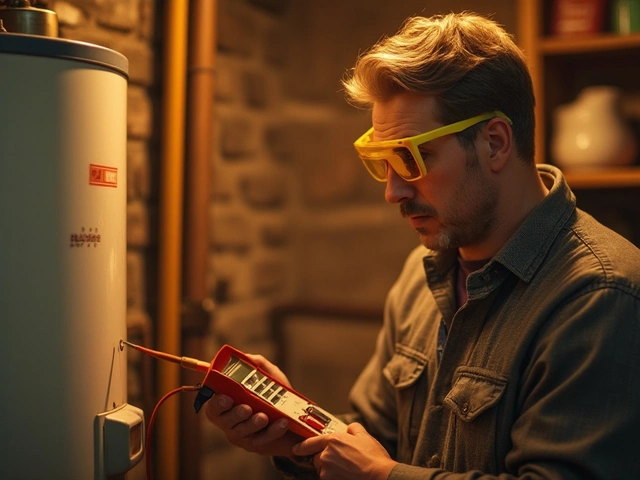
Diagnosing a faulty hot water heater element can seem daunting, but it's an essential skill for any homeowner. Key indicators like water temperature issues, noises, and prolonged heating cycles are telltale signs of a bad element. This article provides practical advice on how to inspect and test your heater element using accessible tools. Also included are safety tips and maintenance recommendations to extend the lifespan of your water heater.

Deciding whether to repair or replace a laptop can be challenging. This guide explores the costs, benefits, and considerations involved in repairing a laptop. Learn when it's worth diving into a repair and when it's best to shop for a new device, along with tips on DIY repairs and choosing a reliable repair service.

When your fridge stops cooling, it can be a real worry, especially with all that food at risk. Before you call the repairman, there are a few steps you can try yourself to bring your refrigerator back to life. From checking the thermostat settings to cleaning coils and examining door seals, you might find that a simple DIY fix does wonders. Understanding how these appliances work can also help prevent future hassles. This guide will walk you through the essential tips and tricks to get your fridge cooling again.