

If your laptop feels sluggish or you notice dust building up, it's time for a quick maintenance session. Regular care costs less than a repair and can add years to your device’s life. Below are the must‑do tasks you can finish in under an hour.
Start with a soft, lint‑free cloth slightly dampened with water or a 50/50 water‑isopropyl mix. Wipe the screen, lid, and ports—avoid spraying directly on the laptop. For the keyboard, turn the device upside down and shake out crumbs, then use a can of compressed air to blast hidden particles from between the keys. A quick brush‑type cleaner can sweep away surface grime without scratching the keys.
Dust is the biggest enemy of cooling fans. If you feel the laptop getting hot, power it down, remove the battery (if removable), and use compressed air to blow through the air vents. Aim the nozzle at an angle to push dust out, not deeper into the machine. For deeper cleaning, you may need to open the back panel—just check your model’s guide first.
Cleaning the fans once every six months keeps temperatures low and performance high. When you hear unusual fan noise, it’s a sign the fan blades might be clogged.
Software updates are as important as physical cleaning. Set Windows Update (or macOS Software Update) to install automatically. Regularly update drivers, especially graphics and chipset drivers, because outdated drivers can cause crashes and slowdowns.
Run a trusted anti‑virus scan weekly and clear temporary files. You can use the built‑in Disk Cleanup (Windows) or Optimize Storage (macOS) to delete old logs, caches, and downloads you no longer need.
Battery life drops when you keep the laptop plugged in all the time. Try to keep the charge between 20% and 80% for daily use. If you store the laptop for a long period, leave the battery at about 50% and turn it off.
Calibrate the battery once a year: fully charge, then let it discharge to shutdown, and recharge to 100% without interruption. This helps the system read the real capacity accurately.
Even the best‑maintained laptop can fail unexpectedly. Use an external drive or cloud service to back up important files every week. Windows has File History, macOS offers Time Machine—both are easy to set up and run in the background.
Having a recent backup means you won’t lose work if the hard drive starts making strange noises or the OS crashes.
By following these five steps—cleaning, dust removal, software updates, battery care, and backups—you’ll notice smoother performance, cooler operation, and fewer surprise breakdowns. Spend a little time each month, and your laptop will repay you with reliable service for years to come.

Wondering if that decade-old laptop should stick around or be kicked to the curb? This article dives into the practicality, challenges, and potential of keeping a 10-year-old laptop. With tips on upgrading components, performance tweaks, and sustainability, you'll discover whether holding on to an old device is a wise choice. Including pros and cons, this guide offers straightforward advice for the tech-savvy and beginners alike. Explore the balance between nostalgia and functionality in the ever-evolving world of technology.

Deciding whether to repair or replace a laptop can be challenging. This guide explores the costs, benefits, and considerations involved in repairing a laptop. Learn when it's worth diving into a repair and when it's best to shop for a new device, along with tips on DIY repairs and choosing a reliable repair service.

Got a cold oven? Learn if you can swap that faulty heating element yourself, what tools you'll need, and exactly what to watch out for. Easy fixes, with real-life tips.

If you've ever found yourself wondering whether your freezer is on the fritz, you're not alone. Identifying the warning signs of a broken freezer is crucial in preventing food spoilage and costly repairs. This article delves into the common symptoms of a faulty freezer, how to troubleshoot these issues, and when to call a professional for help. Equipped with practical tips and insights, you'll be better prepared to ensure your frozen goods remain safe and your appliance functions efficiently.

Refrigerators are a crucial part of our daily lives, and when they malfunction, it can be a real headache. One of the most common repairs involves fixing the refrigerator's cooling system. Often, issues arise from problems with the condenser coils, which can become dirty or worn out over time. By understanding these common problems, homeowners can better maintain their appliances, potentially saving time and money.
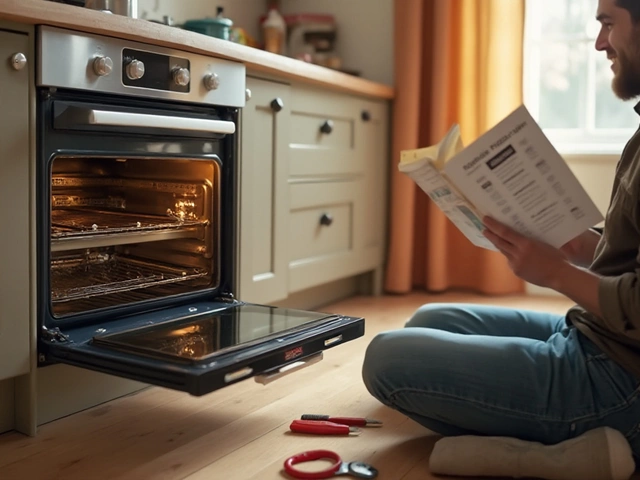
If your electric oven isn't heating properly, it might be time to replace the heating element. Understanding the costs and what's involved in the repair process can help you make informed decisions. This article dives into the factors affecting replacement costs, step-by-step guidance on how to change the element, and practical tips to ensure your oven runs smoothly. With these insights, you can tackle the repair yourself or hire the right professional for the job.

Wondering if it's worth repairing your electric oven or if you should just buy a new one? This article dives into the factors to consider, from cost effectiveness to the age of your appliance, helping you make an informed decision. We'll discuss common issues that can be fixed, when to call in a pro, and some smart tips to extend the lifespan of your oven. By the end, you'll know whether fixing or replacing is the better choice for your situation.