

Got a kitchen that’s acting up? Most of the time you can sort out the problem yourself without waiting for a technician. Below you’ll find straight‑forward steps for three of the most common kitchen hiccups: an oven that won’t heat, a faulty electric hob element, and a sluggish extractor fan. Grab a screwdriver, read the safety notes, and let’s get your kitchen back on track.
When your oven stays cold, the first thing to check is the heating element. Unplug the oven, remove the back panel, and look for any visible cracks or breaks. A damaged element is cheap to replace – usually under £30 – and you can do it in under an hour. If the element looks fine, the next suspect is the oven thermostat. A faulty thermostat can misread the temperature and shut off heating early. You can test it with a multimeter; a reading of zero or infinity means it’s dead and needs swapping.
Another frequent culprit is a blown fuse or tripped circuit breaker. Before opening anything, make sure the power is off, then check the fuse box. Reset any tripped breakers and see if the oven powers up again. If the oven still won’t heat, it might be a wiring issue inside the control board – that’s when calling a professional is safest.
Electric hobs are great, but a single burner can give up on you. First, turn off the main supply and wait a few minutes for the circuit to discharge. Remove the hob’s top cover – it’s usually clipped or screwed on – and locate the faulty element. Pull the connector off, unscrew the element, and replace it with an exact match (check the model number on the old part). Re‑assemble, turn the power back on, and test each burner. Most people finish this in 20‑30 minutes.
For extractor fans, a loss of suction often means the filter is clogged or the motor bearings are worn. Start by cleaning or swapping the charcoal filter; a good soak in hot soapy water usually restores flow. If that doesn’t help, open the fan housing (again, after disconnecting power) and give the blades a quick wipe. Check the motor for any odd noises – grinding usually means the bearings need greasing or the motor has to go. A fresh motor can be bought for around £50 and fits most kitchen fans.
While you’re tackling these fixes, keep safety front‑and‑center: always unplug appliances, wear gloves, and never force a part that feels stuck. If at any point something feels beyond your comfort level, it’s wise to call Bognor Regis Appliance Repair Experts. They can sort out tricky electrical issues fast, saving you from costly mistakes.
In the end, most kitchen repairs are about spotting the obvious – a broken element, a clogged filter, or a tripped breaker. With a few tools and a bit of patience, you’ll have your oven heating, hob burners glowing, and fan pulling fresh air again. Next time something goes wrong, give these steps a try before you pick up the phone.

Wondering if you should throw out your seven-year-old oven or give it a second chance? This article breaks down when it makes sense to fix an older oven, what problems are easy or tough to repair, and how much money you might actually save. Get straight answers on costs, lifespan, and smart ways to keep your oven running. No fluff—just helpful facts and real advice you can use.
An electric hob on the fritz can leave you in a lurch, but knowing how much it costs to fix can help you prepare. We'll break down the average repair costs, consider factors like brand, parts, and labor, and help you decide if a repair or replacement makes more sense. Get the inside scoop on typical issues that might arise and how to avoid them in the future. With this guide, you'll feel more confident when talking to repair technicians and won't be caught off guard by unexpected expenses.
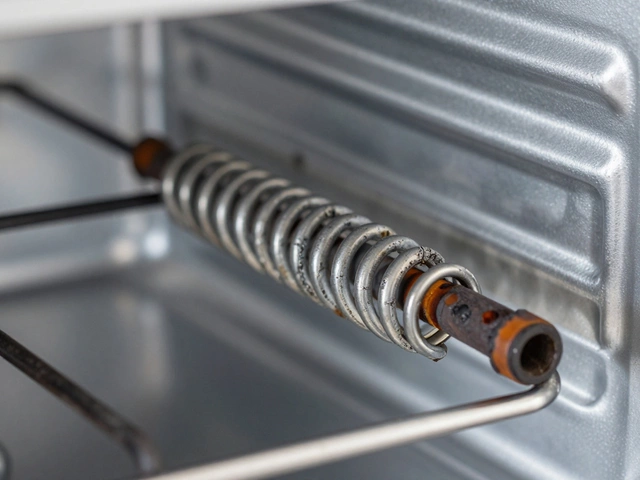
Find out exactly how much it costs to replace an oven heating element in the UK in 2026. Compare DIY vs professional repair prices, learn signs of failure, and decide if repair is worth it.

Thinking about swapping out your electric oven? This article covers how tough the job really is, where people usually get stuck, and what you actually need to know. We break down what tools you really need, what pitfalls you can avoid, and when you should probably call someone who’s done it before. Get ready for straight talk—no tech jargon, just real advice for regular folks. Whether you DIY or call a pro, you’ll walk away ready to make a smart decision.

If your electric oven suddenly stops working, don't panic. This article explores common issues with electric ovens and provides practical tips for troubleshooting and repair. From understanding how different components work to knowing when it's time to call a professional, you'll find the go-to advice you need to get your oven back in working order. Avoid the hassle of guesswork and get straightforward guidance on keeping your kitchen running smoothly. Practical insights on oven maintenance await you.
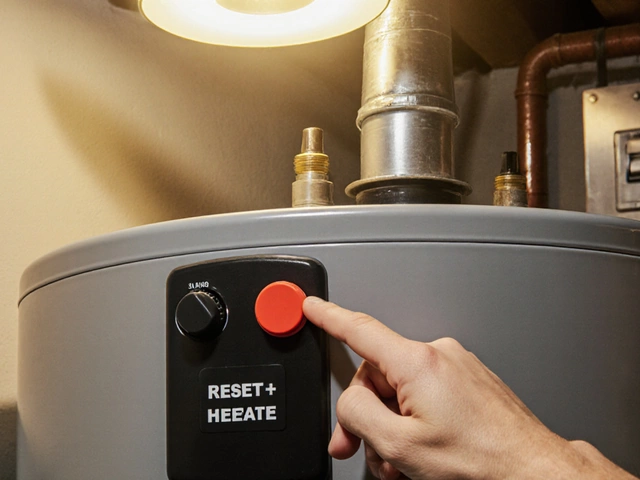
Learn how to safely reset both electric and gas hot water heaters, troubleshoot common issues, and know when to call a professional.