

Ever notice a stale, greasy smell lingering after you cook? Chances are your kitchen fan (extractor) is clogged with grease and dust. A dirty fan not only smells bad, it works harder, uses more power, and can even become a fire hazard. The good news? Cleaning it is easier than you think and takes less than an hour.
Most experts say a quick wipe‑down every month is enough to keep surface grime at bay. For heavy cookers – think fried dishes, frequent grilling, or a busy family kitchen – aim for a deeper clean every 3‑4 months. If you see reduced suction, louder noise, or the light on the fan flickers, it’s a clear sign you need to act now.
1. Gather your tools. You’ll need a screwdriver (usually Phillips), a soft brush or old toothbrush, a spray bottle with warm soapy water, paper towels or a clean rag, and a bucket for any removable parts.
2. Turn off power. Safety first – switch off the fan at the wall or circuit breaker. Even if the fan looks harmless, you don’t want any surprise shocks.
3. Remove the cover. Most extractor fans have a metal or plastic grille that snaps or screws off. Keep the screws in a small container so they don’t roll away.
4. Soak and scrub. Place the grille in a bucket of warm soapy water for a few minutes. Then use the brush to scrub away baked‑on grease. For stubborn spots, apply a bit of kitchen degreaser or a mix of vinegar and baking soda.
5. Clean the fan blades. If your model allows, remove the fan blades (usually just a couple of clips). Wipe each blade with a damp rag. Avoid getting water inside the motor housing – just a quick surface clean is enough.
6. Check the filter. Many fans have a replaceable charcoal or mesh filter. If yours is washable, rinse it under hot water and let it air‑dry. If it’s a carbon filter, replace it according to the manufacturer’s schedule.
7. Reassemble and test. Snap the grille back on, tighten any screws, restore power, and turn the fan on. You should hear a smoother, quieter operation and notice better airflow.
That’s it – a clean fan in under an hour. Regular maintenance not only keeps odors away but also extends the life of the motor, saving you money on costly repairs.
Quick tips to remember:
By making kitchen fan cleaning a habit, you’ll enjoy a fresher cooking space, lower energy bills, and peace of mind that your home is safe from hidden fire risks. Need help or a professional touch? Our Bognor Regis Appliance Repair Experts are just a call away – we’ll clean, repair, or replace your fan fast and at a fair price.

Struggling with a kitchen extractor fan that's lost its power? This guide explains how to find and fix common blockages that cause bad smells and poor airflow. Learn step-by-step how to safely clean your fan and make it work like new, plus get handy maintenance tips to stop future clogs. We break down the process so you don't need tools or special skills. Get your kitchen back to normal without calling in an expert.

When your water heater only puts out cold water, it’s more than just annoying—it can point to real problems inside the unit. This article breaks down the most common reasons behind a water heater that refuses to warm up, from tripped breakers to busted heating elements. You’ll find tips on quick checks you can do at home before calling a pro, plus some unexpected facts about how water heaters really work. Knowing what’s wrong can save you from a frigid morning shower and a giant repair bill. Get ready to tackle that cold water problem with practical advice you can use right away.
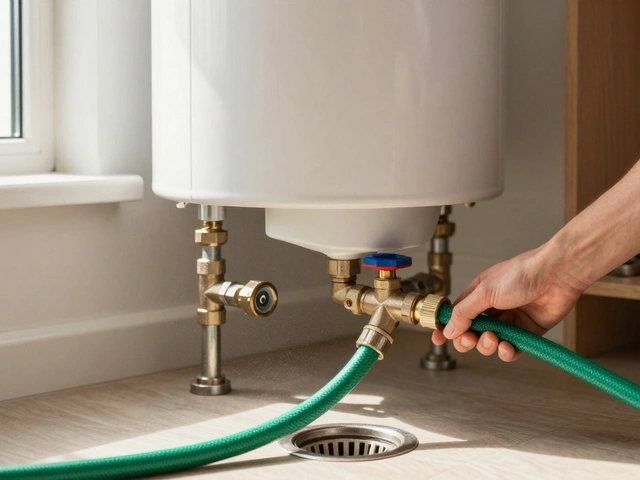
Learn essential water heater maintenance tasks like flushing sediment, checking the anode rod, and testing safety valves to extend lifespan and improve efficiency.
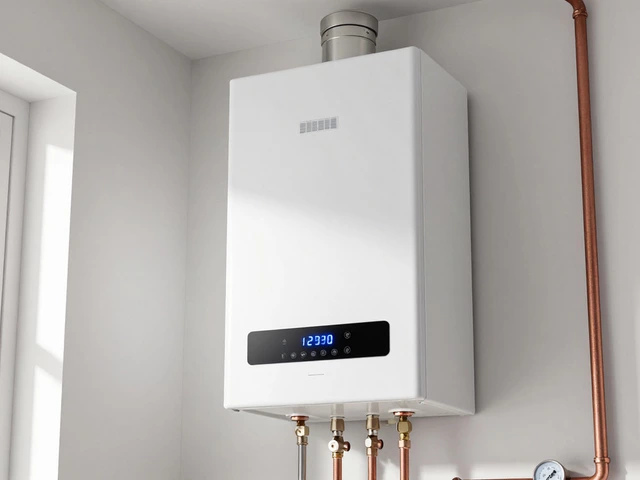
Discover why annual boiler servicing is essential for safety and efficiency. Learn what to expect during a check, warning signs to watch for, and how to save money on energy bills.
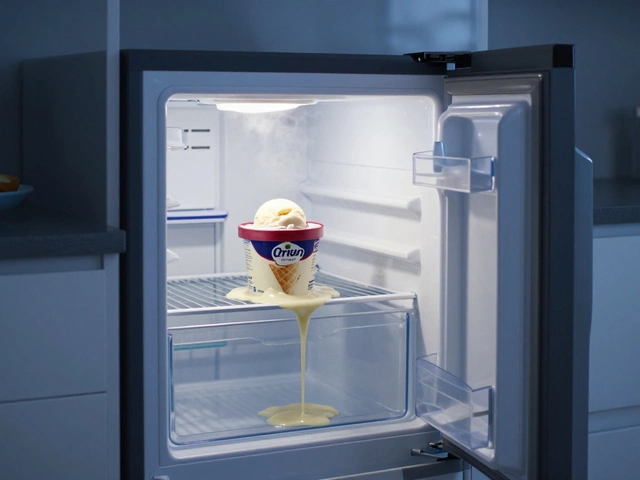
Discover the average life expectancy of a freezer, signs of failure, and whether to repair or replace. Learn practical tips to extend appliance lifespan and make smart financial decisions.
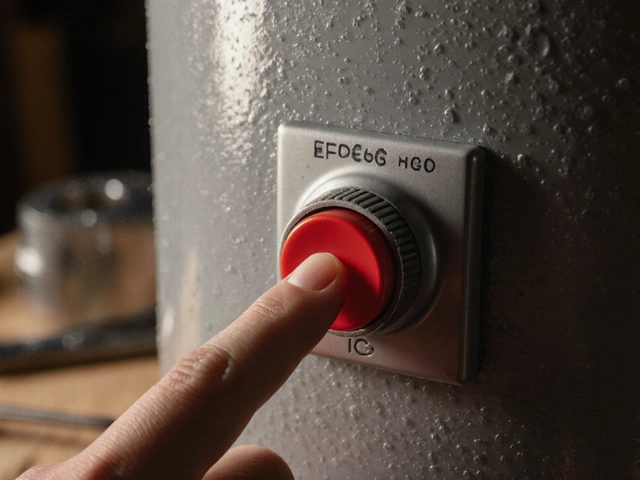
Learn how to properly reset your water heater's safety button - and why holding it down won't help. Find out what really causes it to trip and when to call a professional.