

When a cooker stops heating or the extractor fan stops humming, it can throw a wrench into your daily routine. The good news is many kitchen problems are simple enough to tackle yourself, and even the ones that need a pro are easy to spot. Below you’ll find the most common issues, step‑by‑step DIY fixes, and clear signs that you should call in an expert.
First, let’s look at the appliances that cause the most headaches. An electric oven that won’t heat is often down to a faulty heating element or a broken thermostat. Electric hobs suffer from burnt‑out burners, loose connections, or a tripped breaker. Extractor fans usually stop because the motor is clogged with grease or the fan blade is seized. Dishwashers can leak, won’t start, or leave dishes still dirty – typical culprits are a blocked spray arm, a bad pump, or a worn‑out door seal.
These problems share a pattern: a visual sign (no heat, no spin, strange noise) followed by a simple check you can do without opening the whole unit. Spotting the symptom early saves time and money.
1. Oven not heating – Unplug the oven, remove the back panel, and locate the heating element. Look for any breaks, bulges, or dark spots. If it looks damaged, replace it with the exact model number. Tighten any loose wiring and re‑assemble. Test the oven before you put the panel back.
2. Hob burner issues – Turn off the circuit at the breaker. Pull the burner out and inspect the coil or ceramic plate. If it’s cracked or burnt, swap it for a new one. Clean any residue with a soft brush, then snap the burner back in place.
3. Extractor fan not working – Switch off the fan, then remove the grill and clean off grease buildup. Spin the fan blade by hand; it should move freely. If it sticks, lubricate the bearing with a drop of oil. If the motor hums but doesn’t spin, the motor likely needs replacement.
4. Dishwasher won’t start – Check the door latch first – a mis‑aligned latch can prevent the cycle from beginning. Next, inspect the filter at the bottom; a clogged filter can stop water flow. Clean the filter, reset the dishwasher, and try a short cycle.
Always have the correct replacement parts on hand and double‑check the model numbers. A quick search on the manufacturer’s site will give you the exact fit and price.
If after these checks the appliance still misbehaves, it’s time to call a professional. For kitchen appliances, a qualified repair technician will have the tools to test electrical components safely and replace parts that require specialist knowledge, like sealed compressor units in fridges.
Keeping a basic toolkit – screwdrivers, pliers, a multimeter, and a flashlight – will make most minor repairs painless. Note the make and model of each appliance, write down the symptom, and tell the technician exactly what you’ve already tried. That speeds up the diagnosis and often reduces the call‑out cost.
Kitchen appliance repair doesn’t have to be a nightmare. By spotting common signs early, doing safe DIY checks, and knowing when to bring in a pro, you’ll keep your cooker, hob, fan, and dishwasher humming along without breaking the bank.
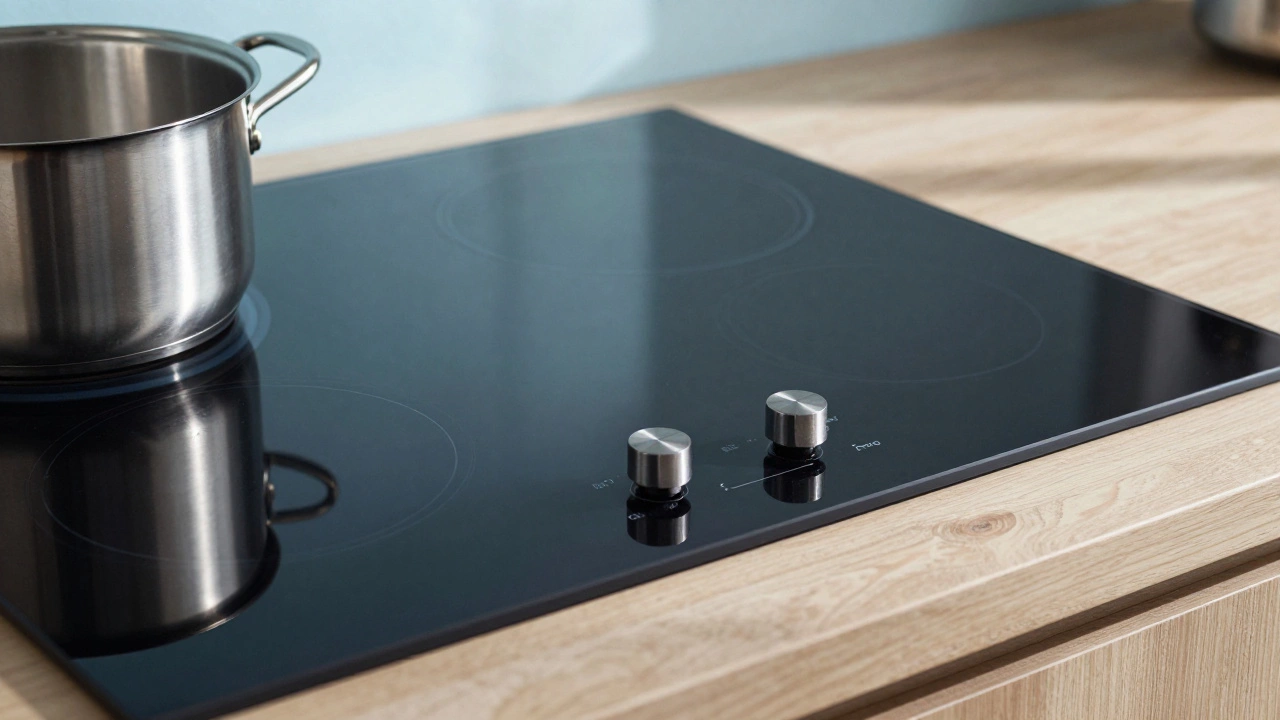
Learn exactly how to reset your electric hob when screens freeze or zones fail. This guide covers universal power cuts, button combinations, and recognizing genuine faults versus false alarms.

Repairing an electric oven on your own can be daunting, but it may be easier than it seems. This article explores the basics of oven function, safety tips, and common issues like heating problems or broken knobs. You'll find valuable advice on identifying problems and learning when it's best to call a professional. With a bit of knowledge, some troubleshooting, and a few tools, you might be able to save money on repair costs. Remember to prioritize safety above all while attempting repairs.

Thinking about fixing your 7 year old refrigerator? This article breaks down the real costs, reliability, and what you should watch for before you pay for repairs. You’ll find clear tips on when it’s smarter to repair or replace, how much you’ll likely spend, and some key things most people forget to check. Get the real scoop from an expert so you don’t waste time or money.

Struggling with a troublesome boiler? Discover the most frequent issues like lack of heat, strange noises, and leaking water. Learn practical tips and tricks on how to diagnose and fix these problems on your own. Recognize when it's time to call a professional and keep your home warm and comfortable.

Wondering how long you can cope with a broken boiler? Get clear facts, repair timelines, survival tips, and legal details so you don’t get left in the cold.
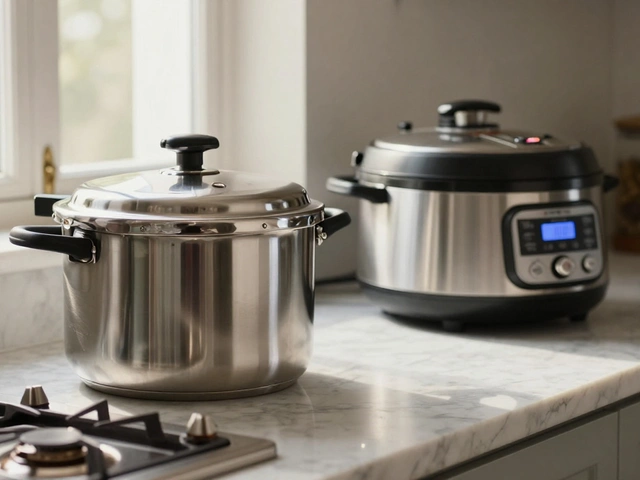
Discover how long pressure cookers last, comparing stovetop vs electric models. Learn signs of wear, repair options, and maintenance tips to extend lifespan safely.
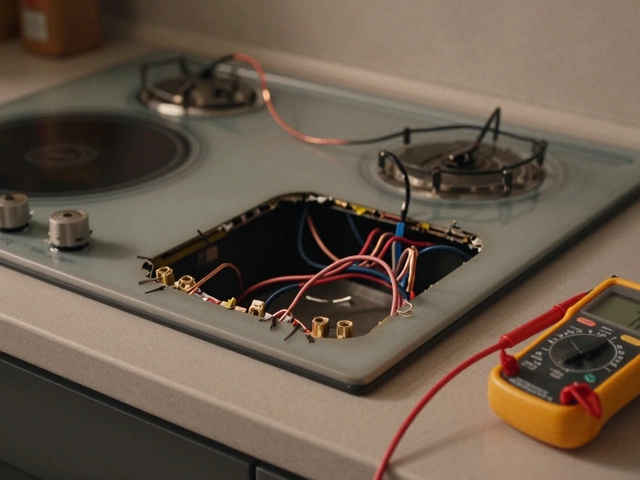
Replacing an electric hob isn't a DIY job. In the UK, it requires a qualified electrician for safety, legal compliance, and insurance reasons. Here's what you need to know before swapping your hob.