

Ever wonder why your oven won’t heat or the extractor fan sounds like a whirring helicopter? Most kitchen appliances fail for simple reasons that you can spot and often repair yourself. Below we break down the everyday culprits and give you clear steps to get things working again.
Electric ovens and hobs often stop heating because a heating element has burned out, a thermostat is faulty, or the wiring is loose. A quick visual check for a broken coil or a burnt smell can tell you if the element needs swapping.
Extractor fans lose suction when the filter is clogged, the motor brushes wear out, or the fan blade hits debris. Pull out the filter, give it a wash, and listen for any grinding noises – if the motor sounds harsh, it probably needs a new brush set.
Fridges that run but stay warm usually have a blocked condenser, a malfunctioning thermostat, or a faulty door seal. Clean the coils at the back, test the thermostat by feeling for a click when you turn the dial, and check the rubber seal for cracks.
Dishwashers that won’t drain often suffer from a clogged pump or a broken impeller. Remove the bottom rack, check the pump inlet for food bits, and spin the impeller by hand – it should turn freely.
These problems share a common theme: dirt, wear, or a single part giving up. Most can be tackled with a screwdriver, a multimeter, and a bit of patience.
1. Turn off the power. Always unplug or switch off the circuit breaker before you start. Safety first saves headaches.
2. Inspect visually. Look for scorch marks, broken wires, or loose connections. A close look often shows the issue without any probing.
3. Test with a multimeter. Set it to resistance (Ω) and check heating elements or motor windings. A reading of infinite resistance means the part is dead.
4. Replace the part. Most elements, fans, and thermostats are sold as DIY kits. Follow the manufacturer’s guide – it’s usually a few screws and a clip.
5. Re‑assemble and test. Put everything back, restore power, and run a short cycle. If it works, you’ve saved a call‑out fee; if not, the fault may be deeper and needs a professional.
When you’re unsure, note the model number and search for a repair video. Seeing someone pull the same part out makes the process less intimidating.
Remember, regular maintenance cuts down on breakdowns. Clean extractor filters monthly, wipe fridge coils quarterly, and check oven seals for wear each year. Small habits stop big failures.
If a problem persists after these steps, it’s time to call a local specialist. A qualified technician can diagnose hard‑to‑reach issues like control board failures or gas valve faults safely.
Bottom line: most kitchen appliance issues are caused by simple wear and lack of cleaning. With a basic toolkit and a clear plan, you can handle the majority of fixes yourself, keeping your kitchen running smoothly without breaking the bank.
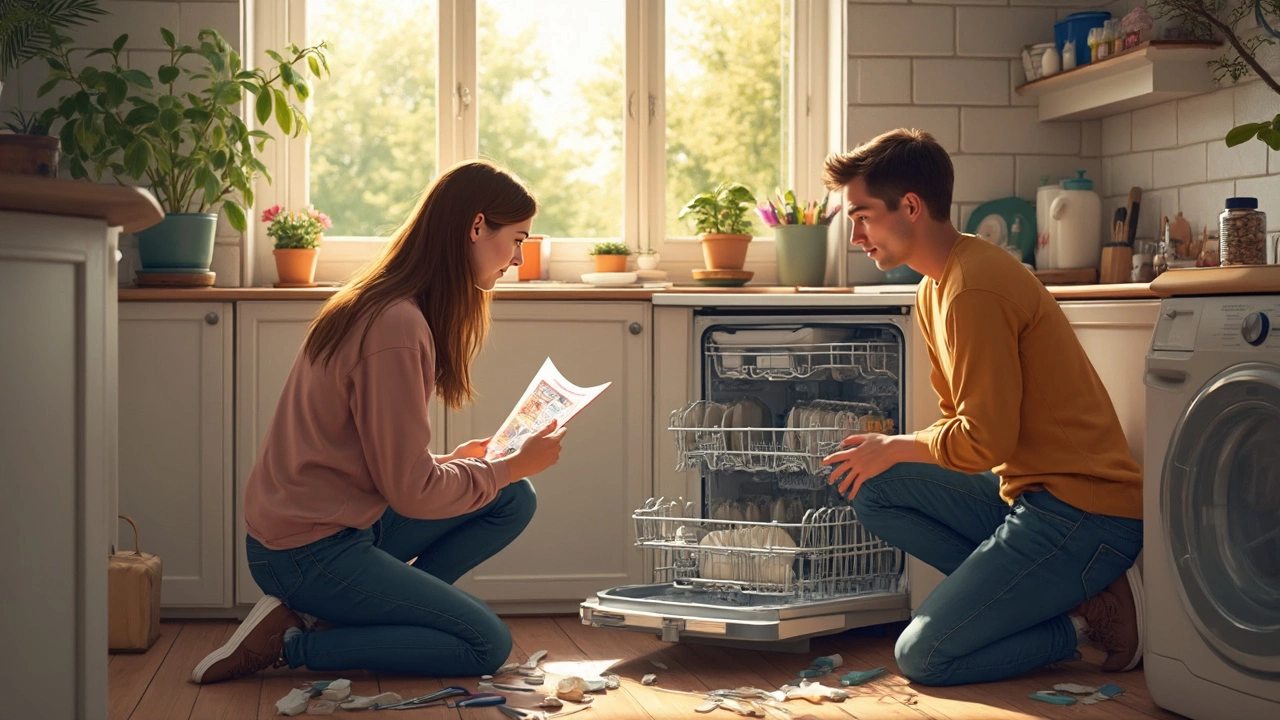
When your dishwasher starts acting up, a quick, accurate diagnosis can save you from bigger headaches and pricey repairs. This article walks through simple methods to spot dishwasher problems, from weird noises to stubborn leaks. You'll learn what to check first, how to tell if it's a DIY fix, and when it's time to call in a pro. Handy tips and real-life examples make this guide easy to follow, even if you're not a born handyman. Don't let a small hiccup become a kitchen disaster — know what to look for and act fast.
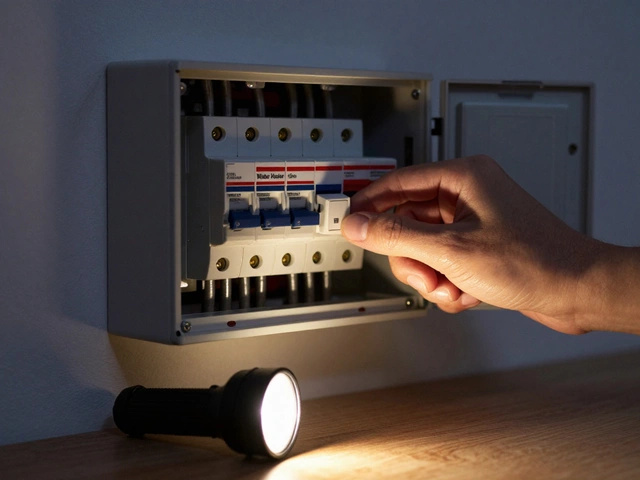
When there's no hot water, the first thing to check isn't the heater-it's the circuit breaker or pilot light. Most issues are simple fixes that save time and money. Learn what to look for and how to fix it yourself.
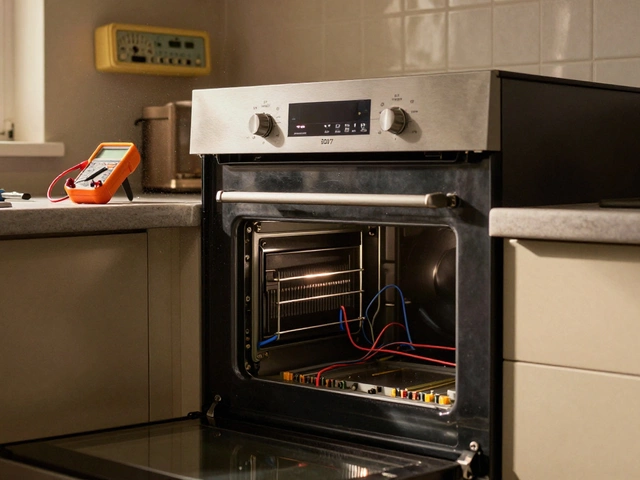
Is replacing your oven control board worth it? Learn the real costs, when to repair vs replace, and what most UK homeowners get wrong. Save money and avoid costly mistakes.
Leaving an electric oven on overnight sounds harmless, but it could spell real trouble. Learn the risks, facts, and safer options for your late-night cooking needs.
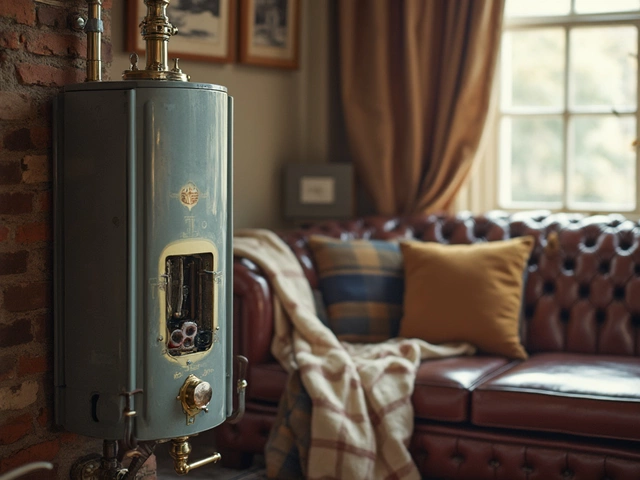
Water heaters don't last forever, so it’s important to know how long yours might stick around. Generally, these devices are built to last about 8 to 12 years, but several factors can influence their longevity. By understanding signs of wear, maintenance tricks, and when it's time to say goodbye to your old model, you can ensure hot showers won't become a thing of the past. Let's break down everything you need to know about your water heater's lifespan.
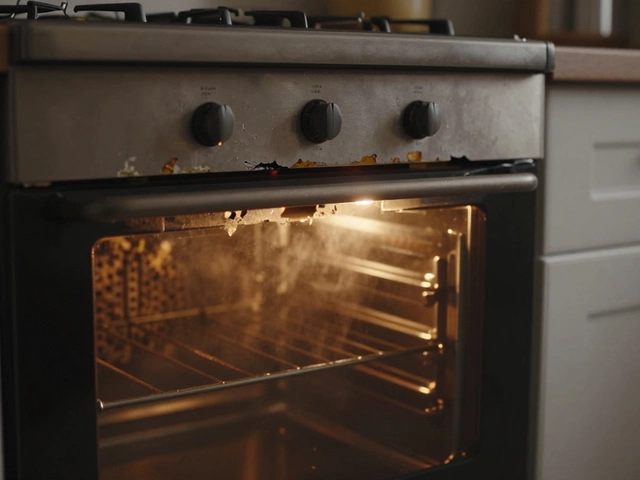
Most ovens last 10 to 15 years, but usage and maintenance affect lifespan. Learn the signs your oven is failing, when to repair vs. replace, and how to make it last longer.