

If your tap is suddenly cold, you’re probably wondering why. Most hot‑water headaches come from a few simple things: a tripped reset button, sediment in the tank, or a failing thermostat. The good news is you can check many of these yourself before calling a technician.
Many electric water heaters have a built‑in reset button on the thermostat. When the unit overheats, it trips to protect itself. Look for a red or black button on the side of the tank, press it firmly, and listen for the heater to start humming. If it clicks back on and hot water returns, you’ve solved the problem. If it trips again within a day, there’s likely a deeper issue such as a faulty thermostat or a bad heating element.
Over time, minerals settle at the bottom of the tank and act like an insulator. This makes the heater work harder and can cause overheating. You’ll need a garden hose, a bucket, and a bit of patience. Turn off the power or gas, attach the hose to the drain valve, open a hot‑water faucet nearby, and let the water run until it looks clear. A quick flush every six months keeps the heater efficient and can add years to its life.
While you’re at it, check the anode rod. It’s a metal stick that eats away instead of the tank. If it’s heavily corroded, replace it – it’s a cheap way to prevent a pricey leak.
Water heaters usually last 8‑12 years, but a few clues tell you it’s getting old. Look for rusty water, noisy rumbling, or water that never gets as hot as before. If the tank is leaking, shut it off right away; a leaking unit can damage floors and walls.
When you notice these signs, weigh repair vs. replace. Replacing a 30‑year‑old heater can be cheaper in the long run because newer models are more energy‑efficient.
If you’ve tried a reset, flushed the tank, and still have no hot water, it’s time to call an expert. Gas‑fired heaters involve combustion, and a mistake can be dangerous. Same with electrical heaters – a broken heating element or control board needs a qualified technician.
Also, if you hear a strong hissing sound, smell gas, or see water pooling around the unit, shut it off and get help immediately.
In short, most hot‑water hiccups are fixable with a quick reset or a good flush. Keep an eye on the age of your heater, replace the anode rod regularly, and don’t hesitate to call a pro when the problem feels out of hand. With these steps, you’ll spend less time in a cold shower and more time enjoying warm water.
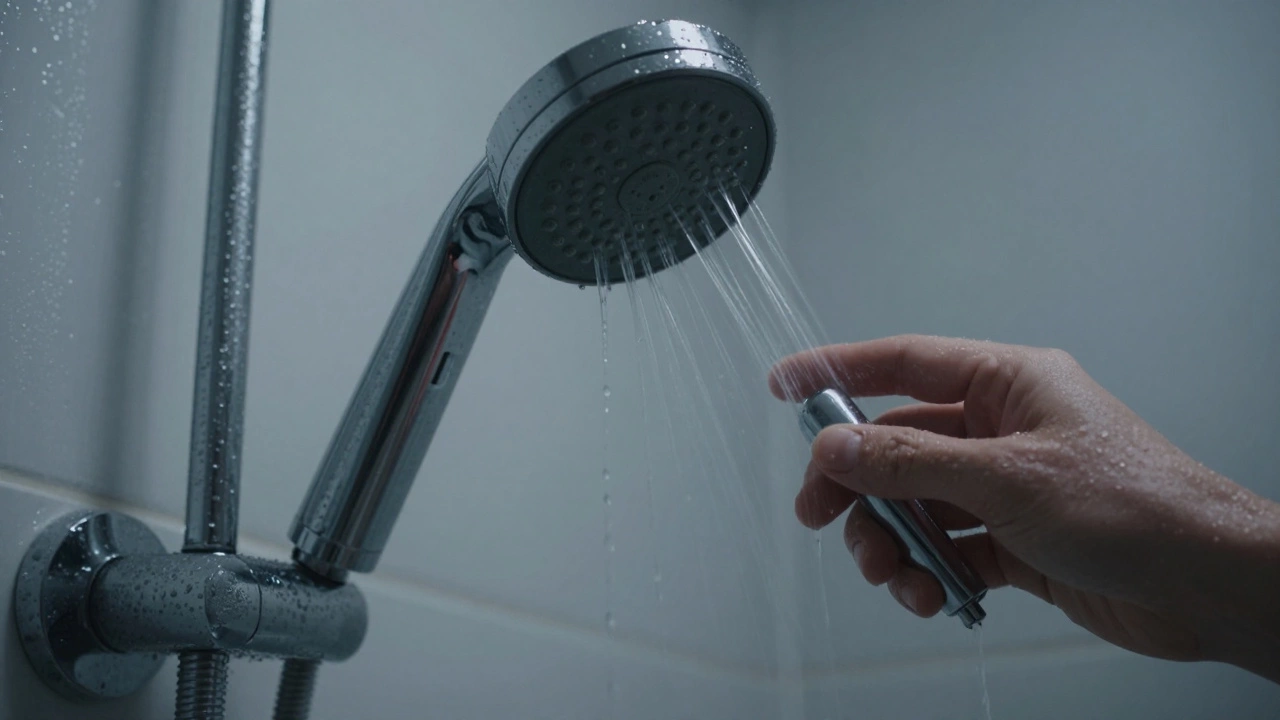
Find out if a broken boiler always means no hot water. Learn common causes like diverter valve failure, low pressure, and how to troubleshoot your system.

Frustrated by cold water instead of a hot shower? This guide breaks down the most common reasons your hot water is running cold, with simple fixes anyone can try at home.
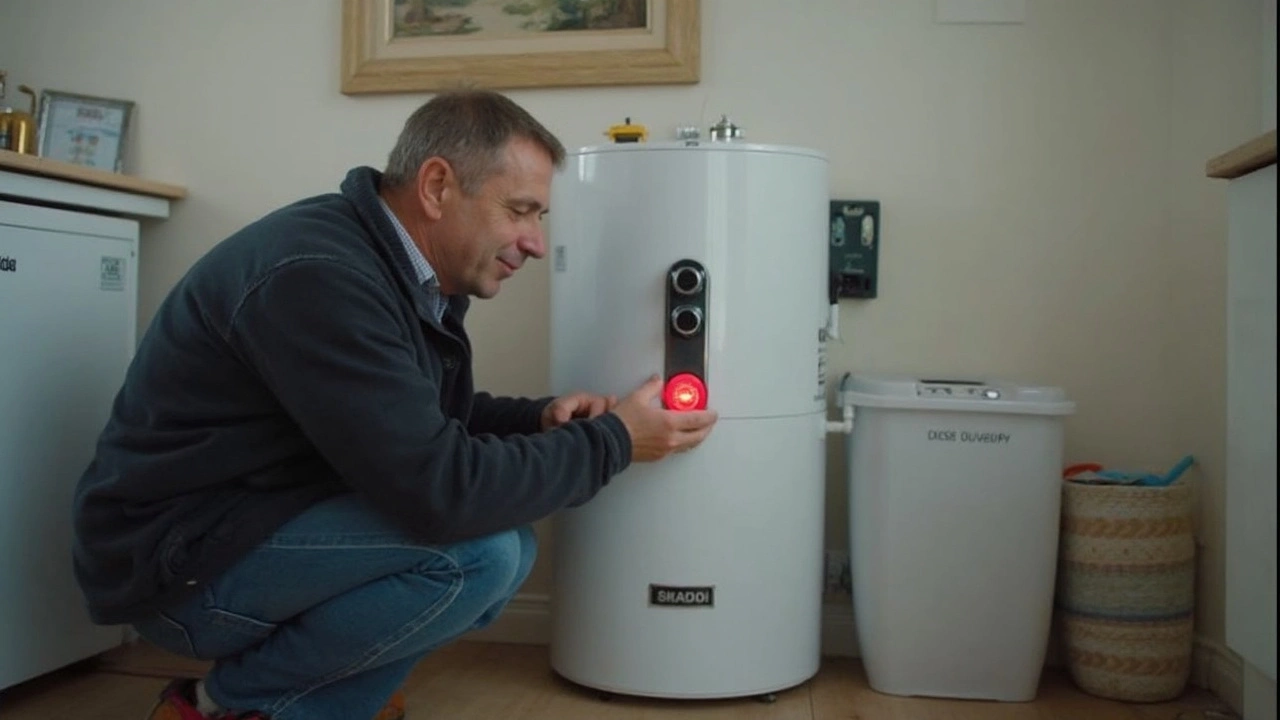
Ever wondered why you end up pushing that red reset button on your water heater over and over? This article digs into exactly what the reset button does, why it keeps tripping, and what can go wrong if you keep hitting it. Get clear answers about hidden water heater issues and learn simple steps to protect your system—and your wallet. We’ll walk you through warning signs, smart troubleshooting tips, and when it’s time to call a pro. No tech jargon, just straight talk for anyone tired of cold showers.
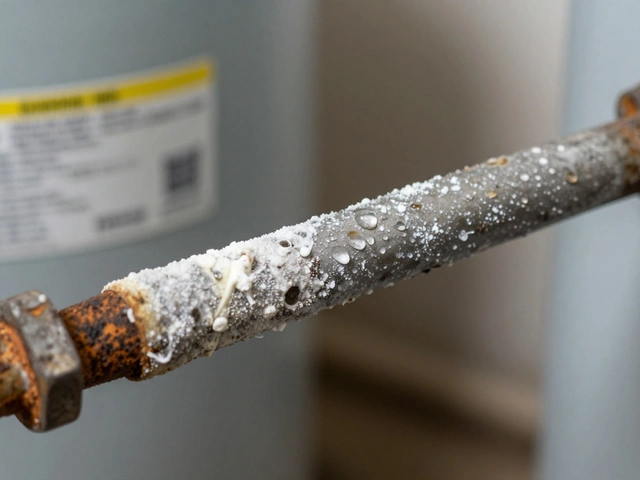
Water heaters commonly fail due to anode rod corrosion, heating element burnout, thermostat issues, and tank rust. Learn the top 5 causes and how to prevent them before you're left with no hot water.
Ever wondered why you end up pushing that red reset button on your water heater over and over? This article digs into exactly what the reset button does, why it keeps tripping, and what can go wrong if you keep hitting it. Get clear answers about hidden water heater issues and learn simple steps to protect your system—and your wallet. We’ll walk you through warning signs, smart troubleshooting tips, and when it’s time to call a pro. No tech jargon, just straight talk for anyone tired of cold showers.
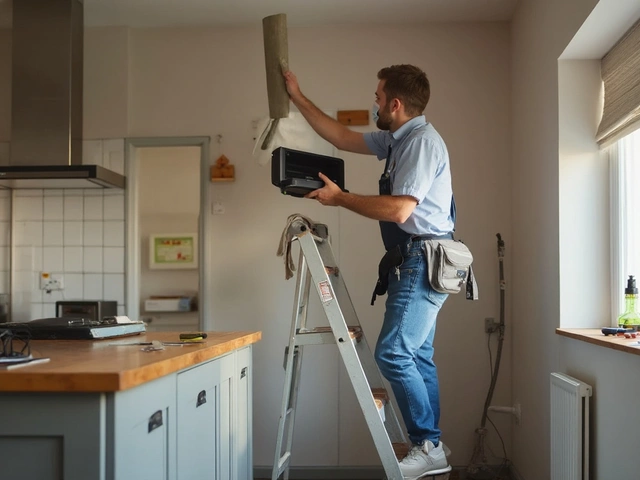
Wondering if you can swap out an extractor fan without calling in a pro? This article breaks down what it really takes to replace an extractor fan yourself, from the easy steps to watch-outs that could trip you up. Learn which tools you’ll need, how to stay safe with electricity, and where to draw the line and call an expert. Get helpful tips and facts straight from a practical perspective. Perfect for anyone ready to tackle a home repair without risking their safety or their ceiling.

Ready to buy a new dishwasher? Check this guide for 2025's most unreliable dishwasher brands, stories you won't believe, and tested buying tips no one else will give you.
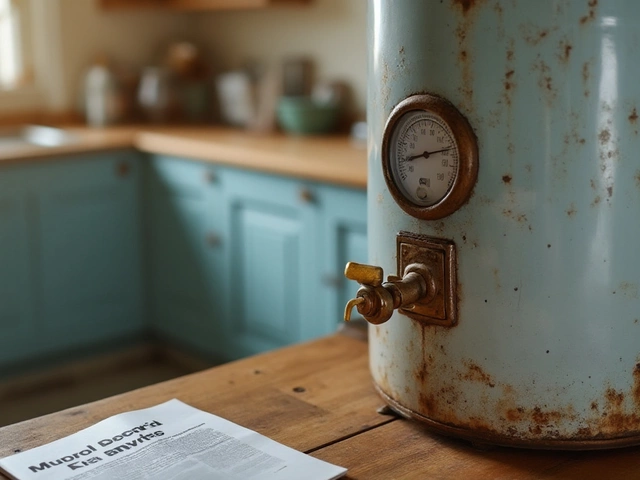
Determining when your hot water heater needs replacement isn't always straightforward. This guide explores key signs such as irregular water temperatures, strange noises, and age that might indicate it's time to get a new unit. Understanding these signs not only ensures a reliable hot water supply but also prevents potential damage and higher energy bills. Additionally, we discuss some tips for maintenance to prolong the life of your current system.