

When dealing with Hot Water Heater Troubleshooting, the process of diagnosing and fixing issues that prevent a residential water heater from delivering consistent hot water. Also known as hot water heater repair, it keeps your showers warm and energy bills in check.
Most problems start with the water heater, a device that heats and stores water for domestic use. Common symptoms like no hot water, intermittent heat, or strange noises often point to three core areas: temperature control, power supply, and safety mechanisms. For instance, a faulty thermostat can cause the heater to cycle off early, while a blocked dip tube may send cold water straight to the tap. Checking the reset button, the high‑limit safety switch that shuts off the element when it overheats is a good first step; if it trips repeatedly, the underlying issue could be a burnt‑out heating element or a failing pressure valve.
In many homes, the water heater works in tandem with a boiler, a central heating system that can also supply hot water on demand. Boiler pressure loss, low‑flow pump failures, or error codes on the controller will directly affect hot water output. Understanding how these systems interact helps you isolate the culprit faster: if the boiler’s pressure gauge reads below 1 bar, you’ll likely need to repressurize before the heater can fire up. Remember, safety comes first—always turn off power and water supply before opening panels, and never attempt electrical work unless you’re qualified.
Below this overview you’ll see a curated set of articles that cover everything from why hot water shows up at the sink but not the shower, to how to safely reset a stubborn heater, and the signs that indicate a full replacement is due. Each post breaks down a specific symptom, offers step‑by‑step DIY checks, and tells you exactly when calling a professional is the smartest move. Dive in for practical tips that let you get the hot water you need without guessing.
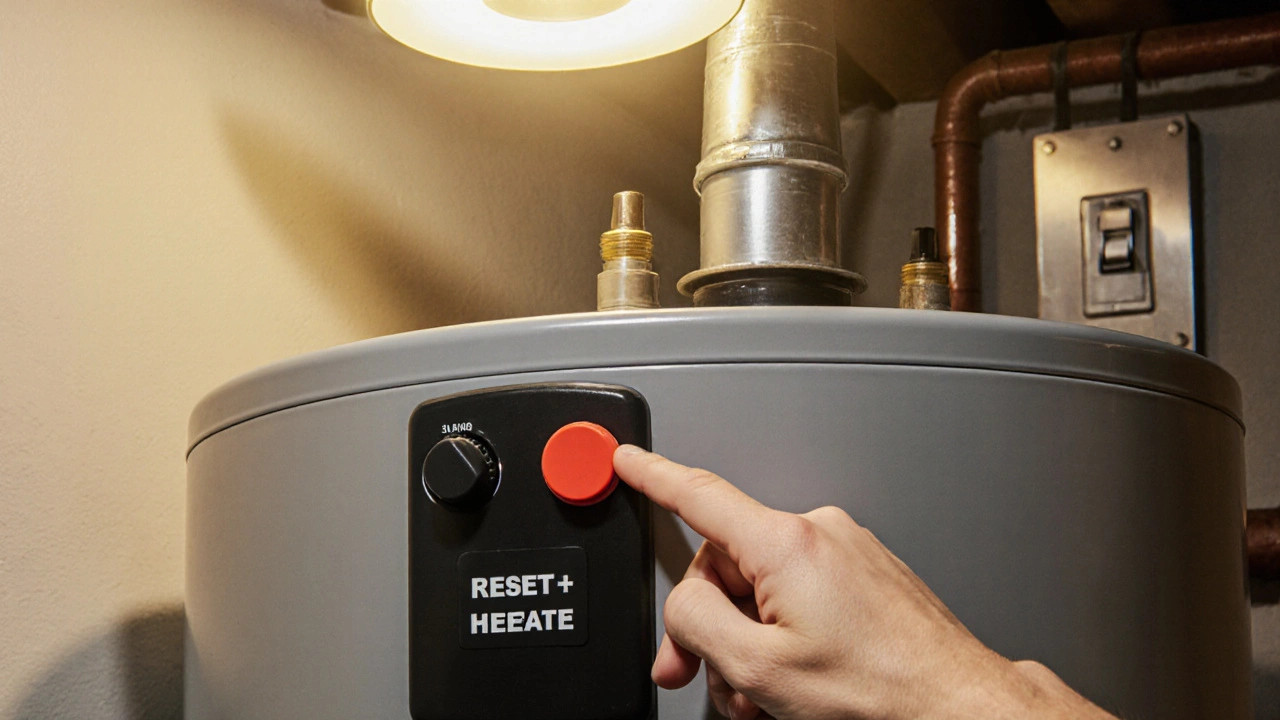
Learn how to safely reset both electric and gas hot water heaters, troubleshoot common issues, and know when to call a professional.
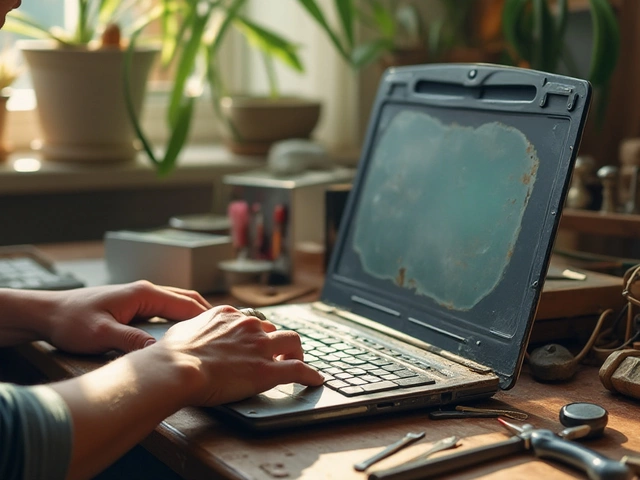
Repairing an aging laptop can be a tricky decision. This article explores whether it's still worth investing in a 7-year-old device. We'll consider factors like performance, cost, potential upgrades, and environmental impact. Dive in to learn about the practical and sentimental value of maintaining your trusty laptop.
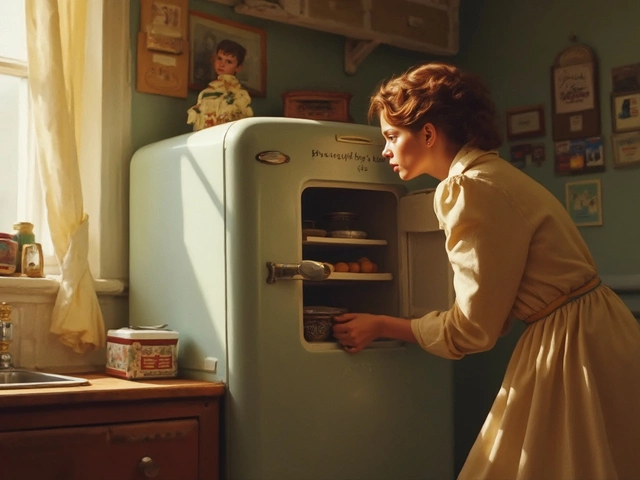
Fixing your fridge on your own can be a real money-saver if you know where to start. First, you've got to figure out what's actually wrong before grabbing your toolbox. With some basic tools and a little patience, you might just handle common issues like leaks, noisy operation, or poor cooling effectively. But sometimes, you also need to know when it's time to bring in a professional.
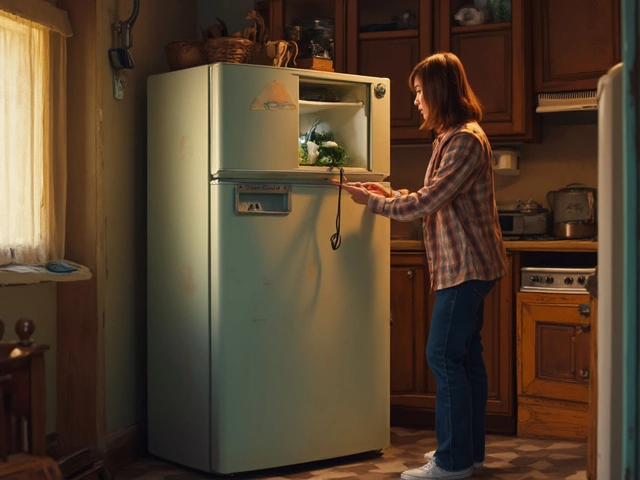
When your refrigerator suddenly stops working, it can cause quite a panic. But before calling in the repair services, there's one crucial thing you should check first: the power source. This step is often overlooked but can save you both time and money. Reliability and efficiency in troubleshooting can help bring your fridge back to life or at least determine the next best steps.
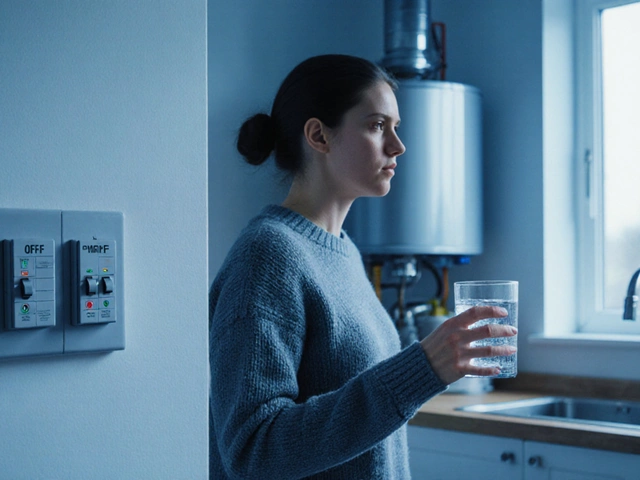
Learn fast DIY steps to diagnose and fix a non‑working water heater, plus safety tips, maintenance advice, and when to call a professional.
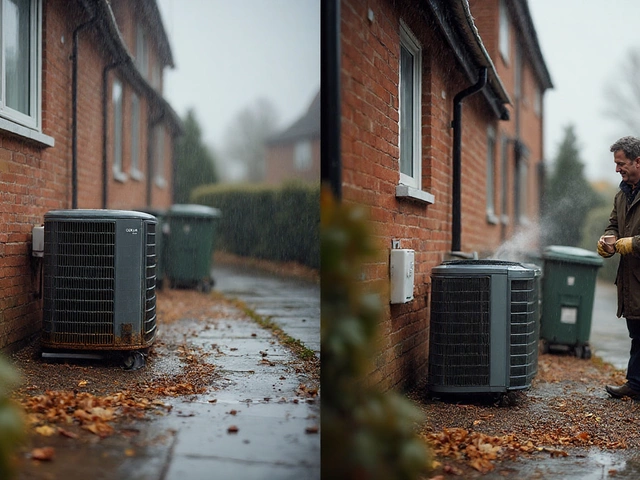
Real UK lifespan for air vs ground source heat pumps, what shortens or extends life, maintenance steps, and a simple repair-or-replace guide you can actually use.