

Every house has gadgets that make life easier, but they can also cause trouble if you’re not careful. Knowing the basics of appliance safety can stop accidents before they start and save you money on repairs.
When a heat pump stops blowing warm air or a boiler starts leaking, the problem isn’t just an inconvenience—it can turn into a fire hazard or a flood. Even a simple fridge that isn’t cooling can make food spoil, leading to waste and health risks. By keeping an eye on how your appliances work, you protect your family and keep utility bills low.
1. Check the power cords. Look for frayed wires or loose plugs on your washing machine, oven, and extractor fans. If you see damage, replace the cord or call a professional. A bad cord is a common cause of short circuits.
2. Keep vents clear. Heat pumps, water heaters, and kitchen fans need good airflow. Dust and debris block the vents, making the unit work harder and overheat. A quick vacuum or brush once a month keeps things running smooth.
3. Test safety switches. Many ovens and electric water heaters have built‑in safety switches that shut off power if something goes wrong. Press the reset button on the water heater after a power cut and see if it stays on. If it keeps resetting, there’s a deeper issue and you should call a repair expert.
4. Follow manufacturer maintenance schedules. Brands often recommend flushing your water heater every 12 months or cleaning the filter on a dishwasher. Ignoring these steps can shorten the life of the appliance and increase the risk of leaks or malfunctions.
5. Know the signs of trouble. A fridge that’s cold on the top but warm on the bottom, an oven that won’t heat, or a boiler that makes strange noises are clues that something’s off. Don’t wait for a complete breakdown—address the issue early.
6. Use the right tools for DIY fixes. If you replace a hob element or swap out an extractor fan, turn off the power at the breaker, have a screwdriver set, and follow step‑by‑step guides. Safety gloves and goggles add extra protection.
7. Keep children away from hot surfaces. Ovens, cooktops, and water heaters can cause burns. Teach kids that the kitchen is a work zone and use stove guards when cooking.
By making these quick checks part of your routine, you’ll notice fewer problems and feel more confident that your home is safe. If you ever hit a snag you’re not sure about, it’s smarter to call a certified technician than to guess.
Remember, safety isn’t a one‑off task—it’s a habit. Keep an eye on your appliances, stay aware of warning signs, and you’ll protect both your home and your wallet.
Find out when repairing your dryer isn’t the smart move. Learn real signs, safety warnings, and how to choose between fixing and just getting a new one.

Thinking about ditching your gas appliances? This article breaks down the real pros and cons of keeping or replacing things like your gas stove, water heater, or furnace. Learn how safety, repair costs, and future-proofing your home play into this decision. There are lots of myths out there and we’ll sort out the facts. You'll also pick up practical tips on making the best choice for your budget and home. Let's cut through the noise and find out what really matters for your gas appliances.
Find out exactly how much it costs to fix an oven that won't heat in the UK in 2026. We break down labour, parts, and hidden fees to help you decide between repair and replacement.
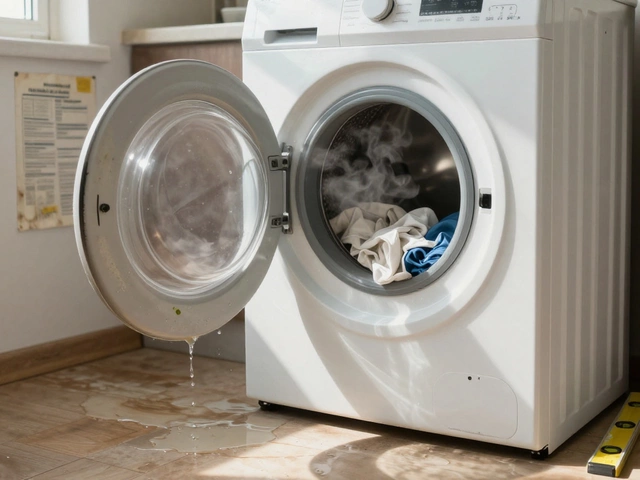
Most washing machines last 8-12 years, but signs like loud noises, leaks, or error codes mean it's time to consider repair or replacement. Learn how to extend its life and when it's better to buy new.
Find out if you need a professional electrician to replace your electric oven in the UK. We cover Part P regulations, DIY risks, costs, and safety steps to help you decide.
Wondering how long a washing machine should actually last? This article breaks down real averages, points out what causes washers to wear out, and shows simple ways to get more years out of your machine. We’ll look at red flags for replacement, compare old versus new models, and clear up some common myths about washers. If you want your next laundry day to go smoothly—or you’re tired of surprise breakdowns—this guide’s for you.

Cookers are an essential part of any kitchen, and knowing their average lifespan can help in planning for replacements and repairs. On average, cookers last between 10 to 15 years depending on several factors like usage, maintenance, and brand quality. Regular maintenance and timely repairs can extend the life of your cooker significantly. Understanding the warning signs of wear and tear and knowing when to repair or replace can save both time and money. This article will dive into expert tips to maximize the life of your cooker.