

Feeling the chill before the winter really hits? You don’t need to wait for a full‑blown freeze to start saving heat. A few quick tweaks can make your home feel warmer while trimming the energy bill. Below you’ll find easy actions you can take right now, plus guidance on when it’s time to call in a pro.
First, check your thermostat settings. Dropping the temperature by just 1°C (2°F) on nights when you’re under the blankets can shave up to 5% off your heating bill. If you have a programmable model, set it to lower the heat while you’re at work and rise an hour before you get home.
Next, seal the leaks. Run your hand around window frames and doors – any draft means warm air is escaping. Use weather‑stripping tape or a simple foam seal to block those gaps. It’s cheap, fast, and the difference is noticeable.Don’t forget your radiators. A dust‑covered radiator can lose up to 15% of its output. Turn off the heating, wipe the panels with a damp cloth, and place a reflective sheet behind them to push more heat into the room instead of the wall.
If you own a heat pump, keep the outdoor unit clear of leaves and debris. A blocked coil works harder and uses more electricity. A quick hose‑down in spring and a brush‑off in autumn keep it efficient all year.
Lastly, bleed your radiators if you hear gurgling noises. Air trapped inside reduces circulation, making the system work overtime. A small radiator key can release the air in a minute or two.
Some issues need a trained eye. If your boiler trips the safety lock, smells like gas, or refuses to fire up after a simple reset, shut it off and contact a certified engineer. Ignoring these signs can lead to bigger repairs or dangerous situations.
Heat pumps that stop delivering warm air even after cleaning the exterior unit often have deeper component wear. A technician can check the refrigerant levels and the compressor, ensuring the system runs at peak efficiency.
Water heaters that need frequent resetting or take forever to heat water are usually suffering from a failing thermostat or sediment buildup. A professional flush can restore performance and extend the unit’s lifespan.
Regular servicing isn’t optional—it’s the best way to avoid surprise breakdowns. Schedule a boiler service once a year, especially before the cold season, and ask the engineer to inspect the pressure, heat exchanger, and safety valves.
By combining these DIY tweaks with timely professional maintenance, you’ll keep your home snug, lower your energy spend, and prolong the life of your heating gear. Start with one or two quick actions today and watch the comfort level rise without the extra cost.
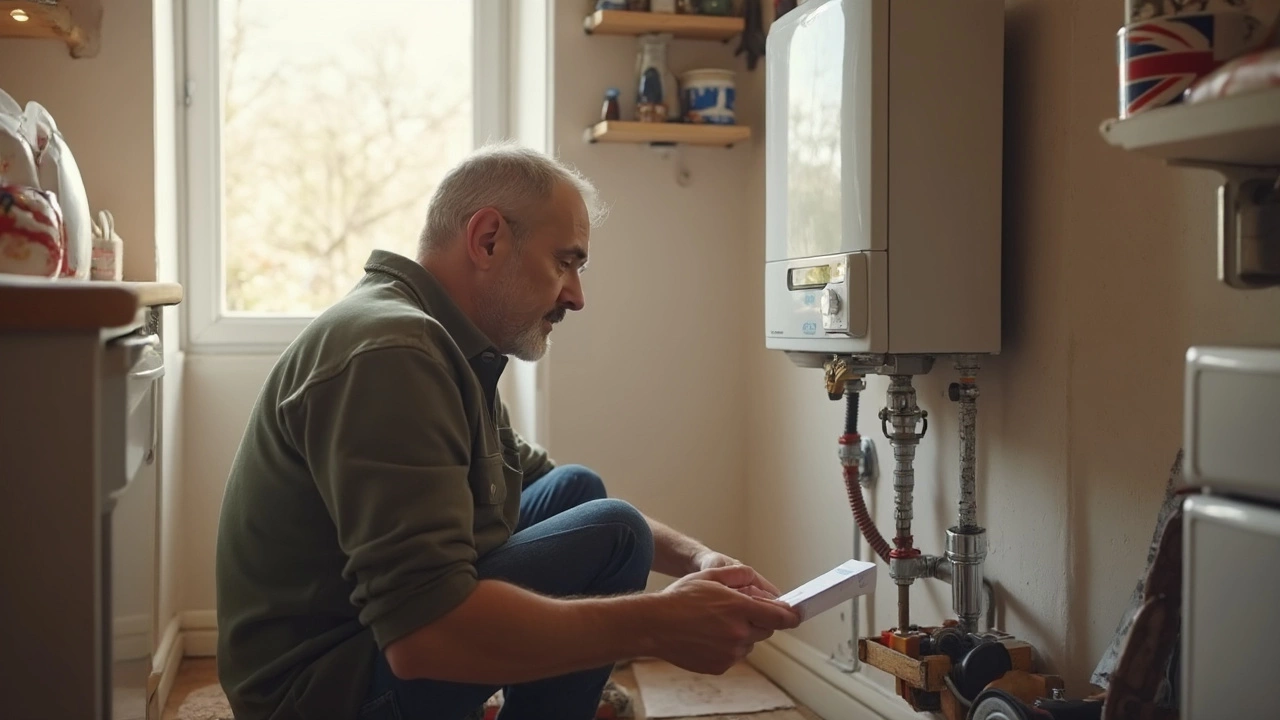
Thinking about handling your own boiler service? Get the truth about what you can and can’t do, why safety matters, and which tasks are okay for homeowners. This article covers legal restrictions, common mistakes to avoid, and practical tips for everyday boiler care. Learn how to spot problems early and when it's really time to call a pro. Save yourself headaches, money, and maybe even a major disaster by knowing the facts.

Repairing an electric oven on your own can be daunting, but it may be easier than it seems. This article explores the basics of oven function, safety tips, and common issues like heating problems or broken knobs. You'll find valuable advice on identifying problems and learning when it's best to call a professional. With a bit of knowledge, some troubleshooting, and a few tools, you might be able to save money on repair costs. Remember to prioritize safety above all while attempting repairs.
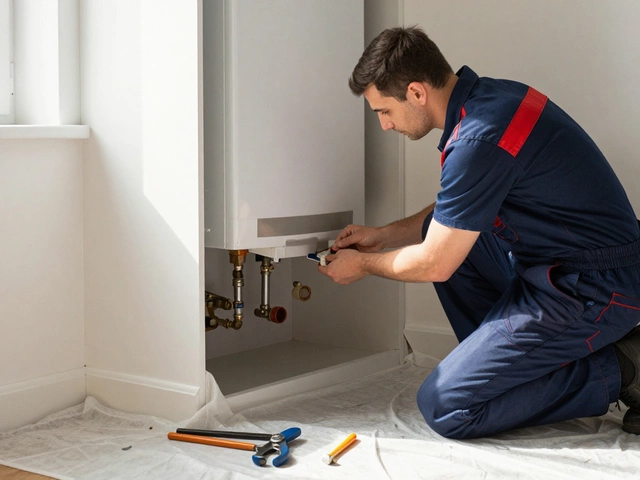
Replacing a boiler in the UK typically takes one to three days, depending on the type of boiler, system complexity, and home layout. Most installs finish in a single day if the new unit is in the same location.
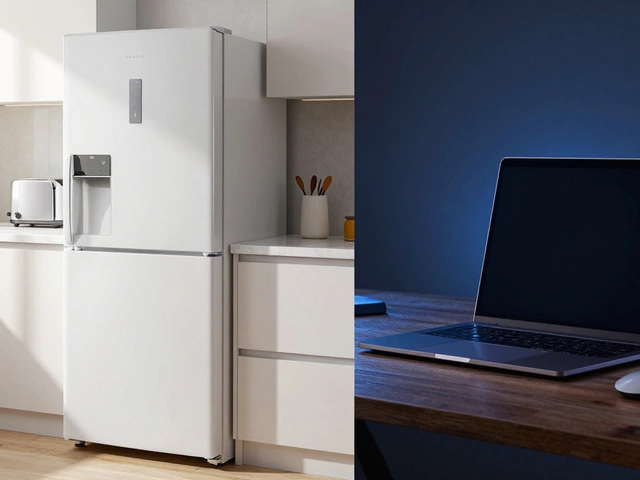
Is a laptop an appliance? Discover why the distinction between consumer electronics and household appliances matters for repairs, warranties, and insurance.

Want to know how much Geek Squad at Best Buy will charge for fixing your laptop? This article breaks down their pricing and services, so you know exactly what to expect before you hand over your device. You'll learn what affects the cost, whether a protection plan is worth it, and get the lowdown on real-life repair scenarios. Plus, there are tips to help you save some cash or avoid common headaches. No tech jargon or fancy lingo—just straight answers.

When your dryer suddenly stops working or leaves your laundry sopping wet, it’s tough to know what your best next step is. Should you call in a repair service, try a DIY fix, or bite the bullet and shop for a new one? This article breaks down the real costs, tells you what repairs make sense, and gives you actionable tips so you don’t spend more than you have to. It covers which common dryer issues can be fixed on a budget, when to say goodbye to a worn-out machine, and how to make smart decisions that save time, money, and hassle.