

If your electric hob suddenly stops heating, it’s usually the element that’s gone bad. You don’t have to wait for a technician – a fresh element can be swapped in under an hour and save you a hefty bill. In this guide we’ll show you how to spot a failing element, what tools you’ll need, and the exact steps to replace it safely.
First, make sure the power is on and the hob is set to the right zone. If the burner stays cold while the others work, that’s a red flag. You might also notice a faint burning smell, a flickering glow when you turn the knob, or visible cracks on the metal coil. In most cases the element will look blackened or broken at the ends. A quick continuity test with a multimeter will confirm it – no beep means the element is dead.
Gather a screwdriver set (usually Phillips), a pair of needle‑nose pliers, a multimeter, and the replacement element that matches your hob model. Before you start, unplug the hob or switch off the circuit breaker – electricity and metal don’t mix well. Remove the burner cap or glass cooktop; it often snaps or slides out with a gentle pry. Once the cover is off, you’ll see the element held in place by a metal bracket and a couple of terminals.
Unscrew the bracket, then pull the old element away from the wiring. Take note of how the wires are attached – a photo helps. Use the pliers to loosen the terminal nuts and detach the wires. Slip the new element into the same position, reconnect the wires to the terminals, and tighten the nuts snugly. Replace the bracket and secure it with the screws you removed earlier.
Pop the burner cap or glass top back on, making sure it sits evenly. Restore power and test each zone. The replaced burner should heat up within a few seconds. If it doesn’t, double‑check the connections and run another continuity test. That’s it – you’ve just given your hob a new lease on life.
While you’re at it, give the surrounding area a quick clean. Dust and food debris can cause overheating later on, so a tidy hob runs more efficiently.
When to Call a Pro & Cost Overview
If you hit a broken wire, a corroded terminal, or the problem persists after the swap, it’s smarter to call a qualified appliance technician. Replacement elements typically run £30‑£80, depending on brand and size. A professional call‑out can add £50‑£100, but it prevents risky mistakes and keeps your warranty intact. Weigh the cost against your confidence – most homeowners can handle a straight‑forward swap, but complex electrical issues are best left to the experts.
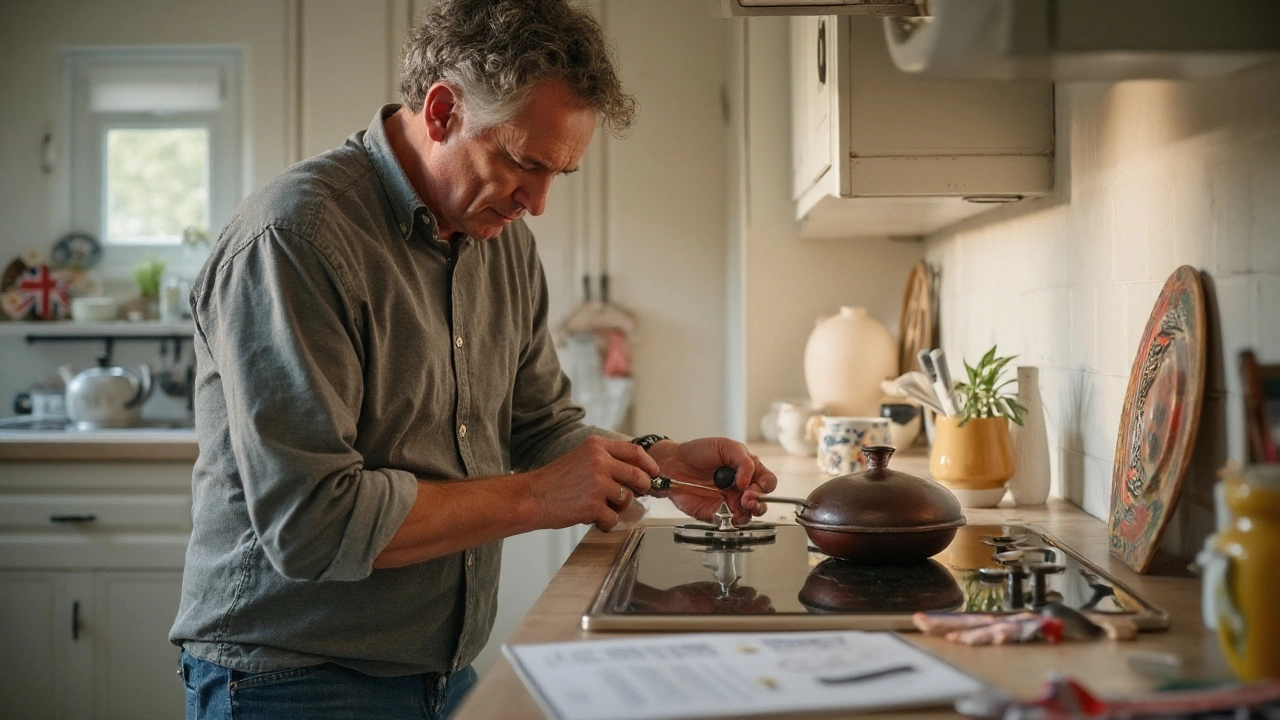
Can you replace an electric hob element? Absolutely! This hands-on guide dives into safe, practical steps for swapping out faulty burners and keeping your electric hob in top shape.
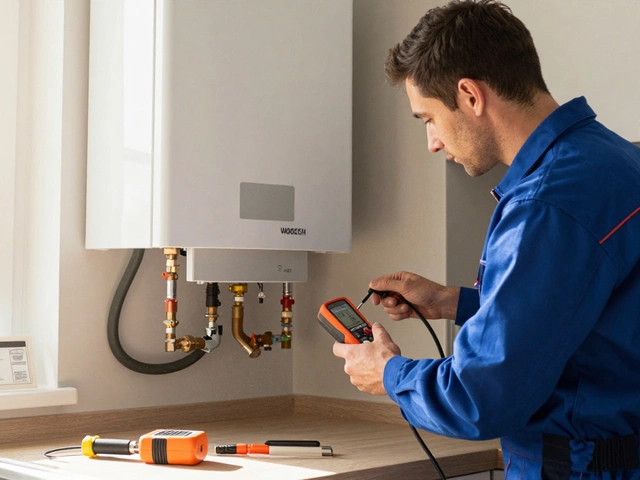
A typical boiler service takes 60 to 90 minutes, but older or neglected systems may require 2-3 hours. Regular annual servicing prevents breakdowns, improves efficiency, and keeps warranties valid. Always choose a plumber who tests gas safety and provides a written report.
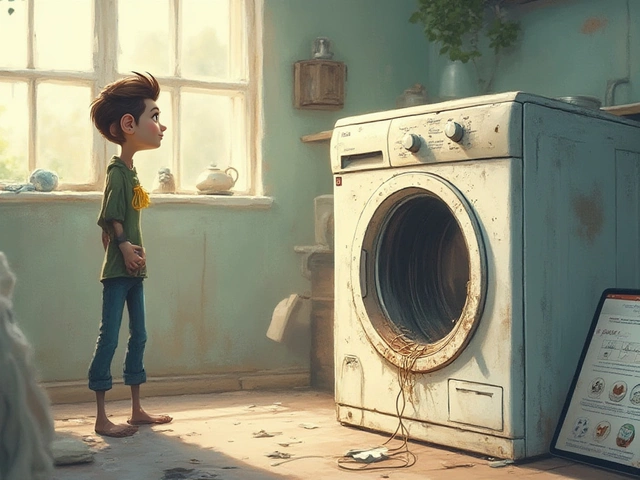
Find out when repairing your dryer isn’t the smart move. Learn real signs, safety warnings, and how to choose between fixing and just getting a new one.
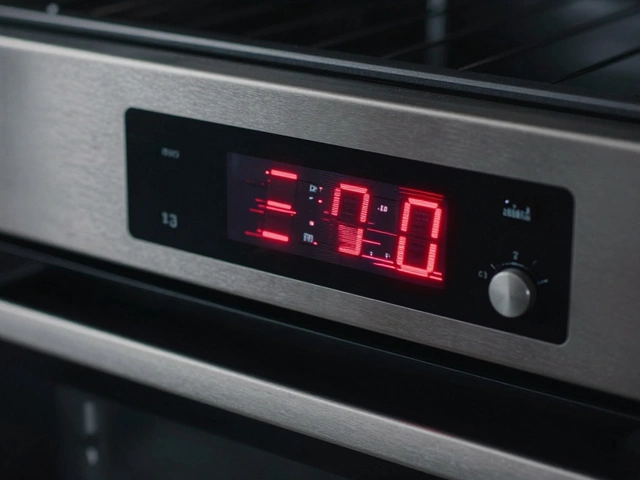
Learn how to identify a failing oven control board through specific signs like flickering displays, erratic heating, and error codes. Includes visual inspection tips, testing methods, and safety precautions for accurate diagnosis.

A malfunctioning boiler can be a real nuisance, especially during the cold months. Understanding whether a broken boiler constitutes an emergency is crucial. This article provides insights into when to prioritize boiler repairs, potential risks associated with delayed attention, and essential DIY tips to consider before professional help arrives. Dive into valuable advice on maintaining your heating system efficiently.
Discover what usually fails on a dishwasher, from door seals to drain pumps. Learn how to diagnose common issues, estimate repair costs, and decide when to fix or replace your appliance.