

Feeling the chill and wondering why your heating isn’t keeping up? You’re not alone. Most homes rely on a mix of heat pumps, boilers, and water heaters to stay warm. Knowing the strengths and weak spots of each part can save you time, money, and a lot of cold evenings.
First up, heat pumps. They pull warmth from the air or ground and drop it inside. In the UK, an air‑source pump can last 12‑15 years if you keep up with basic maintenance. A ground‑source unit usually pushes that to 20‑25 years because it works in a more stable temperature zone.
Heat pumps shine when outdoor temps stay above 5°C. Below that, they lose efficiency and you might need a backup boiler. If you live in a colder area, consider a dual system: a heat pump for milder days and a modern condensing boiler for the deep freeze.
Boilers are still the workhorse for many households. A well‑maintained combi boiler can give you 10‑12 years of reliable heat and hot water. The 2025 boiler service cost guide shows average prices around £120‑£150, but a good service can prevent costly breakdowns later.
When it comes to water heaters, the rule of thumb is to flush them every 12‑18 months. That removes sediment that cuts heat transfer and can cause the heater to overheat. If your water heater is approaching 15‑20 years, start budgeting for a replacement – newer models are far more efficient.
Simple tasks go a long way. For heat pumps, clear debris from the outdoor unit quarterly and check the fan for blockages. A clogged fan is a common reason why a heat pump stops blowing warm air.
Boilers need an annual check‑up. Look for leaking pipes, strange noises, or a drop in pressure. If you notice any of these, call a Gas Safe engineer right away – it’s safer than trying to fix it yourself.
Water heaters benefit from a quick visual inspection. If the temperature gauge spikes or you hear popping noises, it’s a sign of sediment buildup. Flushing the tank yourself involves turning off power, draining the water, and refilling with fresh water. Follow the step‑by‑step guide for best results.
Don’t forget the thermostat. An old, battery‑powered thermostat can misread room temperature and make your system run longer than needed. Upgrading to a smart thermostat can cut heating bills by up to 10% by learning your routine.
If you’re faced with a repair decision, ask yourself three questions: Is the part expensive? How old is the unit? Will fixing it extend life by at least a year? For example, replacing a faulty oven element costs around £70‑£90, but swapping an entire heat pump can run £5,000‑£8,000 – a replacement makes more sense if the unit is near the end of its lifespan.
Finally, keep a record of every service, repair, and part replacement. A simple spreadsheet helps you spot patterns, like a boiler that needs a new pump every three years, signaling it might be time for a full upgrade.
Staying on top of these basics means fewer emergencies, lower bills, and a home that feels just right when the temperature drops. Keep these tips handy, and your heating system will thank you for years to come.
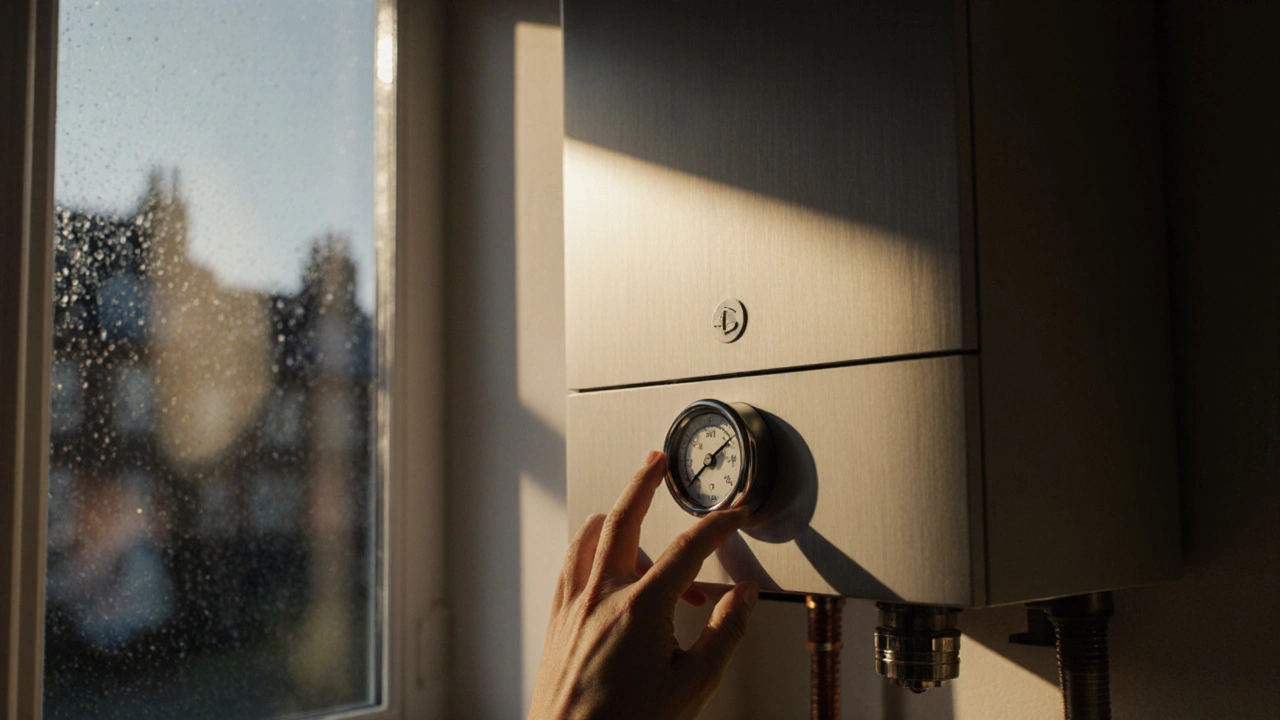
Step‑by‑step guide to diagnose common boiler problems, covering pressure, thermostat, fault codes, leaks, and when to call a professional.
In the world of home heating, boilers are real workhorses. But have you ever wondered how long your trusty boiler will keep chugging along? Typically, a boiler can last anywhere from 15 to 20 years, depending on various factors like maintenance, usage, and quality of installation. Knowing when to fix or replace your boiler not only ensures a warm home but also helps you avoid unexpected expenses.

Neglecting boiler maintenance can lead to a series of unfortunate events, from reduced heating efficiency to costly breakdowns. A neglected boiler could become a safety hazard, potentially increasing the risk of carbon monoxide poisoning. Regular servicing can enhance your boiler’s longevity, ensuring a warm home environment during cold spells. Discover why these routine check-ups are more crucial than many realize and learn how they can save you from avoidable expenses.

A malfunctioning boiler can be a real nuisance, especially during the cold months. Understanding whether a broken boiler constitutes an emergency is crucial. This article provides insights into when to prioritize boiler repairs, potential risks associated with delayed attention, and essential DIY tips to consider before professional help arrives. Dive into valuable advice on maintaining your heating system efficiently.

When facing a broken boiler, many homeowners find themselves debating the merits of repairing versus replacing. Considering factors like costs, age of the boiler, frequency of issues, and energy efficiency can help make an informed decision. Exploring repair benefits as a cost-saving solution might be worthwhile for some, while others may find replacement offers better long-term advantages. Understanding your system's specific needs ensures optimal performance during the colder months.
Deciding whether to repair or replace your hot water heater can feel overwhelming. This article explores practical considerations, including the age of the unit, repair costs, and long-term benefits. By understanding essential factors like energy efficiency and potential savings, homeowners can make informed decisions. Discover useful tips and interesting facts to help you choose the best course of action for your specific situation.
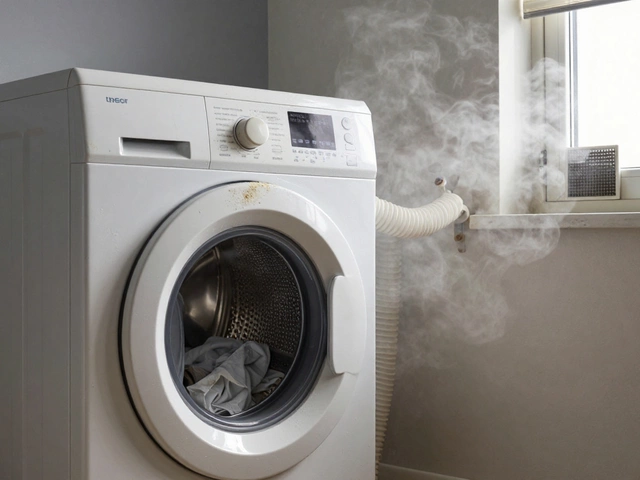
Most tumble dryers last 8-13 years, but poor maintenance can cut that in half. Learn the signs your dryer is failing, when to repair vs replace, and how to make it last longer.
Is your heat pump not blowing warm air? Here’s what causes it and how you can troubleshoot the issue. Easy fixes and tips for a cozy home.

Thinking about repairing your cooker? This guide covers repair costs, when to fix or replace, and expert tips to help you decide what's best.
Your fridge suddenly stopped cooling? It's not magic-it's usually a simple fix. Learn the top 6 reasons why fridges fail and what to do before calling a repairman.