

Nothing feels worse than a cold house on a frosty morning. Whether you rely on a heat pump, a gas boiler or an electric water heater, a hiccup in any of these systems can leave you shivering. The good news? Most common hiccups are easy to spot and often fixable without a full service call.
Heat pump not blowing warm air? First, check the thermostat setting – it’s a simple mistake that trips up many. Next, look at the outdoor unit: clear away leaves, dust and debris that can block airflow. If the fan still runs but air stays cold, the filter may be clogged; replace or clean it. Finally, listen for unusual noises; a rattling coil often means a loose fan blade that you can tighten yourself.
Boiler refuses to heat water? Start by confirming the pressure gauge sits between 1 and 1.5 bar. Low pressure can stop the burner, and topping it up with water usually solves the issue. If the pressure is fine, the thermostat or timer might be set wrong. Reset the boiler according to the manufacturer’s instructions – a quick press of the reset button can clear a temporary lockout. Persistent error codes (like "E1" or "E2") usually need a qualified engineer.
Hot water heater giving only lukewarm showers? For electric models, a tripped breaker is the first suspect – flip the switch back on and test. If the breaker holds, the heating element may have burnt out; swapping it out costs less than a full replacement. For gas heaters, a clogged burner or a faulty pilot light can cause low output. Clean the burner ports with a soft brush and relight the pilot following safety guidelines. If the pilot won’t stay lit, it’s time to call a pro.
Across all these systems, a regular flush can prevent scale buildup. For water heaters, flushing once a year removes sediment that reduces efficiency. Heat pumps benefit from an annual coil cleaning to keep heat exchange optimal.
If you’re dealing with gas, electricity or refrigerant, safety comes first. Anything that involves opening panels, handling gas lines or charging refrigerant should be left to a certified technician. Look for a Gas Safe registered engineer for boilers, and an electrician with experience in heating systems for heat pumps and electric heaters. Ask for proof of qualifications and a written quote before any work starts.
Choose a service that offers a guarantee on parts and labour – Bognor Regis Appliance Repair Experts, for example, provides a 12‑month guarantee on most repairs. A reliable company will also schedule routine servicing; an annual check can spot wear before it causes a breakdown, saving you time and money.
Finally, keep a simple log of any issues – note the date, symptoms and any steps you took. This information helps the technician diagnose the problem faster, and it can be handy for warranty claims.
Staying ahead of heating problems doesn’t have to be a headache. With a few quick checks, regular maintenance and the right professional on speed‑dial, you’ll keep your home warm all winter long. If anything feels beyond your comfort zone, give Bognor Regis Appliance Repair Experts a call – we’re ready to get your heating back on track fast.

Discover how much boiler service costs in 2025, what affects the price, what's included, and tips to save money while keeping your heating safe and reliable.
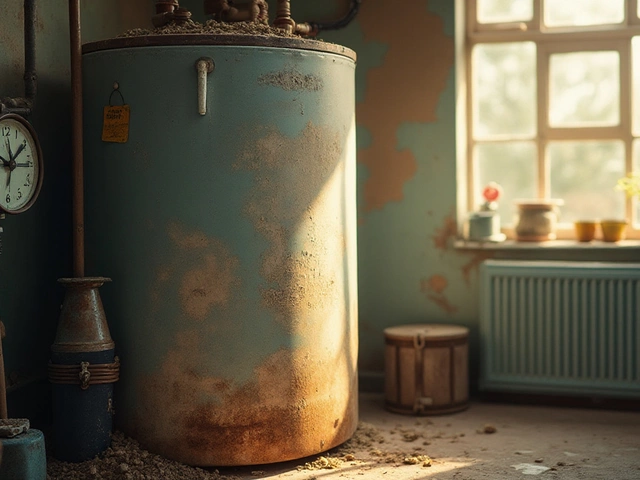
Neglecting to flush your water heater can lead to a host of issues, from inefficiency to full-blown malfunctions. Sediment buildup can decrease heating efficiency and even cause damage over time. This article explores what happens if you never flush your water heater, why regular maintenance is crucial, and how you can perform these tasks. Dive into practical advice and tips for maintaining a healthy water heating system.
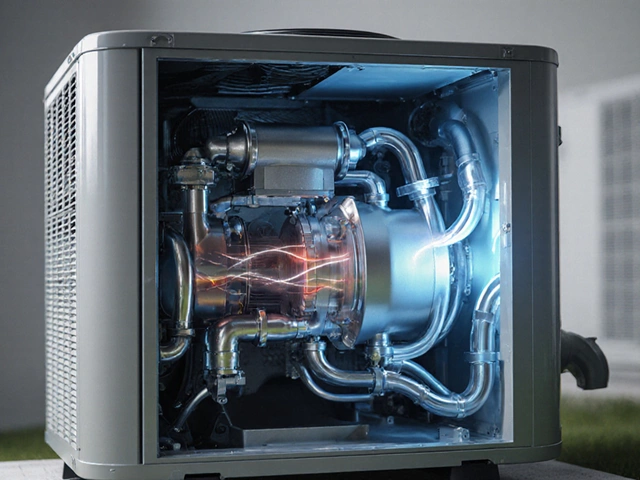
Find out the 2025 price range for heat pump compressors, what factors affect cost, how to get accurate quotes, and whether DIY or professional installation is best.
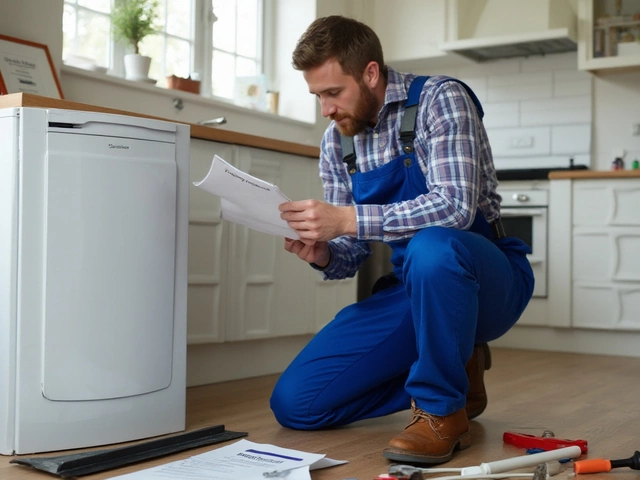
Plumbers are often the go-to professionals for a wide range of home repairs, but when it comes to boilers, it's essential to know their scope of work. This article delves into whether plumbers can actually handle boiler installations and replacements. You'll uncover what specific skills and certifications are required for boiler work, why hiring a specialized heating engineer may be recommended, and the potential risks of using underqualified technicians. Whether you're considering a new boiler or need an existing one serviced, understanding who is best suited for the task is crucial.
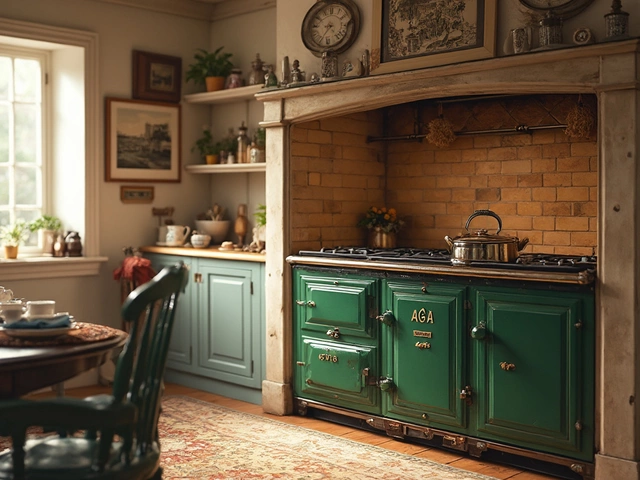
Ever wondered how long your trusty range oven will last? On average, a well-maintained range oven can serve you for about 10 to 15 years. Routine cleaning and minor repairs can help extend its lifespan. Knowing when to repair or replace your oven is crucial for efficiency and safety. Read on for practical tips to make sure your oven lasts as long as possible.
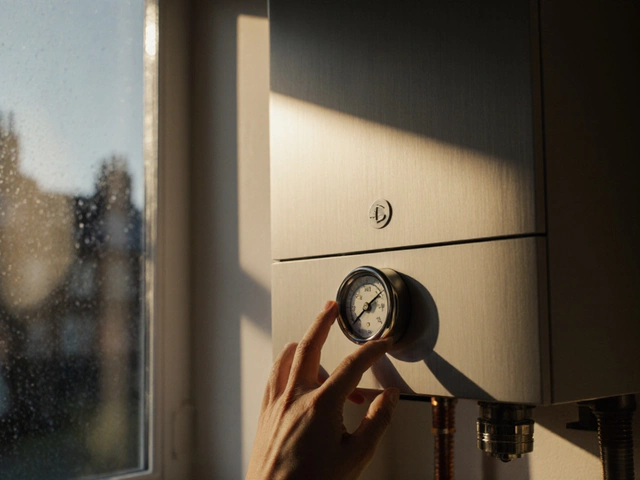
Step‑by‑step guide to diagnose common boiler problems, covering pressure, thermostat, fault codes, leaks, and when to call a professional.