

Feeling the chill before the season even starts? A few easy maintenance habits can stop that. Whether you’ve got a heat pump, a gas boiler, or an electric water heater, regular care saves money and avoids emergency calls. Below are the most useful checks you can do yourself, plus when to call a pro.
Start by cleaning the outdoor unit. Remove leaves, grass, and dust from the fan and coils. A garden hose on a gentle spray works, but never use high pressure—it can bend the fins. Inside, change the filter every 1‑2 months during heavy use. A clogged filter reduces airflow and makes the pump work harder.
Next, check the refrigerant lines for frost. A thin layer of ice is normal in cold weather, but thick ice means a problem with airflow or a low‑charge system. If the frost builds up quickly, call a certified technician to inspect the coil and fan motor.
Turn off the boiler and let it cool before doing any work. Look at the pressure gauge; it should sit between 1 and 1.5 bar when the system is off. Low pressure can cause the boiler to shut down, while high pressure risks leaks. If the reading is off, top up the system with water from the radiator bleed valve.
Every year, schedule a professional service. The engineer will test the combustion, clean the heat exchanger, and check the safety valve. Skipping this step can lead to carbon monoxide leaks, which are dangerous and costly.
Flushing the tank removes sediment that makes the heater work harder. Drain a few gallons, let the tank cool, then fill it with fresh water and a little vinegar. Run the heater for an hour, then flush again until the water runs clear. This simple task can extend the heater’s life by years.
Check the anode rod every two years. The rod protects the tank from corrosion; a heavily corroded rod means it’s time for a replacement. Replacing it yourself is easy—just unscrew the old rod and screw in a new one of the same size.
Finally, test the temperature setting. Aim for 120°F (49°C). Higher settings waste energy and increase the risk of scalding, especially for families with kids.
By handling these quick checks, you keep your heating system running efficiently and avoid surprise breakdowns. Remember, a little time now saves you hours of cold and costly repairs later.
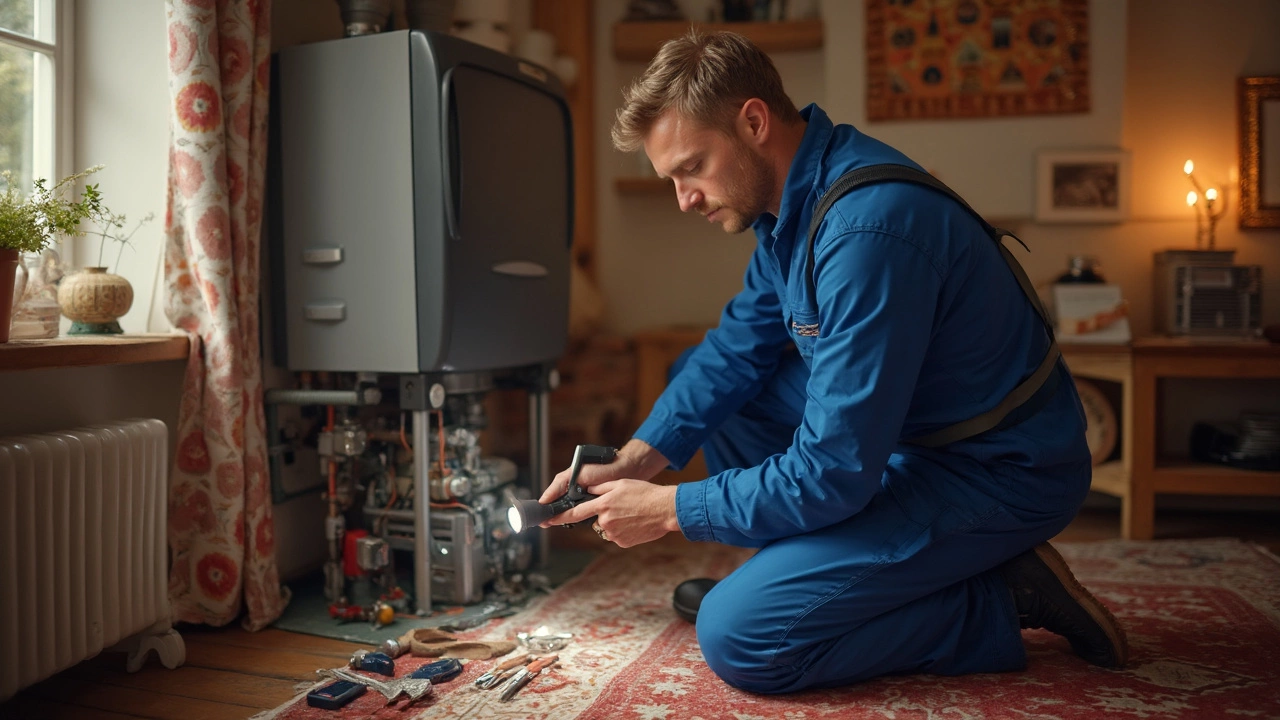
Regular boiler servicing is crucial to ensure safety and efficiency in home heating systems. A comprehensive service involves thorough inspections and cleaning, enhancing performance and extending the lifespan of the unit. Areas covered include checking the burner, inspecting the flue, and ensuring controls work correctly. Routine servicing helps prevent breakdowns and identifies potential issues early. Understanding what's involved can help homeowners make informed decisions and maintain reliable heating.
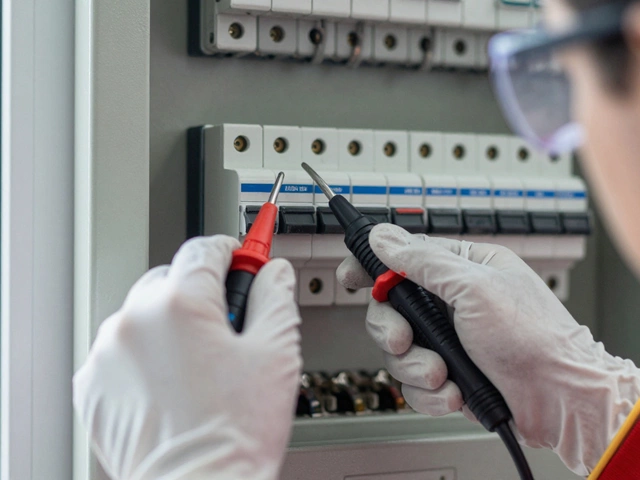
Learn how to safely clean your extractor fan motor to improve airflow, reduce odors, and prevent costly repairs. This guide covers safety steps, tools needed, and step-by-step instructions for a thorough clean.
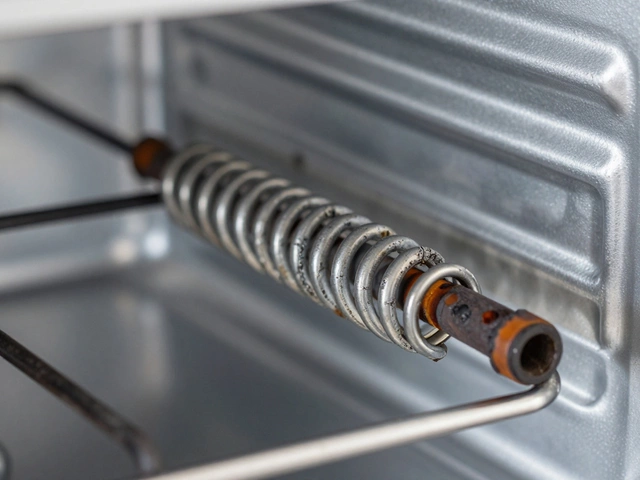
Find out exactly how much it costs to replace an oven heating element in the UK in 2026. Compare DIY vs professional repair prices, learn signs of failure, and decide if repair is worth it.
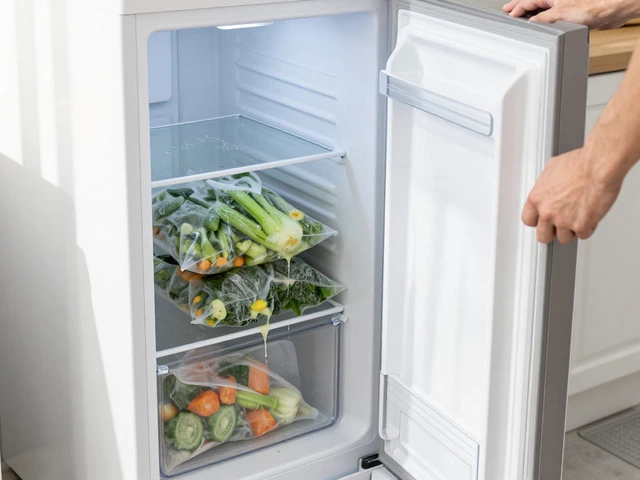
Learn how to troubleshoot a broken freezer step-by-step. From checking power sources to diagnosing defrost heaters, this guide helps you save food and money.

Thinking about swapping out your gas hob? Safety rules in the UK are strict, and there’s more to it than just unscrewing pipes. This article looks at whether you really need a gas engineer for the job, what could go wrong if you cut corners, how to pick the right pro, and little-known facts about what happens during an installation. It’s a no-nonsense breakdown for anyone facing a hob swap, putting your safety at the front of the queue.

Learn how to spot a malfunctioning heat pump, recognize warning signs early, and troubleshoot issues to keep your home comfortable and energy bills in check.