

When the house feels chilly, the first thing on your mind is fixing the heat. But before you call a technician, there are a few things you can check yourself. Most heating problems have an easy cause – a dirty filter, a tripped switch, or a minor part that needs replacing. This guide walks you through the most common issues and gives you clear steps to get warmth back fast.
Heat pumps are great, but they can act up when the outdoor temperature drops or when they’re not maintained. First, check the thermostat setting – make sure it’s on "heat" and the temperature is higher than the room. Next, look at the outdoor unit. If the fan isn’t spinning, clear away leaves, snow, or debris that could block airflow. A clogged filter inside the unit also reduces heat output; replace it if it looks dirty.
If the unit runs but still blows cold air, the refrigerant level might be low. That’s a job for a certified installer, but you can still avoid damage by turning the system off and scheduling a service. While you wait, use a space heater in the coldest room to keep things comfortable.
Boilers are the heart of many UK homes, and a loss of heat or hot water can freeze daily life. Start by checking the pressure gauge – it should sit between 1 and 1.5 bar when the system is cold. If it’s low, open the filling loop and let water in until the gauge reads the right level, then bleed any radiators that have trapped air.
Next, look at the power supply. A tripped breaker or a blown fuse can shut the boiler down instantly. Reset the breaker or replace the fuse, then try restarting the boiler. If the burner still won’t fire, the thermostat sensor could be faulty; many boilers have a reset button you can press for a few seconds.
For hot water problems, a common culprit is the immersion heater in electric water tanks. Turn the power off at the mains, remove the top cover, and check the element for signs of corrosion. If it looks damaged, swapping it out is usually cheaper than replacing the whole tank.
When you’ve gone through these checks and the heat still won’t come back, it’s time to call a professional. A qualified engineer can test the internal safety valves, check the heat exchanger for scale, and ensure everything is working safely.
Even if you end up needing a pro, doing the basic checks yourself can save you a call‑out fee and give the technician a clear idea of what’s wrong. Plus, you’ll feel more in control of your home’s comfort.
Remember, regular maintenance keeps most heating issues at bay. Clean or replace filters every three months, schedule a yearly boiler service, and keep the outdoor unit clear of debris. A little upkeep now means fewer cold evenings later.
Got a specific heating problem that isn’t covered here? Our team at Bognor Regis Appliance Repair Experts can help. We’ve dealt with everything from noisy heat pumps to stubborn boiler leaks, and we’ll get your home warm again without any hassle.

Electric ovens are handy, but they're not immune to problems. This article breaks down the most common faults people face, from ovens not heating properly to strange noises and error codes. You’ll get real tips on troubleshooting and signs when it’s time to call in the pros. Save time (and maybe some frustration) by knowing what to look out for. Find out why your oven might let you down and how to deal with it.

Looking for the right person to service your boiler? Here’s what you need to know about boiler service, finding qualified engineers, costs, and why it matters in 2025.

Cracks in electric hobs can show up suddenly and cause real headaches in the kitchen. This article looks at why electric hobs crack, from common mistakes to sneaky issues with installation. You'll get practical tips on how to prevent damage and handle minor cracks. Find out when you can fix a hob yourself and when it's smarter to call for professional help. Stay ahead of costly repairs and keep your cooking space safe.
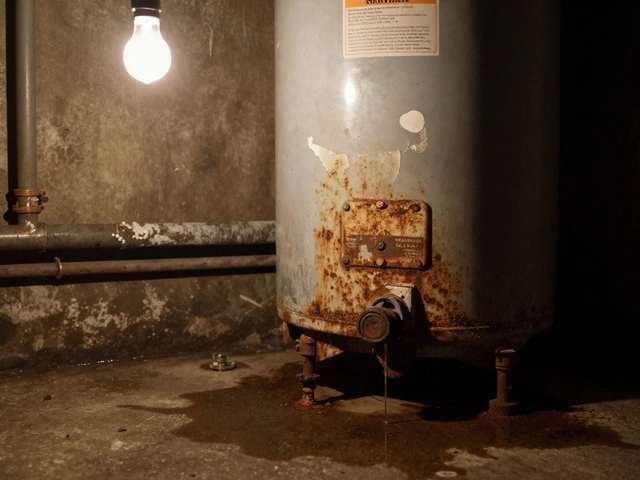
A 20-year-old water heater is likely inefficient, unsafe, and prone to sudden failure. Repairing it may seem cheaper, but replacement saves money, energy, and prevents costly water damage. Here’s what you need to know before deciding.

Wondering if it's worth repairing your electric oven or if you should just buy a new one? This article dives into the factors to consider, from cost effectiveness to the age of your appliance, helping you make an informed decision. We'll discuss common issues that can be fixed, when to call in a pro, and some smart tips to extend the lifespan of your oven. By the end, you'll know whether fixing or replacing is the better choice for your situation.

Is your 10 year old dryer gasping for air, and you’re wondering if it’s time to fix or toss it? This article breaks down how long dryers usually last, what typical repair costs look like, and when it just makes more sense to get a new one. You’ll find smart tips to figure out if fixing an older dryer is throwing good money after bad or saving yourself from an expensive upgrade. Get real-life advice that skips the fluff and gets to the point.