

If your home feels too cold, your hot water is lukewarm, or the heat pump won’t blow warm air, a heating engineer is the person to call. These pros know how to diagnose and repair everything from boilers and radiators to modern heat pumps and water heaters. Knowing what they tackle can save you time, money and a lot of unnecessary stress.
Most heating engineers start by checking the basics: power supply, thermostat settings and visible signs of damage. From there they move on to specific systems:
These fixes are often quick, but catching them early prevents bigger breakdowns and higher bills.
There are a few low‑risk tasks you can handle yourself. Resetting a water heater, cleaning a heat pump filter or bleeding a radiator are straightforward and safe with a screwdriver and a bucket. However, anything involving gas lines, electrical components or sealed refrigerant systems should be left to a qualified heating engineer. Messing with a gas boiler without the right certification can be dangerous and may void warranties.
Use these quick checks before you call:
If the answer to any of these is “yes,” or if you’re unsure, give a heating engineer a call. They’ll arrive with the right tools and certification to safely fix the problem.
At Bognor Regis Appliance Repair Experts we specialize in fast, reliable service for all heating systems. Our technicians are Gas Safe registered and can handle heat pumps, boilers, water heaters and even extractor fans. We’ll assess the issue, give a clear quote, and get your home back to a comfortable temperature without unnecessary delays.
Remember, regular maintenance is the best defense against breakdowns. Schedule a yearly boiler service, clean heat pump filters every 3‑6 months, and flush your water heater annually. These simple habits keep your heating system efficient and extend its lifespan, saving you money in the long run.
Got a heating problem? Don’t wait for winter to get worse. Contact a qualified heating engineer today and enjoy a warm, worry‑free home.
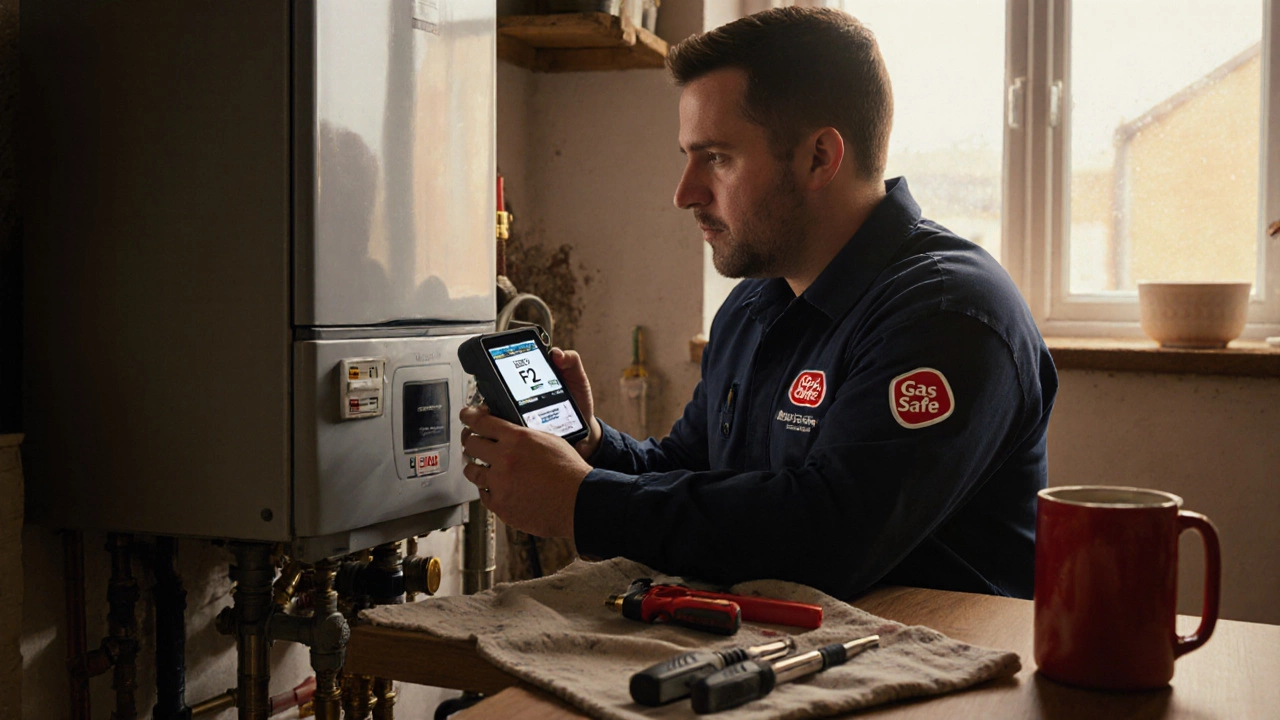
Not all plumbers can fix boilers-only Gas Safe registered engineers can legally work on gas systems. Learn when to call a plumber vs. a heating engineer, how to verify qualifications, and what to expect from a boiler service.
Wondering whether plumbers can fix your boiler? This article breaks down exactly what plumbers do, where their work overlaps with heating engineers, and when you need a specialist. You’ll get practical advice for dealing with boiler issues, tips for finding the right tradesperson, and a look at why gas safety credentials matter so much. There’s even a checklist for what to ask before hiring someone for your boiler job. Skip the confusion and figure out who to call, fast.

Fridge warm but the light works? Find out why your refrigerator isn’t cooling, common causes, fixes, and when to call in an expert. Easy troubleshooting tips inside.

Thinking about swapping out your gas hob? Safety rules in the UK are strict, and there’s more to it than just unscrewing pipes. This article looks at whether you really need a gas engineer for the job, what could go wrong if you cut corners, how to pick the right pro, and little-known facts about what happens during an installation. It’s a no-nonsense breakdown for anyone facing a hob swap, putting your safety at the front of the queue.

Ever found yourself standing in front of a stubborn washing machine that just won’t cooperate? It can be frustrating, right? This practical guide walks you through the simple steps to reset your washing machine, saving you from unnecessary headaches. From spotting common issues to quick fixes, you'll find all you need to get your washer back on track.
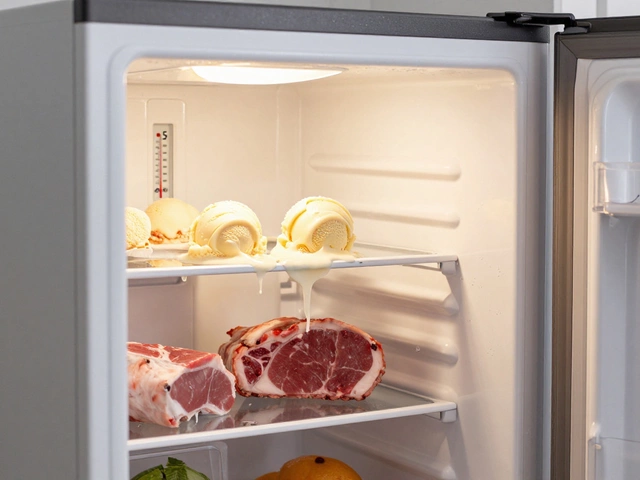
When your freezer stops freezing, food spoils fast and bills spike. Learn the top causes - from bad seals to failing compressors - and how to fix them yourself before calling a technician.
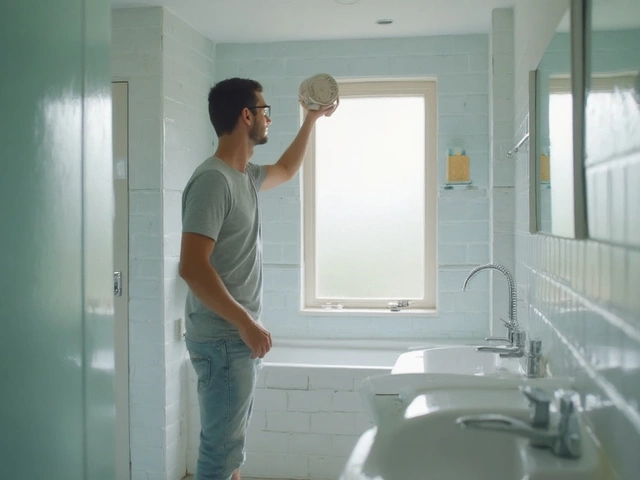
Nobody wants to deal with a stuffy bathroom or smoky kitchen, but if your extractor fan isn’t working, that’s exactly what you’ll get. This article shows you how to check if your extractor fan is doing its job or just taking up space. From simple power checks to quick airflow tests, you’ll learn hands-on methods anyone can use—no tech wizardry needed. Expect practical tips, a couple of helpful tricks, and signs that tell you when it’s time to call an expert. Don’t let stale air hang around: let’s figure out what your fan is up to.