

If your home feels like a freezer, you’re dealing with a heating emergency. The first thing to do is stay calm and figure out what’s actually broken. Sometimes the problem is a simple reset, a tripped breaker, or a clogged filter. Other times you need a qualified technician fast – especially with boilers, heat pumps, or hot water systems that could pose safety risks.
Start by checking the power supply. Is the circuit breaker on? If a breaker has tripped, flip it back and see if the heater turns on. Next, look at the thermostat. Make sure it’s set to "heat" and the temperature is higher than the room temperature. If the thermostat has dead batteries, replace them – a common cause of silence.
For heat pumps, listen for the fan. If it runs but no warm air comes out, the outdoor unit might be frozen. Switch it to "defrost" mode if your model has one, or turn the system off for 15 minutes to let any ice melt. Boilers often make a whistling noise when air is trapped in the system. Bleeding the radiators can release that air and restore heat quickly.
Hot water emergencies are a bit different. No hot water? Check the water heater’s pilot light (for gas models) or the reset button (for electric units). If the water is lukewarm, a sediment buildup could be the culprit – flushing the tank can help, but it’s a job for a pro if you’re unsure.
When you’ve run the basic checks and nothing works, it’s time to call a specialist. Call a local, reputable service like Bognor Regis Appliance Repair Experts. Explain the symptoms, what you’ve already tried, and any safety concerns (like gas smells or water leaks). This lets the technician bring the right tools and parts on the first visit.
While you wait for the pro, keep safety first. Turn off the heating system’s main power if you suspect an electrical fault. Shut off the gas supply if you smell gas – go outside and call the gas emergency line. For water leaks, turn off the main water valve to prevent flooding.
Don’t try to dismantle a boiler or heat pump yourself unless you’re trained. Even a simple mistake can cause damage or a dangerous situation. Instead, focus on keeping the area clear, ventilating if there’s a gas scent, and noting any error codes displayed on the unit.
Once the expert arrives, they’ll perform a quick diagnostic, clear any faults, and advise on whether a repair or replacement makes sense. If the heating system is old and constantly breaking down, they’ll discuss energy‑efficient upgrades that could save you money in the long run.
Remember, a heating emergency doesn’t have to ruin your day. A few basic checks can solve minor hiccups, and a trusted local repair service can get your home back to a comfortable temperature fast and safely.

Wondering how long you can cope with a broken boiler? Get clear facts, repair timelines, survival tips, and legal details so you don’t get left in the cold.
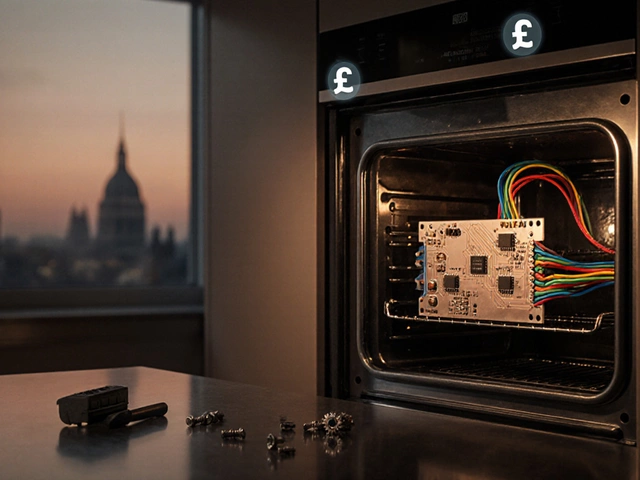
Learn the typical UK price for an oven control board, factors that affect cost, DIY steps, and when to call a professional in 2025.
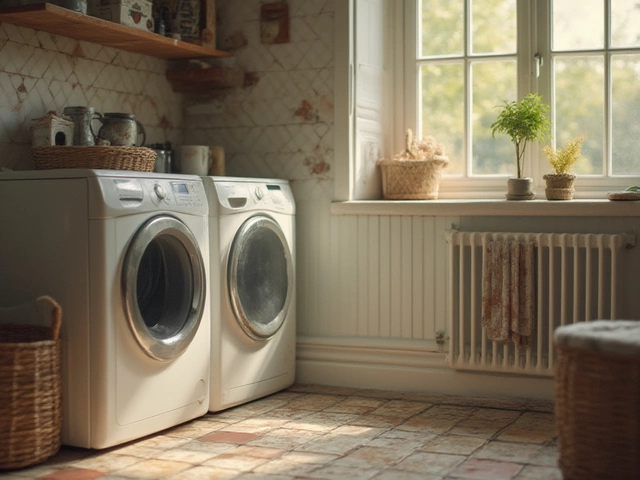
Is your washing machine considered old? Learn the real lifespan, signs it's aging, and pro tips to keep it running longer. Get real facts and advice from an expert.
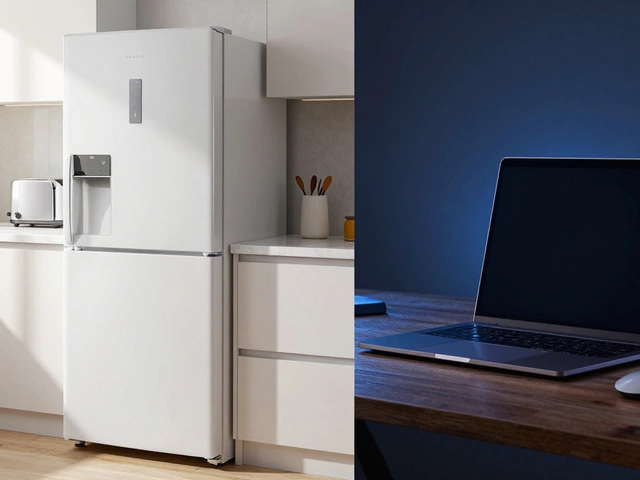
Is a laptop an appliance? Discover why the distinction between consumer electronics and household appliances matters for repairs, warranties, and insurance.

A practical guide for diagnosing common refrigerator problems, spotting signs of faults, and fixing them at home with tips and real-world facts.

This article provides a comprehensive guide on how to test and maintain your kitchen extractor fan to ensure it functions optimally. It includes practical steps for diagnosing common issues, cleaning tips to improve efficiency, and essential maintenance advice. Discover how to test airflow and electrical components safely, ensuring your kitchen remains free from unwanted odors and excess humidity. Learn valuable insights and practical tips to keep your extractor fan in top shape.