

When it comes to heater maintenance, the routine care of all home heating equipment to keep it efficient, safe and long‑lasting. Also known as heating system upkeep, it includes work on boiler servicing, checking pressure, cleaning burners and testing safety valves, heat pump care, cleaning coils, inspecting fans and verifying refrigerant levels, regular water heater flushing, removing sediment to prevent scale buildup and heat loss, and even the extractor fan, which helps vent moisture and protect heating components from excess humidity. Proper heater maintenance lowers energy bills, avoids unexpected breakdowns, and keeps indoor comfort consistent year‑round.
Heater maintenance isn’t a one‑time task; it’s a schedule of checks that match each device’s needs. For boilers, the key attributes are pressure stability, fuel efficiency and safety valve function. A yearly tune‑up can catch corrosion early, saving you from costly part replacements. Heat pumps rely on clean heat exchangers and properly charged refrigerant; neglect leads to reduced COP (coefficient of performance) and higher electricity use. Water heaters benefit from an annual flush that removes mineral deposits—otherwise, heating elements or burners work harder and fail sooner. Even extractor fans should be inspected every 2‑3 years; clogged filters reduce airflow, causing damp spots that can damage heating ducts. By aligning maintenance frequency with these attributes, homeowners create a feedback loop: smooth operation → lower energy use → less wear → fewer service calls.
Another practical tip is to keep a simple log. Note the date of each service, what was cleaned or replaced, and any unusual noises you heard. Over time this log becomes a diagnostic tool; if a boiler starts to lose pressure after a service, you can pinpoint whether a valve was the culprit. The same approach works for heat pumps—track coil cleaning dates, and you’ll see a clear pattern in performance gains. Tools like a pressure gauge for boilers, a coil cleaning brush for heat pumps, and a garden hose for water heater flushing are inexpensive but make a big difference. Remember, safety first: always turn off power or gas before opening any component, and if you’re unsure, call a certified technician.
With this foundation you’ll find the articles below cover everything from cost guides for boiler repairs to step‑by‑step resets for water heaters. Whether you’re tackling a quick filter change on an extractor fan or planning a comprehensive boiler service, the collection gives you the knowledge to act confidently and keep your heating system humming.
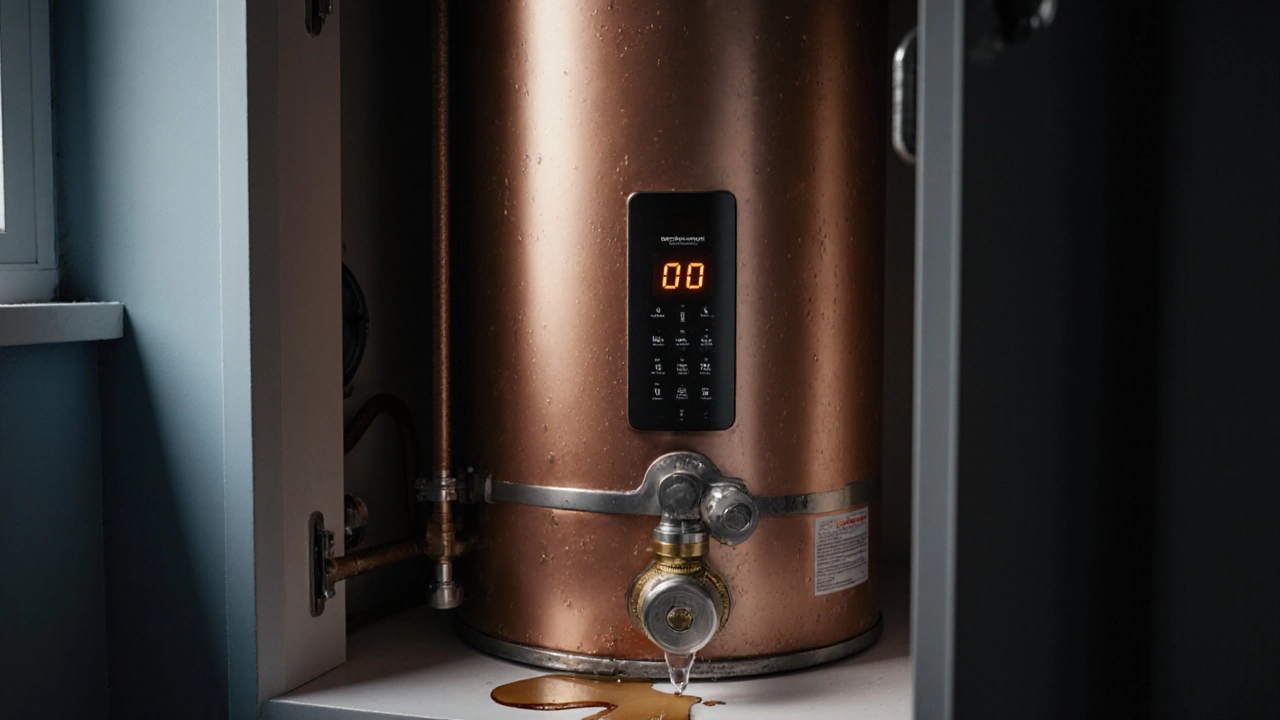
Spot the top warning signs of a failing hot water heater, from strange noises and leaks to temperature swings and error codes, plus practical fixes and when to call a pro.

Boilers, integral to any home heating system, don't last forever. Understanding their lifespan can help you plan timely maintenance and replacements to ensure efficient heating. In this article, we explore how long you can expect your boiler to serve you, what affects its longevity, and how regular care can make a difference. By understanding these aspects, homeowners can make informed decisions regarding their heating needs and avoid unexpected failures.
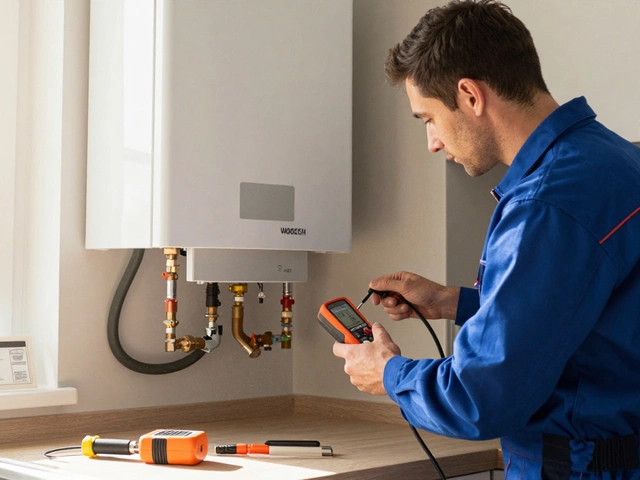
A typical boiler service takes 60 to 90 minutes, but older or neglected systems may require 2-3 hours. Regular annual servicing prevents breakdowns, improves efficiency, and keeps warranties valid. Always choose a plumber who tests gas safety and provides a written report.

Stuck between fixing or swapping your boiler? Discover the real facts, costs, tips, and how to make the right call for your property, budget, and comfort.

Experiencing a sudden loss of hot water can be inconvenient and potentially alarming. Understanding common reasons for this issue, such as thermostat malfunctions or a broken heating element, can help you troubleshoot the problem. Sometimes the solution is as simple as relighting the pilot light or adjusting the thermostat settings. For more complex issues, professional repair might be necessary. This article provides insightful tips and practical information to help you get your hot water flowing again.
Neglecting boiler maintenance can lead to a series of unfortunate events, from reduced heating efficiency to costly breakdowns. A neglected boiler could become a safety hazard, potentially increasing the risk of carbon monoxide poisoning. Regular servicing can enhance your boiler’s longevity, ensuring a warm home environment during cold spells. Discover why these routine check-ups are more crucial than many realize and learn how they can save you from avoidable expenses.