

When dealing with Heat Pump Parts, the essential components that enable a heat pump to move heat efficiently. Also known as HVAC components, you’re looking at pieces like compressors, evaporators, condensers, expansion valves and control boards. These parts aren’t just random bits; they form a system that heat pump parts determine how well your whole heating solution works. Heat Pump, a device that extracts heat from one place and delivers it to another relies on the quality of each component, whether it’s an Air Source Heat Pump, a unit that pulls heat from outdoor air or a Ground Source Heat Pump, a system that taps into the stable temperature of the earth. If any part fails, the whole system can lose efficiency, make strange noises, or stop working altogether. That’s why understanding the role of each part helps you spot problems early and decide whether a simple fix or a professional call is needed.
Think of a heat pump like a car engine: the compressor is the heart, the expansion valve is the bloodstream, and the control board is the brain. When the compressor (often a reversible motor) runs smoothly, the pump can lift heat from a cold source and release it inside your home with minimal electricity. A worn compressor or a clogged condenser coil reduces the Seasonal Coefficient of Performance (SCOP), meaning you’ll pay more on your energy bills. Similarly, a faulty expansion valve can cause pressure spikes, leading to leaks or frozen coils. The air‑source units also depend on outdoor coils that must stay clear of debris; if the coil is dirty, the heat exchange drops dramatically. For ground‑source systems, the buried loop pipes must be intact – a leak there can cripple the whole setup and require costly excavation. Regular checks of these parts—cleaning coils, testing refrigerant pressure, inspecting wiring—can add years to a pump’s lifespan and keep the efficiency numbers high.
Our collection of articles below covers the full spectrum of heat pump part issues. You’ll find step‑by‑step guides on troubleshooting a unit that won’t blow warm air, advice on when a part replacement makes sense versus a full system upgrade, and detailed looks at how climate impacts component wear. Whether you’re a DIY‑enthusiast trying to replace a faulty fan motor, or you need to understand why your air‑source pump struggles in a frosty winter, the posts give clear, practical advice without unnecessary jargon. Dive in to learn how each part interacts, what maintenance tasks save you money, and which signs scream “call a professional.”
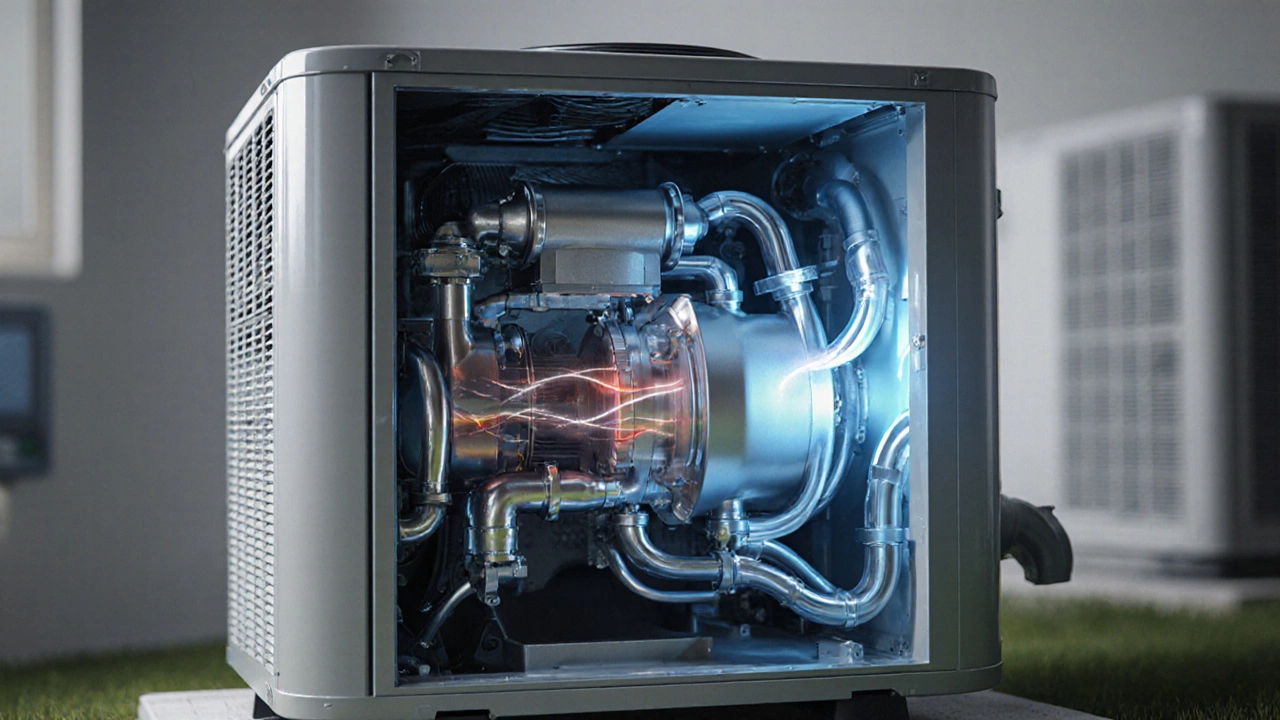
Find out the 2025 price range for heat pump compressors, what factors affect cost, how to get accurate quotes, and whether DIY or professional installation is best.

When your water heater only puts out cold water, it’s more than just annoying—it can point to real problems inside the unit. This article breaks down the most common reasons behind a water heater that refuses to warm up, from tripped breakers to busted heating elements. You’ll find tips on quick checks you can do at home before calling a pro, plus some unexpected facts about how water heaters really work. Knowing what’s wrong can save you from a frigid morning shower and a giant repair bill. Get ready to tackle that cold water problem with practical advice you can use right away.

Ever wondered who foots the bill for boiler service in your home? This article delves into the responsibilities of homeowners and landlords when it comes to boiler maintenance. It offers practical tips for navigating service agreements and highlights some surprising facts about cost-savings that effective maintenance can offer. Discover insights and advice on ensuring your boiler runs smoothly without burning a hole in your wallet.

Dealing with a lack of hot water can be incredibly frustrating, especially during colder months. This article provides step-by-step guidance to identify and fix common issues with water heaters, ensuring you can tackle minor problems yourself before calling a professional. By understanding the functionality and common problems associated with water heaters, you can save time, money, and avoid inconvenient cold showers.

Discover what makes some refrigerator repairs more costly than others. From compressor issues to electronic faults, fixing these problems can hit your wallet hard. We'll uncover why some are pricier than others and offer tips on how to avoid them. Learn about preventive measures to save you money in the long run. This guide is a must-read for every fridge owner looking to keep repair costs at bay.

Fixing an extractor fan can be a straightforward process if approached with the right tools and knowledge. This article delves into various factors affecting repair time, common issues encountered, necessary tools, and preventive tips to maintain optimal performance. Readers will discover useful advice on diagnosing problems and learn how to efficiently address and resolve them, ensuring a smooth and fresh airflow in kitchens and bathrooms.