

If your heat pump is blowing warm air instead of cool, you’re probably feeling the heat. The good news is many of the reasons are easy to spot and fix. Below you’ll find the most common culprits and step‑by‑step actions you can take before picking up the phone.
First, remember that a heat pump works like a reversible fridge. It needs clean airflow, the right refrigerant level, and a functional thermostat. Any hitch in those systems can stop cooling in its tracks.
Many of these issues show up in our other guides, like “Heat Pump Not Blowing Warm Air? Troubleshooting & Common Fixes” and “When Is a Heat Pump No Longer Efficient?”. Those articles dive deeper into each symptom.
Before you call a technician, run through this quick checklist. You’ll need a screwdriver, a vacuum, and a flashlight.
If the unit still only blows warm air after these steps, it’s time to call a pro. Low refrigerant, a failing compressor, or electrical faults need a certified technician. Our team at Bognor Regis Appliance Repair Experts can diagnose the problem fast and get your heat pump back to cooling in no time.
Remember, regular maintenance – a quick filter swap and yearly coil cleaning – can prevent most cooling hiccups. Keep an eye on performance, and you’ll enjoy consistent comfort without expensive emergency calls.
Got more questions? Browse our related posts: “Heat Pump Lifespan in the UK”, “Heat Pump Not Blowing Warm Air?” and “When Is a Heat Pump No Longer Efficient?”. They’re packed with tips on extending life and saving energy.
Don’t let a warm‑blowing heat pump ruin your day. Check the basics, clean what you can, and call us if the problem sticks. We’ll have your home feeling cool again, fast.

Is your heat pump running but not cooling your home? Learn the real causes, expert troubleshooting tips, and practical solutions to get your comfort back.

Considering replacing your electric oven on your own? Before you jump into action, it's crucial to understand the steps involved and the potential challenges you might face. From ensuring safety precautions to understanding the basic wiring, this article delves into what you need to know. We'll discuss not only the tools and skills required but also when it's better to call in a professional. By the end, you'll have a clearer picture of whether you should tackle this task yourself or seek expert help.
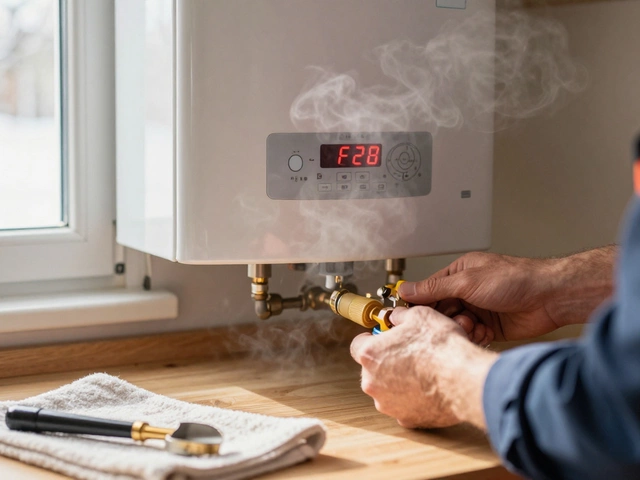
Boiler repairs in the UK usually take 1 to 3 hours, but major issues like a cracked heat exchanger can take half a day. Learn what affects repair time and when replacement is smarter than fixing.

Dryers are workhorses in the laundry room, but they aren't immune to problems. This article breaks down the most common issues found in tumble dryers, from weird noises to clothes that just won't get dry. You'll find straightforward explanations for why these problems happen and learn some practical tips to fix or prevent them. Plus, get the inside scoop on when you should call for a pro. Save money, avoid headaches, and keep your dryer running smoother for longer.

Fixing an electric stove might seem daunting, but many common issues are surprisingly manageable with a bit of know-how. From understanding why the burners aren't heating to recognizing if a problem needs professional attention, this article sheds light on various aspects of electric stove repair. Whether you're dealing with strange noises, faulty wiring, or a completely inoperative oven, we explore what’s usually repairable and what might require a replacement. With practical tips, learn to troubleshoot and potentially save on costly service calls.
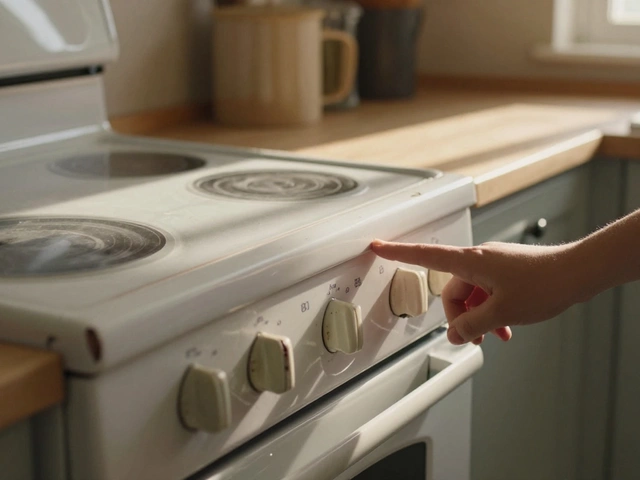
Deciding whether to fix an old stove? Learn how to weigh repair costs against buying a new unit, factoring in safety, energy bills, and part availability for a 15-year-old appliance.