

When dealing with gas water heater reset, the act of clearing a fault condition on a gas‑fired hot water system so it can resume normal heating. Also known as heater reset procedure, it is a quick first‑step before calling a professional.
The high limit switch, a safety device that cuts power when water temperature exceeds a safe limit is the component you press during a reset. The gas water heater, a unit that heats domestic water using a gas burner and a thermostat relies on that switch to protect the system. The thermostat, the sensor that tells the heater when the water has reached the set temperature works together with the high limit switch to regulate heat. Together they form the core safety loop of a gas‑powered water heating system.
Why does a reset become necessary? Often the heater detects water that’s too hot, a blocked vent, or a gas supply hiccup. When any of those conditions happen, the high limit switch trips and the unit shuts down. You’ll usually see an error code, a blinking LED, or simply no hot water. In most cases the fault is temporary, so a reset can restore service without any parts replacement.
Before you press the reset button, follow three safety steps. First, turn off the gas supply at the valve to prevent accidental ignition. Second, switch off the electrical power at the breaker – the reset button is an electrical component. Third, let the tank cool for at least five minutes; a hot surface can cause burns. Once those precautions are in place, press the reset button firmly, wait a few seconds, then restore power and gas. If the heater ignites and produces hot water, the issue was likely a momentary spike.
If the heater doesn’t fire after a reset, check the fault code on the display. Most modern units use a two‑digit code that points to a specific problem – for example, “E1” often means a thermostat failure. Use the manufacturer’s guide to match the code with a troubleshooting step. Also, measure the water temperature at the tap; if it’s below 120 °F (49 °C) the system may still be in a lock‑out state. In those cases, repeat the cooling period and try the reset again before moving on.
Sometimes a reset won’t solve the problem. Persistent error codes, repeated trips, strange noises, or water leaks are signs that a component has failed. The high limit switch itself can wear out, the gas valve may be stuck, or the thermostat could be misreading temperature. When you encounter any of those symptoms, stop the DIY attempts and call a Gas Safe registered engineer. Continuing to press the reset button can damage the unit or create a safety hazard.
Regular maintenance can keep resets to a minimum. Flush the tank once a year to remove sediment that can block the heat exchanger. Inspect the vent pipe for obstructions and clean the burner eyes annually. Test the pressure relief valve to ensure it opens correctly. Keeping the gas line clean and checking for proper gas pressure also reduces false trips. These simple habits extend the life of the heater and keep the safety loop working as designed.
Below you’ll find a collection of articles that dive deeper into each of these topics. We cover cost guides for boiler repairs, troubleshooting steps for gas appliances, why hot water might work at a sink but not a shower, and the safety side of pressing a water heater reset button. Whether you’re looking for quick fixes or detailed explanations, the posts give you the context you need to decide when a reset is enough and when professional help is required.
Ready to explore those insights? Scroll down to discover practical tips, common fault explanations, and step‑by‑step guides that will help you handle a gas water heater reset with confidence.
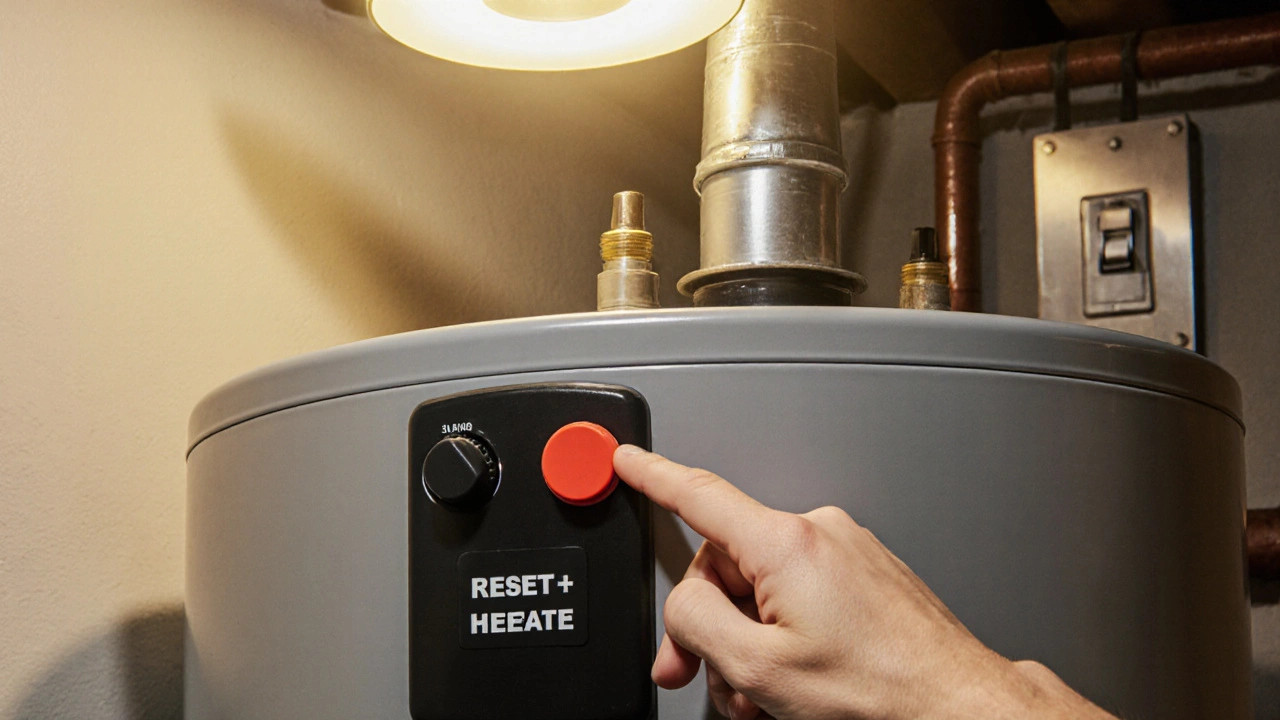
Learn how to safely reset both electric and gas hot water heaters, troubleshoot common issues, and know when to call a professional.

Replacing the anode rod in a water heater can extend its lifespan and prevent costly repairs. This article breaks down the cost of replacement, including materials and labor, and discusses why it's a crucial part of water heater maintenance. Discover how often anode rods should be checked and what signs indicate it's time for a replacement. Whether you DIY or hire a pro, understanding these factors can save you money and stress.
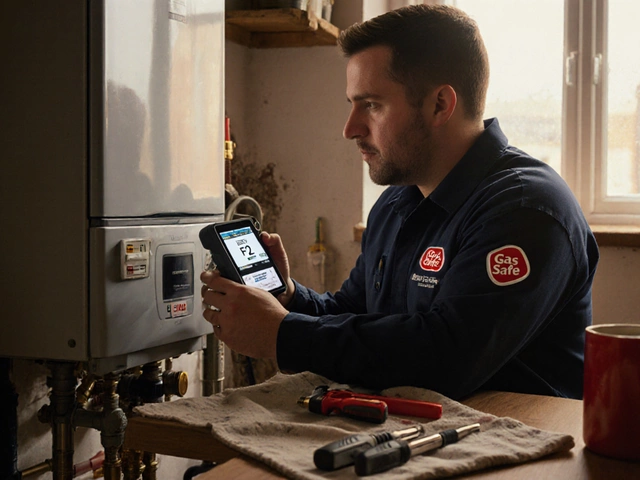
Not all plumbers can fix boilers-only Gas Safe registered engineers can legally work on gas systems. Learn when to call a plumber vs. a heating engineer, how to verify qualifications, and what to expect from a boiler service.
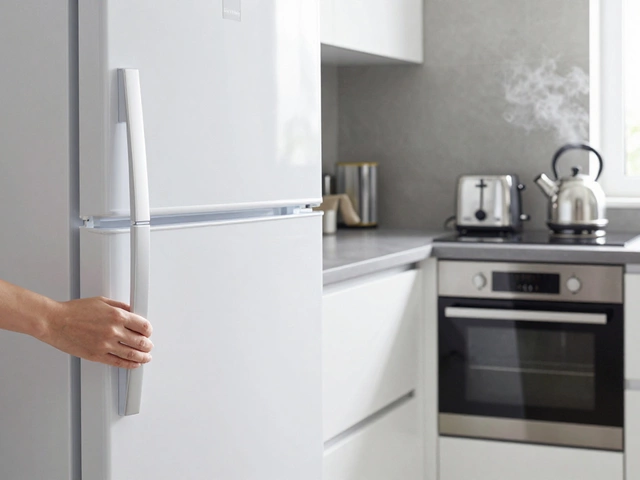
An appliance is a device designed to perform a specific household task like cooking, cleaning, or cooling. It’s not just anything that plugs in - it must replace manual labor and be used regularly at home. Understanding this helps you find the right repair service and know what’s covered under warranties.

Thinking about swapping out your electric oven? This article covers how tough the job really is, where people usually get stuck, and what you actually need to know. We break down what tools you really need, what pitfalls you can avoid, and when you should probably call someone who’s done it before. Get ready for straight talk—no tech jargon, just real advice for regular folks. Whether you DIY or call a pro, you’ll walk away ready to make a smart decision.
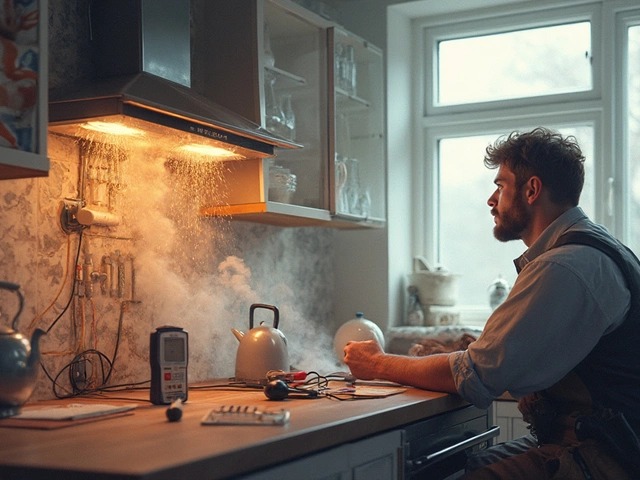
Extractor fans are essential for maintaining good air quality in homes, but what happens when they break down? This article explores whether electricians are the right professionals to fix extractor fans, the typical issues these fans encounter, and some maintenance tips to avoid frequent repairs. Learn about the repair process and when it might be time to replace your fan altogether.