

If your gas hob is acting up, you don’t have to panic. Most issues are simple enough to sort out yourself, and a few minutes of work can save you a callout fee. Below we break down the most common problems, give you fast DIY steps, and let you know the signs that it’s time to bring in a professional.
Flame won’t light. First, check the ignition switch – it might be dirty or loose. Clean the spark electrode with a damp cloth and make sure the knob turns fully to the ‘ignite’ position. If there’s still no spark, the gas supply could be blocked. Turn the hob off, wait a minute, then open the gas valve a little and try again.
Uneven or weak flame. A clogged burner hole is usually to blame. Remove the burner cap, soak it in warm, soapy water and use a soft brush to clear any food debris. Rinse and dry fully before re‑installing. If the flame is still low, the regulator might need adjustment – a tiny turn clockwise can raise the pressure, but don’t over‑do it.
Sputtering or hissing sound. That often means air is mixing with the gas. Loosen the burner a bit, clean the ports, then re‑tighten. A slight wobble can let extra air in; snug it up and the flame should smooth out.
Smell of gas. If you notice a faint odor, turn off the hob and the main gas supply immediately. Open windows, avoid creating sparks, and call a qualified engineer. A leak can be dangerous and should be handled by a professional.
Noise while cooking. A rattling burner usually means something is loose or a piece of debris is trapped. Take the burner apart, give it a good wipe, and make sure all screws are tight before you put it back together.
Regular care keeps your hob running smoothly and extends its life. Here’s a quick weekly routine:
Safety tip: always keep a fire extinguisher rated for gas fires nearby. If the flame goes out unexpectedly, turn the knob to ‘off’, wait a few seconds, then relight. Never use water on a gas fire.
When DIY steps don’t solve the issue, or you’re uncomfortable working with gas, call Bognor Regis Appliance Repair Experts. Our trained technicians have the tools and experience to diagnose hidden faults, fix regulator problems, and ensure everything meets safety standards. We’ll get your hob cooking again without hassle.
Got a stubborn gas hob that just won’t behave? Try the quick fixes above, keep up with the maintenance checklist, and don’t hesitate to reach out for professional help when needed. A well‑maintained hob means faster meals, safer kitchens, and peace of mind.

Gas hobs can suddenly stop working for a bunch of reasons, from ignition troubles to blockages or problems with gas supply. This article breaks down the main causes, so you don't have to guess what went wrong. You'll learn easy troubleshooting steps and a few quirky facts about why these appliances get stubborn. With some quick checks, you might even save yourself a call to the repair guy. Know when it’s a simple fix and when it’s time for a pro.
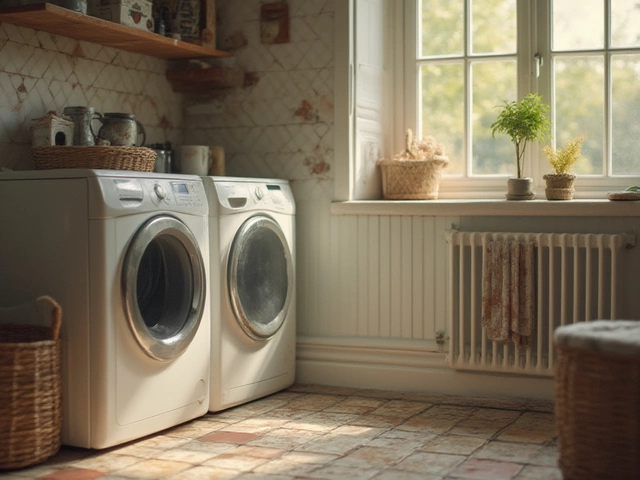
Is your washing machine considered old? Learn the real lifespan, signs it's aging, and pro tips to keep it running longer. Get real facts and advice from an expert.

Is your 10 year old dryer gasping for air, and you’re wondering if it’s time to fix or toss it? This article breaks down how long dryers usually last, what typical repair costs look like, and when it just makes more sense to get a new one. You’ll find smart tips to figure out if fixing an older dryer is throwing good money after bad or saving yourself from an expensive upgrade. Get real-life advice that skips the fluff and gets to the point.

Navigating the decision between repairing or replacing a 10-year-old stove can be challenging. This article explores various factors including repair costs, the longevity of appliances, and energy efficiency to help homeowners make an informed decision. Additionally, it provides tips and insights on evaluating stove performance and when professional help is warranted. Readers will gain a comprehensive understanding of the practical steps they can take if they find themselves in a similar situation.
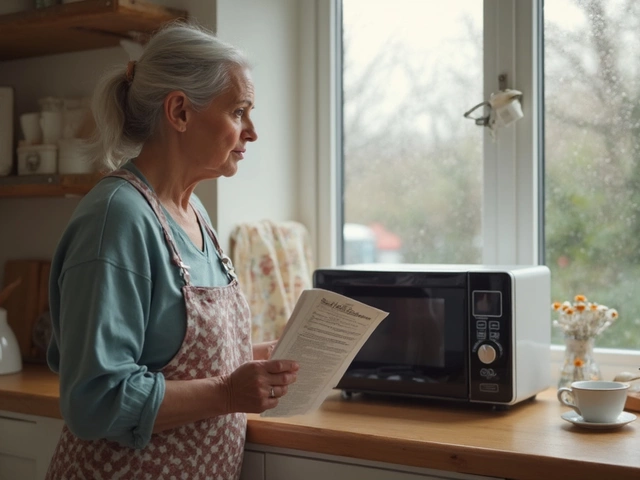
Wondering if you can fix your microwave at home instead of tossing it and buying a new one? This article breaks down common microwave problems, what you can safely handle, and when it's better to call a pro. Get practical tips that actually make a difference, plus real talk about microwave safety. Save yourself time, money, and stress with easy-to-follow advice. Tackling your appliance repair just got a whole lot simpler.
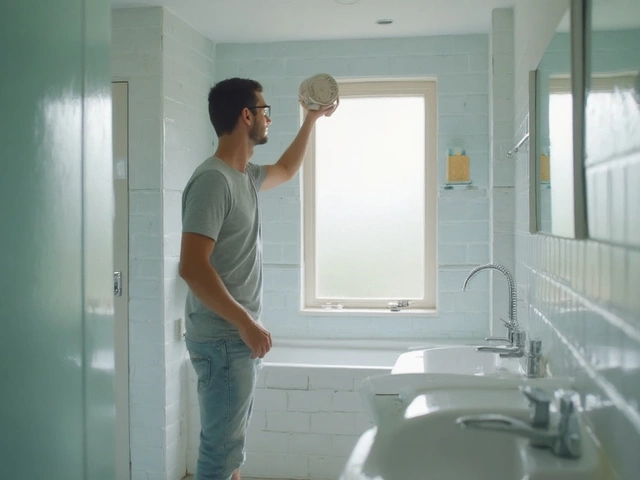
Nobody wants to deal with a stuffy bathroom or smoky kitchen, but if your extractor fan isn’t working, that’s exactly what you’ll get. This article shows you how to check if your extractor fan is doing its job or just taking up space. From simple power checks to quick airflow tests, you’ll learn hands-on methods anyone can use—no tech wizardry needed. Expect practical tips, a couple of helpful tricks, and signs that tell you when it’s time to call an expert. Don’t let stale air hang around: let’s figure out what your fan is up to.