

If your heating stops, your boiler makes odd noises, or you smell gas, a gas engineer is the person to call. These technicians install, repair and service anything that runs on gas – from boilers and radiators to cookers and hot water tanks. They know the safety rules, have the right tools, and can get your home warm again without a long wait.
Most gas engineers are registered with a gas safety scheme, which means they’ve passed a test and are legally allowed to work on gas appliances. In the UK, look for a Gas Safe registration number on their badge or website. That number lets you check they’re legit and up to date with the latest regulations.
Not every heating hiccup needs a pro, but there are clear signs that you should pick up the phone. If the boiler won’t fire, leaks water, or shows an error code, call a gas engineer right away. A persistent smell of gas, even a faint one, is an emergency – turn off the gas supply, open windows, and call a registered engineer immediately.
Other common reasons include noisy radiators, uneven heating, and a hot water tank that won’t heat. Even if the problem seems minor, it’s worth getting a qualified engineer to check it. A small fault can turn into a big, costly repair if ignored.
Start by checking the Gas Safe register. A number that’s easy to verify gives you peace of mind. Next, ask for a written quote before any work starts. This helps avoid surprise costs and shows the engineer is transparent.
It also helps to read recent reviews or ask neighbours for recommendations. A local engineer who knows the area’s typical plumbing and heating setups can often diagnose problems faster.
Don’t forget to ask about warranties. Reputable engineers will stand behind their work and offer a guarantee on parts and labour. If they’re hesitant, it’s a red flag.
Finally, consider the price. While cheap services can be tempting, the cheapest option isn’t always the best. A qualified engineer who charges a fair rate usually saves you money in the long run by fixing the issue properly the first time.
Keeping your heating system in good shape also means scheduling regular annual servicing. A yearly check catches wear and tear before it becomes a breakdown, keeps the boiler efficient, and maintains your safety certificate.
In short, a gas engineer is your go‑to for anything gas‑related in the home. Make sure they’re registered, ask for clear quotes, read reviews and don’t skip the yearly service. With the right pro, your boiler will stay reliable, your home will stay warm, and you’ll avoid nasty surprises.
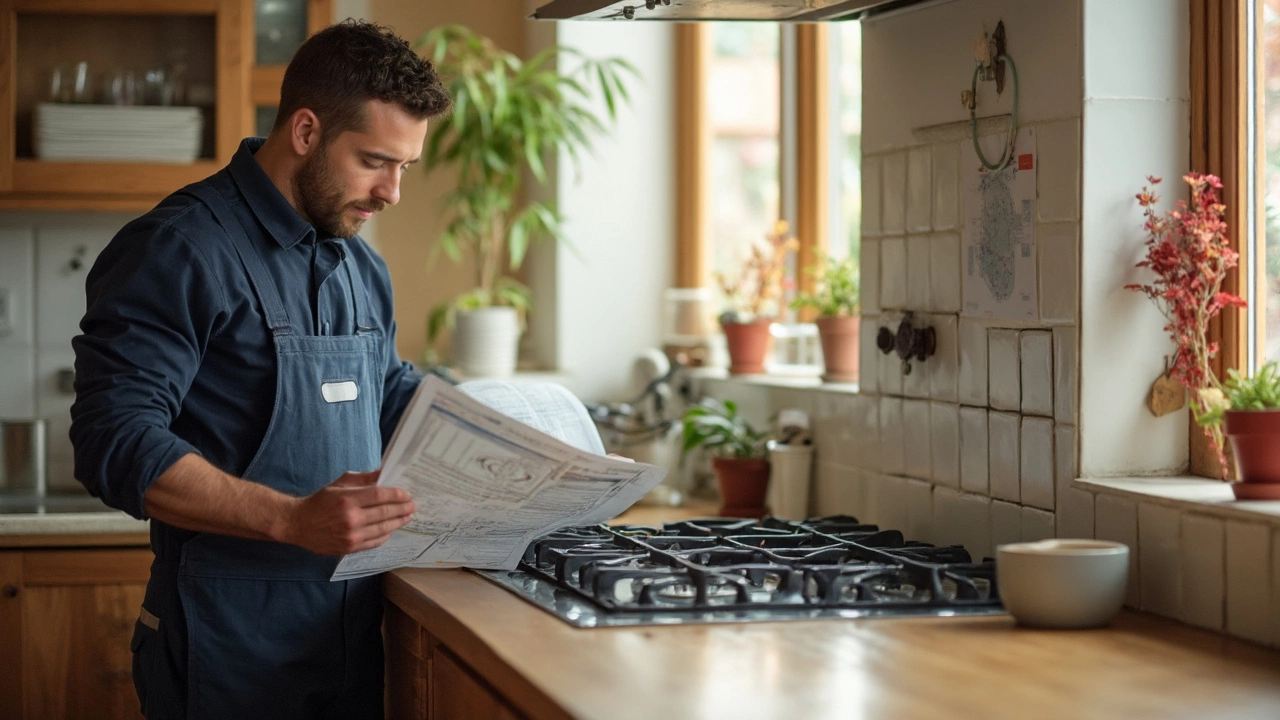
Thinking about swapping out your gas hob? Safety rules in the UK are strict, and there’s more to it than just unscrewing pipes. This article looks at whether you really need a gas engineer for the job, what could go wrong if you cut corners, how to pick the right pro, and little-known facts about what happens during an installation. It’s a no-nonsense breakdown for anyone facing a hob swap, putting your safety at the front of the queue.

Wondering if you can fix your microwave at home instead of tossing it and buying a new one? This article breaks down common microwave problems, what you can safely handle, and when it's better to call a pro. Get practical tips that actually make a difference, plus real talk about microwave safety. Save yourself time, money, and stress with easy-to-follow advice. Tackling your appliance repair just got a whole lot simpler.

Deciding between repairing and replacing a freezer can be tricky. This article guides you through evaluating repair costs, expected lifespan, and energy efficiency before making a decision. It provides practical advice to help you make an economical choice, whether to fix or replace your freezer. Learn important factors to consider, like repair frequency and environmental impact, to ensure you spend wisely.

Discover how long extractor fans last, signs of failure, and when to repair vs replace. Expert tips for extending lifespan and maintaining kitchen/bathroom ventilation.

Deciding whether to repair or replace a laptop can be challenging. This guide explores the costs, benefits, and considerations involved in repairing a laptop. Learn when it's worth diving into a repair and when it's best to shop for a new device, along with tips on DIY repairs and choosing a reliable repair service.

Discover how to ensure your water heater is in proper working condition with this detailed guide. Learn to identify signs of malfunction, perform essential maintenance tasks, and understand common issues that may arise. Whether it's electric or gas, having a reliable water heater is crucial for every home. Keep your heater running smoothly with practical and safety-focused advice.