

Got a gas boiler that’s humming weirdly or a cooker that won’t light? You’re not alone. Gas appliances are a daily comfort, but they need a bit of love and a lot of caution. Below you’ll find the basics that help you spot problems early, do safe quick fixes, and decide when it’s time to hand the job over to a qualified engineer.
Before you start any troubleshooting, turn off the gas supply at the valve and make sure the area is well‑ventilated. Look for any smells of gas – if you smell it, open windows, shut the valve and call a Gas Safe engineer right away. Next, check the pilot light (if your appliance has one). It should be steady and blue; a yellow flame or flickering means something’s off. Finally, inspect the hoses and connections for cracks, wear or rust. A small leak can cause big trouble, so replace any damaged parts immediately.
Boiler won’t fire up. Often the cause is a blocked pressure sensor, a tripped thermostat, or low water pressure. Reset the boiler according to the manual, then check the pressure gauge – it should read between 1 and 1.5 bar when the system is cold. If it’s low, top it up using the fill‑up loop and bleed any air from radiators.
Gas cooker won’t ignite. First, clean the burner holes; food debris can block the gas flow. Next, make sure the spark electrode is clean and correctly positioned. If the spark is weak or absent, a simple electrode replacement usually solves it. Remember to turn the knob to “off” before you start any work.
Gas heater blows cold air. This can be a thermostat issue or a stuck fan. Reset the thermostat and listen for the fan motor – if it’s silent, the motor may need cleaning or replacement. Dust buildup is a common culprit, so give the unit a good vacuum once a year.
These fixes are meant for quick, safe actions. Never attempt to open the gas valve or work on the internal gas line yourself – that’s a job for a professional.
When you’re unsure, call a Gas Safe registered engineer. They have the tools and certification to test for leaks, adjust gas pressures, and replace major components safely. A professional visit can also include a full service, which helps keep your appliance efficient and your energy bills down.
Regular maintenance saves money in the long run. Schedule an annual boiler service, clean cooker burners every few months, and check the venting on water heaters. Keep a simple log of service dates, any odd noises, and the age of each appliance – it helps you track when it might be time for a replacement instead of endless repairs.
In short, a bit of everyday vigilance, a quick check of the flame and pressure, and knowing the limits of DIY can keep your gas appliances running smoothly. When in doubt, don’t gamble with gas – call a qualified pro and keep your home safe and warm.
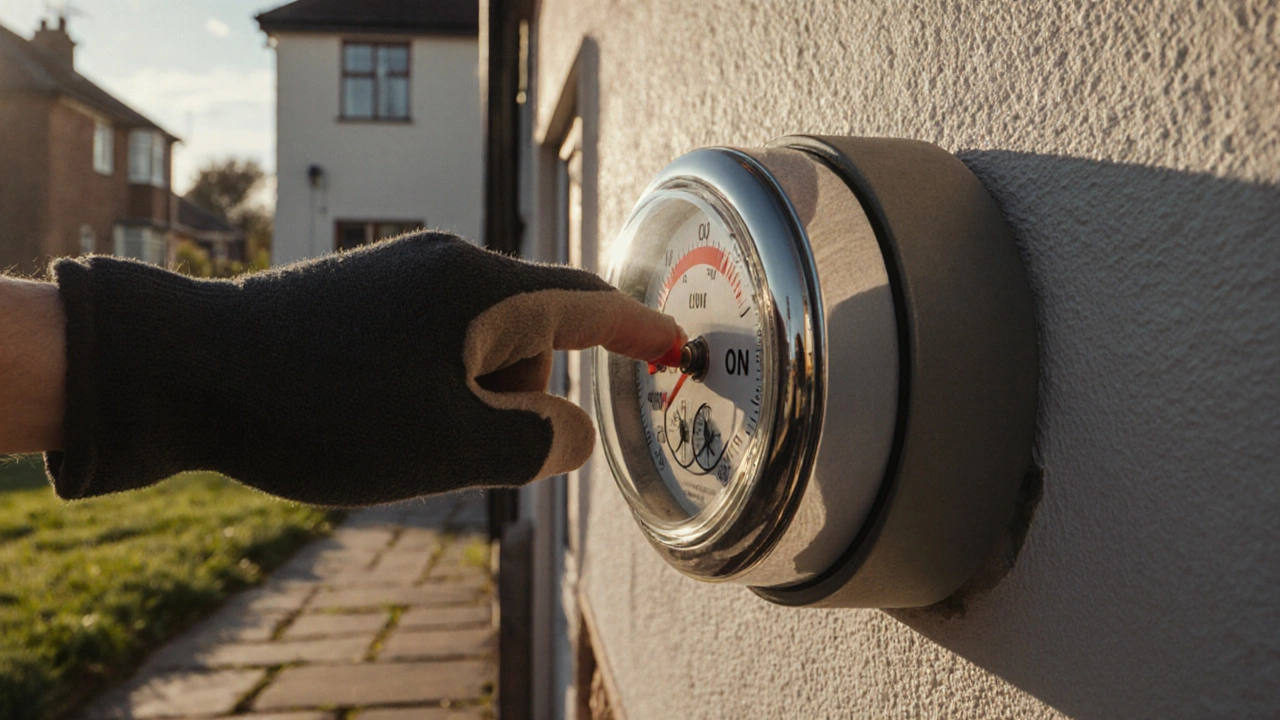
Learn why all your gas appliances might stop working, how to safely troubleshoot common issues, and when to call a Gas Safe engineer.

Thinking about ditching your gas appliances? This article breaks down the real pros and cons of keeping or replacing things like your gas stove, water heater, or furnace. Learn how safety, repair costs, and future-proofing your home play into this decision. There are lots of myths out there and we’ll sort out the facts. You'll also pick up practical tips on making the best choice for your budget and home. Let's cut through the noise and find out what really matters for your gas appliances.

Deciding whether to repair or replace your hot water heater can feel overwhelming. This article explores practical considerations, including the age of the unit, repair costs, and long-term benefits. By understanding essential factors like energy efficiency and potential savings, homeowners can make informed decisions. Discover useful tips and interesting facts to help you choose the best course of action for your specific situation.
Wondering if fixing your 7-year-old washing machine is worth it? This guide helps you weigh the pros and cons. Consider factors like repair costs, common issues, and the appliance’s lifespan. Find out when it makes sense to repair or replace. Get informed tips to make the best decision for your laundry room.
Discover who legally fixes boilers in the UK. Learn why you need a Gas Safe registered engineer, not just a plumber, and understand the qualifications, costs, and safety checks involved in boiler repair.
The most common pressure cooker problems are leaking steam, bad seals, clogged valves, and lid issues. Learn how to diagnose and fix them yourself before replacing your cooker.

Wondering who fixes extractor fans? Find out which trade has the right skills, top repair tips, and practical advice for solving extractor fan issues fast.