

Got a gas boiler making weird noises? Or a kitchen stove that won’t light? You’re not alone. Gas appliances are tough when they act up, but most issues have simple fixes you can try before dialing a pro. Below are the basics – safety checks, quick troubleshooting, and clear signs you need a qualified engineer.
First things first: never ignore safety. Turn off the gas supply at the valve if you smell a strong gas odor or hear a hissing sound. Open windows for ventilation and avoid using any switches or lights that could spark. If the smell persists after you’ve closed the valve, call the gas provider immediately – it’s better to be safe than sorry.
Boiler not heating – Check the thermostat is set higher than the room temperature, make sure the pressure gauge reads between 1 and 1.5 bar, and bleed any trapped air from radiators. If the pilot light keeps going out, the thermocouple may be dirty or worn out; cleaning it with fine sandpaper often restores the flame.
Gas oven won’t ignite – Look at the igniter. A cracked or discoloured igniter usually won’t spark. Swap it with a spare if you have one; otherwise, a quick call to a technician will save you a broken oven.
Stove burners staying off – Make sure the burner caps are seated correctly. Misaligned caps can block gas flow. Clean out any food debris from the ports; a toothbrush works wonders. If the flame is yellow or sputtering, the air‑to‑gas mix is off – that’s a job for a certified engineer.
When you’ve tried these steps and the problem sticks, it’s time to call a professional. Gas work is regulated for a reason, and a Gas Safe registered engineer can safely replace parts, test for leaks, and ensure your appliance complies with current standards.
Regular maintenance can stop most breakdowns. Schedule an annual boiler service, clean oven igniters, and wipe burner ports after each use. Keeping a simple log of service dates helps you spot patterns and plan ahead.
Remember, a well‑maintained gas appliance is not only more reliable but also more efficient, saving you money on energy bills. A bit of DIY care now means fewer surprise call‑outs later.
Got more questions? Whether it’s about a gas grill, a water heater, or a brand‑new installation, start with the safety checklist, try the easy fixes, and then reach out to a qualified professional if you’re unsure. Your gas appliances will thank you with steady, safe performance.

Repairing a gas oven might seem daunting, but it's often worth the effort. This article explores when it's practical to repair versus replace, common issues, and cost-effective solutions. Learn helpful tips, find out if it’s a DIY fix, and consider important safety aspects. Discover how to make an informed decision that saves money and hassle.

An electric oven is a kitchen essential that brings culinary magic to life, but sometimes it can start showing signs of wear and malfunction. If you notice uneven cooking, strange noises, or the oven simply won't heat, these could be indicators of a problem needing repair. Knowing the common signs can help you determine if troubleshooting is possible or if it's time to call a professional. From the thermostat issues to faulty heating elements, this guide provides insights into recognizing and addressing potential oven problems.

Most extractor fans can be repaired with simple fixes like cleaning, capacitor replacement, or tightening parts. Learn when DIY works and when to call a pro to avoid costly damage from damp and mold.
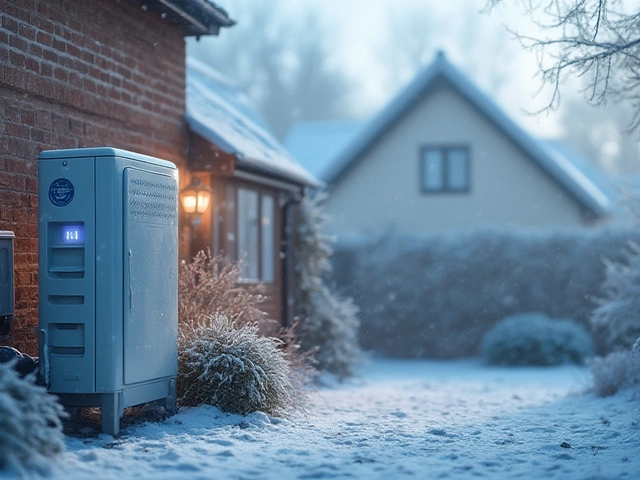
Wondering what temperature makes a heat pump stop working well? Learn the cold limits, key facts, and expert tips for running heat pumps in harsh winters.
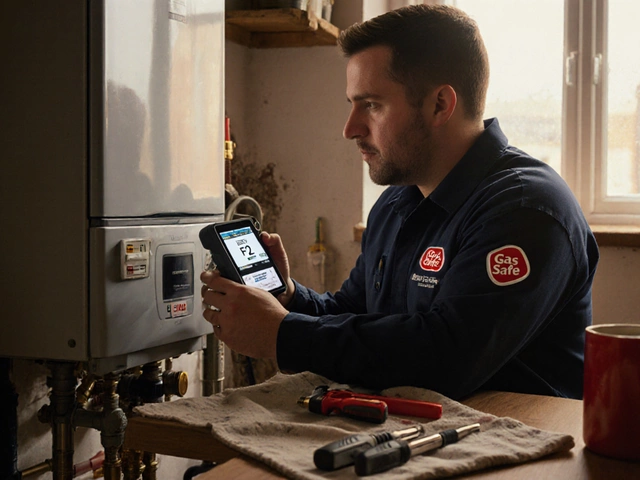
Not all plumbers can fix boilers-only Gas Safe registered engineers can legally work on gas systems. Learn when to call a plumber vs. a heating engineer, how to verify qualifications, and what to expect from a boiler service.
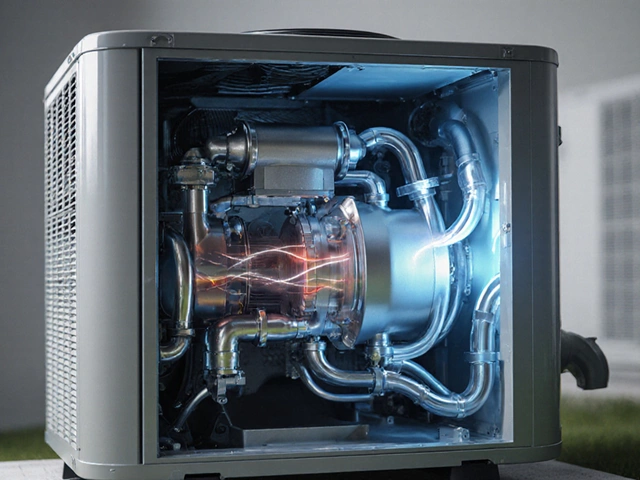
Find out the 2025 price range for heat pump compressors, what factors affect cost, how to get accurate quotes, and whether DIY or professional installation is best.