

Ever opened the fridge and felt a wave of warm air? Most cooling issues come from simple neglect, not broken parts. A few quick habits can stop the problem before it starts and save you a pricey repair.
First, wipe down the interior shelves every month. Spills left to dry attract mold and make the motor work harder. Use a mild soap solution and a soft cloth—no harsh chemicals needed.
Second, check the door seals. Close the door on a piece of paper; if you can pull it out easily, the seal is weak. Replace a faulty gasket before the fridge loses energy and the compressor overheats.
Third, clean the condenser coils. Dust builds up behind or under the fridge, forcing the compressor to run longer. Turn off the appliance, pull it away from the wall, and brush the coils with a vacuum brush or a soft vacuum attachment. Do this every six months.
Fourth, keep the temperature setting right. Most fridges work best at 37‑40°F (3‑4°C) and the freezer at 0°F (‑18°C). Too cold makes the compressor cycle constantly, too warm lets food spoil. Use a simple fridge thermometer to double‑check.
Finally, avoid over‑packing. Air needs room to circulate. If you stack items tightly, the cold won’t reach the back, and the motor has to work overtime.
If the fridge makes a loud buzzing sound, freezes the freezer compartment, or stops cooling altogether while the light stays on, it’s time for a professional. These signs often point to a compressor or coolant issue that needs expert tools.
Also, if you notice water pooling at the bottom or a steady frost build‑up, the defrost timer or drain could be blocked. A qualified technician can diagnose the exact part and replace it safely.
Don’t try to open the sealed system yourself—refrigerant is hazardous and requires a certified engineer. Trust a local repair service, like Bognor Regis Appliance Repair Experts, to handle sealed‑system work legally and efficiently.
Regular maintenance plus quick action when something feels off will keep your fridge humming quietly for years. Stick to these simple steps, and you’ll cut down on energy bills, food waste, and emergency repair calls.

When your fridge stops cooling, it can be a real worry, especially with all that food at risk. Before you call the repairman, there are a few steps you can try yourself to bring your refrigerator back to life. From checking the thermostat settings to cleaning coils and examining door seals, you might find that a simple DIY fix does wonders. Understanding how these appliances work can also help prevent future hassles. This guide will walk you through the essential tips and tricks to get your fridge cooling again.

Ever wondered who foots the bill for boiler service in your home? This article delves into the responsibilities of homeowners and landlords when it comes to boiler maintenance. It offers practical tips for navigating service agreements and highlights some surprising facts about cost-savings that effective maintenance can offer. Discover insights and advice on ensuring your boiler runs smoothly without burning a hole in your wallet.

Extractor fans play a pivotal role in maintaining air quality in kitchens and bathrooms by expelling moisture, odors, and smoke. If your extractor fan suddenly stops working, it can lead to persistent humidity or unpleasant smells. This guide provides practical steps for diagnosing and fixing common issues that can cause an extractor fan to malfunction. From checking power supply and fuses to cleaning and replacing parts, understanding the intricacies can save you time and money. By following these steps, you can restore your extractor fan’s functionality and maintain a comfortable home environment.

Deciding whether to fix or replace your oven in 2025? Learn real repair costs, when replacement saves money, safety risks of old ovens, and how to make the smart choice without overpaying.

Trying to figure out if you should repair your electric stove or just buy a new one? This article breaks down the real costs, common repairs, and the value of fixing versus replacing. Find out what issues are usually fixable, what repairs make sense, and when to let go. You'll also get practical tips for simple DIY fixes and signs you need a pro. Make a smart choice for your kitchen and your wallet.
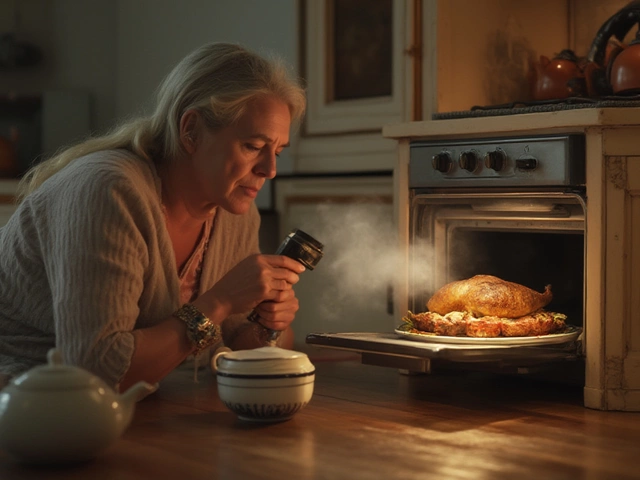
Find out how to tell if your oven’s heating element or thermostat is busted with simple tests, warning signs, and expert tips you can trust.