

If you’ve ever wondered how many years your fridge will stay reliable, you’re not alone. Most fridges in the UK last between eight and twelve years, but that’s a rough average. Your fridge’s actual life depends on how you use it, how well you look after it, and the make and model you chose.
First up, usage patterns matter a lot. A fridge that’s constantly opened and closed, or one that’s over‑filled, works harder and ages faster. Keep the door shut as much as possible and avoid stacking heavy items that block airflow.
Second, maintenance is huge. Dirty condenser coils, worn door gaskets, and a set temperature that’s too low all force the compressor to run overtime. A quick wipe‑down of the coils every six months and a check of the seals can shave years off wear and tear.
Third, the environment plays a role. If your kitchen gets hot or the fridge sits near a heat source, the unit has to fight extra heat. Try to give it a little breathing space and keep the surrounding area clear.
Finally, brand and model quality matter. Some manufacturers design machines for 15‑year lives, while budget models may start showing trouble after just five years. Look for reviews that mention longevity before you buy.
Now for the easy things you can do right now:
Spotting early signs of trouble can save you a pricey repair. Look out for:
If you notice any of these, give the coils a quick clean and double‑check the seal. Often the issue resolves itself. If the problem persists, it’s time to call a professional.
When deciding between repair and replacement, use a simple rule of thumb: if the fridge is over ten years old and the repair costs more than half the price of a new unit, replace it. New fridges are more energy‑efficient, which can lower your bills enough to offset the upfront cost.
At Bognor Regis Appliance Repair Experts we’ve seen countless fridges rescued with a coil clean or a fresh seal. But we also know when a unit has reached the end of its useful life. A quick call can get you a clear quote and help you decide the best move.
Bottom line: regular cleaning, proper temperature settings, and watching for early warning signs will keep your fridge humming for years. When the time comes for a fix, a trusted local repair service can often give your machine a second wind, saving you money and waste.

Thinking about fixing your 7 year old refrigerator? This article breaks down the real costs, reliability, and what you should watch for before you pay for repairs. You’ll find clear tips on when it’s smarter to repair or replace, how much you’ll likely spend, and some key things most people forget to check. Get the real scoop from an expert so you don’t waste time or money.

Fixing a laptop can often be a costly affair, with some components surprisingly pricey to replace. This article explores which part of a laptop typically incurs the highest repair costs and why. We dive into details like the high expense of screen and motherboard repairs, offering insights into why these parts hit the wallet hardest. Gain practical advice on maintaining your laptop to avoid these hefty bills in the first place, and discover some curious facts about common laptop repairs.
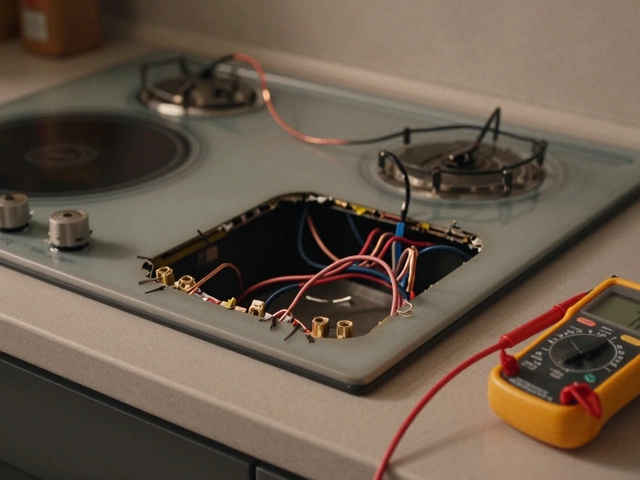
Replacing an electric hob isn't a DIY job. In the UK, it requires a qualified electrician for safety, legal compliance, and insurance reasons. Here's what you need to know before swapping your hob.

Wondering whether plumbers can fix your boiler? This article breaks down exactly what plumbers do, where their work overlaps with heating engineers, and when you need a specialist. You’ll get practical advice for dealing with boiler issues, tips for finding the right tradesperson, and a look at why gas safety credentials matter so much. There’s even a checklist for what to ask before hiring someone for your boiler job. Skip the confusion and figure out who to call, fast.

When your dishwasher starts acting up, a quick, accurate diagnosis can save you from bigger headaches and pricey repairs. This article walks through simple methods to spot dishwasher problems, from weird noises to stubborn leaks. You'll learn what to check first, how to tell if it's a DIY fix, and when it's time to call in a pro. Handy tips and real-life examples make this guide easy to follow, even if you're not a born handyman. Don't let a small hiccup become a kitchen disaster — know what to look for and act fast.

Watch for rusty water, leaks, strange noises, or no hot water-these are clear signs your water heater is failing. Age, higher bills, and bad smells mean it’s time to replace it before it breaks down.