

Got a freezer that’s not keeping things cold? You’re not alone. Most problems are simple to spot and can be solved without calling a technician. This guide walks you through the most common freezer hiccups, gives you clear steps to fix them, and tells you when it’s time to get professional help.
Before you start pulling things apart, make sure the freezer is actually plugged in and the outlet works. A tripped circuit breaker or a loose plug can be the sneaky culprit. Next, look at the temperature setting. Many people set it too warm by mistake – aim for -18°C (0°F) for optimal performance. If the door seal looks worn or isn’t closing tightly, warm air can seep in and raise the temperature.
Clean the condenser coils if they’re dusty. Dust acts like an insulator and forces the compressor to work harder, which can lead to overheating and reduced cooling. Unplug the freezer, pull it away from the wall, and use a vacuum brush or a soft brush to remove the grime. This quick clean often restores a sluggish freezer to full strength.
Freezer not cooling at all: If the temperature stays above -10°C, the compressor might be failing, or the start relay could be stuck. Listen for a humming sound when the freezer runs – no sound usually means the compressor isn’t turning on. You can test the start relay with a multimeter; replace it if it’s faulty.
Ice buildup or frost: Excess frost often points to a defrost system issue. Check the defrost timer, heater, and thermostat. If the timer isn’t advancing, the freezer won’t enter the defrost cycle and ice will keep piling up. A quick timer reset (usually done by turning the unit off for a few minutes) can solve the problem.
Water pooling at the bottom: This usually means the drain tube is clogged. Locate the drain hole inside the freezer, usually at the back, and clear it with a pipe cleaner or warm water. A clear drain lets the defrost water flow out as intended, stopping the pool from forming.
Strange noises: Clicking, buzzing, or rattling can be normal as the compressor cycles, but loud clanking may indicate a loose fan or a worn motor bearing. Unplug the freezer, remove the back panel, and check that the fan blades spin freely. Tighten any loose screws or replace the fan if it’s damaged.
If none of these steps help, it’s likely a sealed‑system issue like a refrigerant leak. That kind of repair needs a certified technician and special tools, so it’s best to call a pro at that point.
Keeping your freezer in top shape also means regular maintenance: clean the coils every six months, check door seals yearly, and avoid overloading the unit so air can circulate. A few minutes of preventive care can save you big headaches later.
Remember, most freezer problems are easy fixes you can do yourself. When in doubt, safety comes first – always unplug the appliance before working on it. With the right steps, you’ll have your freezer running cold again in no time.

Exploring the value of repairing a freezer involves assessing various factors, such as the cost of repairs, the appliance's age, and the efficiency improvements of newer models. Understanding common freezer problems can help homeowners decide whether a repair is worthwhile. The decision should account for both economic and environmental perspectives, guiding when to repair or replace.
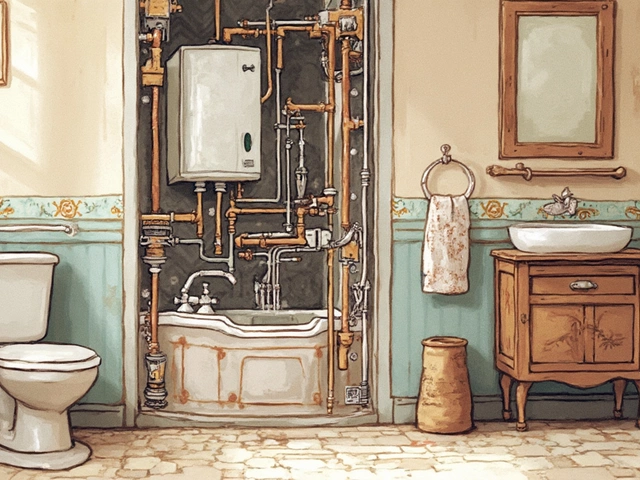
A failing water heater element can leave you in the chilly lurch just when you need a warm shower. Learn how to diagnose the problem with simple, straightforward steps. This guide covers common symptoms, testing methods, and practical tips for handling a faulty element. We'll explain what's involved and offer insights for DIY repair or knowing when to call a professional.

Is your heat pump running but not cooling your home? Learn the real causes, expert troubleshooting tips, and practical solutions to get your comfort back.
Learn fast DIY steps to diagnose and fix a non‑working water heater, plus safety tips, maintenance advice, and when to call a professional.
Thinking about whether to repair an 8-year-old oven? This article digs into the real costs and benefits, from repair bills to how long ovens actually last. You'll get tips on diagnosing simple issues yourself, signs to look for before calling a pro, and how energy efficiency compares between old and new models. See how warranties, brand reputation, and parts availability impact the final call. Get advice that’s practical, straight-up, and doesn’t waste your time.
Ever wondered how long your trusty range oven will last? On average, a well-maintained range oven can serve you for about 10 to 15 years. Routine cleaning and minor repairs can help extend its lifespan. Knowing when to repair or replace your oven is crucial for efficiency and safety. Read on for practical tips to make sure your oven lasts as long as possible.