

If you opened your freezer today and felt warm air instead of a frosty chill, you’re not alone. A dead freezer can scramble meal plans, waste money, and stress anyone who relies on frozen meals. The good news? Most problems have a quick fix you can try before dialing a repair service.
First, pinpoint why the frost isn’t forming. The usual suspects are:
Knowing which of these is likely in your situation saves time and prevents unnecessary repairs.
Grab a flashlight and walk through these steps:
If after those checks the freezer still runs warm, it’s time to consider professional help.
When you call a repair service, be ready with the model number, a brief description of the steps you’ve taken, and any odd noises you heard. That info helps the technician arrive with the right parts and speeds up the fix.
Going forward, a few habits keep your freezer humming:
Following these tips reduces the chance of another surprise shutdown and extends your freezer’s life.
So, the next time your freezer stops working, start with the power check, then inspect the seal, coils, and fan. If those basics don’t bring back the chill, call a trusted local repair expert – like Bognor Regis Appliance Repair Experts – to get your frozen goods saved and your kitchen back on track.
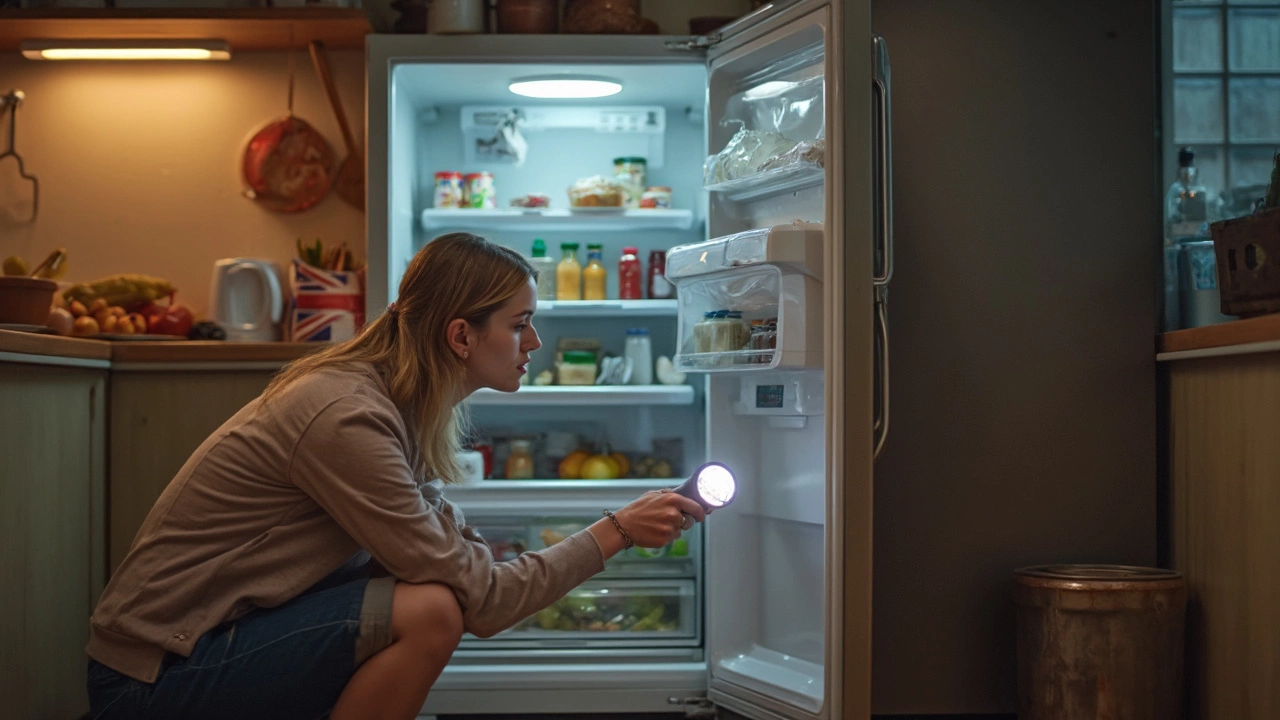
Why would a freezer suddenly stop working? This article uncovers the most common reasons, from electrical hiccups to sneaky broken parts. Get clear tips to troubleshoot on your own before calling in the pros. You'll also find surprising facts—like a forgotten coin trick to check freezing power. Whether it's food loss or a mystery beep, you'll get straight answers and a path to a cold fix.
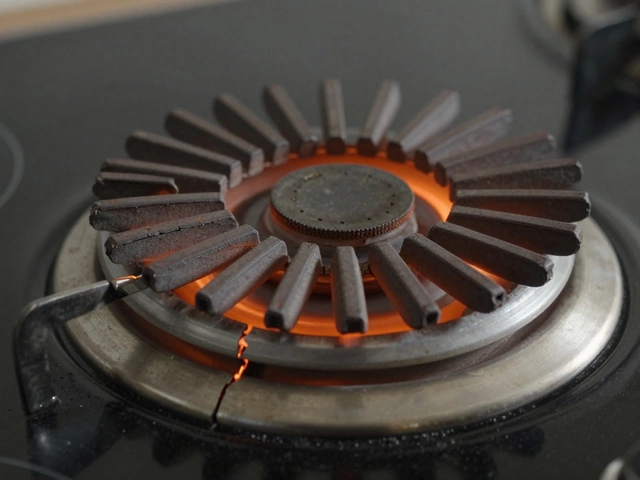
Learn how to tell if your electric stove element is bad with simple visual checks, multimeter tests, and common signs of failure. Save money by diagnosing and replacing it yourself.
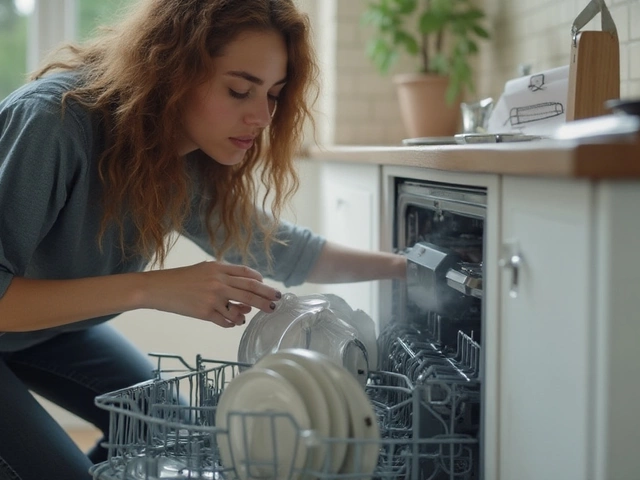
Determining whether your dishwasher requires repair or replacement can save you both time and money. This article guides you through recognizing common issues, assessing the efficiency of your current dishwasher, and deciding on repair versus replacement. Gain insights into the lifespan of dishwashers and learn handy tips for maintaining them. Make well-informed decisions about your kitchen appliances for a hassle-free experience.

Considering replacing your electric oven on your own? Before you jump into action, it's crucial to understand the steps involved and the potential challenges you might face. From ensuring safety precautions to understanding the basic wiring, this article delves into what you need to know. We'll discuss not only the tools and skills required but also when it's better to call in a professional. By the end, you'll have a clearer picture of whether you should tackle this task yourself or seek expert help.

Discover what causes heat pumps to break down, the warning signs, and how to keep yours running smoothly with practical tips for any homeowner.
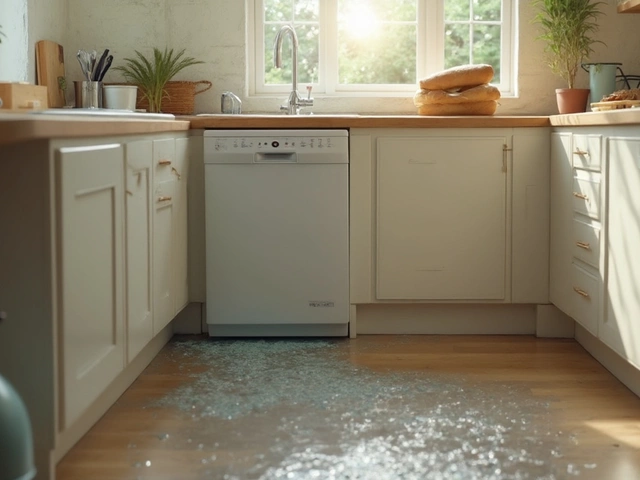
Dishwashers are a staple in modern kitchens, but they often face common issues. So, what's the most frequent problem users encounter? This article dives into typical faults like drainage issues and proposes practical solutions. Understand why your dishwasher might not clean effectively and learn simple DIY fixes to keep it in top shape. By addressing these issues, you'll ensure your dishwasher runs smoothly for years to come.